

























































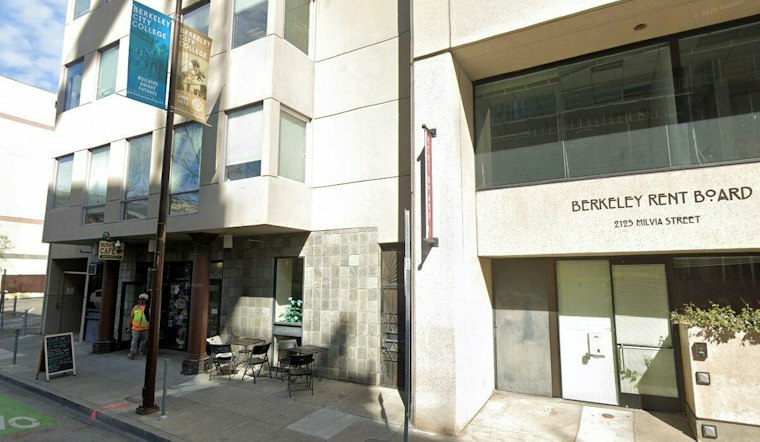
Berkeley renters facing sudden, steep rent increases could get new protection under Measure X, a ballot proposal that would cap annual rent hikes at 10% for fully covered units and expand tenant organizing rights. The measure goes before voters in the city's Nov. 3 general election, and it has drawn competing campaigns from tenant groups and property-owner associations ahead of the vote.
Measure X would amend Berkeley's Rent Stabilization and Eviction for Good Cause Ordinance, a law voters first passed in 1980 that set up rental-unit registration rules, regulated rent increases, and required good cause before a landlord could terminate a tenancy, according to California Choices. The Berkeley City Council placed Measure X on the ballot, and the measure needs only a simple majority of votes cast to pass, per the same source. As SFGATE reports, the measure would amend the ordinance to cap rental increases at 10% within a one-year period.
Why Backers Say The Cap Is Needed
At the center of the proposal is a mechanism known as banking, which lets landlords who don't raise rents to the full allowable amount each year save up that unused increase and impose it later, in one lump sum. According to the San Francisco Chronicle, tenant advocates say that practice has led to some rent hikes of 50% or more in a single year. Measure X's impartial analysis states the 10% cap, which would include any banked increases, responds directly to landlords banking rent increases and later imposing increases tenants cannot adapt to, per SFGATE's reporting.
Berkeley Rent Board chair Soli Alpert, a tenant advocate, told the Chronicle that the scale of these banked increases can blindside renters. “This can create a shock for a tenant and lead to displacement,” Alpert said. A state law enacted in 2020 already limits rent increases for most types of units to 5% plus inflation, generally capped at 10%, the Chronicle notes, meaning Berkeley's local cap would mirror the statewide ceiling for units covered by the city ordinance.
Expanded Tenant Organizing And Eviction Changes
Beyond the rent cap, Measure X would lower the threshold for forming a tenants association from properties with 10 or more rental units down to five, according to the East Bay Times. SFGATE reports the measure would also preserve a tenant association's authority even if the property's management company changes, and property owners could face a rent-reduction petition if they fail to confer in good faith with a tenant association.
The measure would also tighten eviction standards. Landlords would need to show “substantial actual damage” for lease-violation evictions, and a minimum back-rent threshold equal to one month's rent would have to be met before an eviction notice could be filed, per the East Bay Times. Measure X would further make certain rent-control and just-cause eviction exemptions apply only if a unit was already exempt when the current tenancy began, according to California Choices.
Fee Waivers And Administrative Changes
Measure X would authorize the Rent Stabilization Board to waive or reduce fees for government-subsidized rental units owned, leased or controlled by nonprofit organizations, SFGATE reports. Supporters say this would ease financial burdens on nonprofit affordable-housing providers while keeping existing legal protections intact. The measure also proposes administrative changes meant to streamline bill-payment and registration processes, per the same reporting, and its fiscal-impact conclusion is that it is not expected to have a fiscal impact on the city.
Berkeley has a well-documented affordability problem underlying the debate: in 2019, 53% of the city's renter households were considered rent burdened, meaning they paid more than 30% of household income toward rent, according to California Choices. That backdrop has shaped both sides of the campaign, even as California's Costa-Hawkins Rental Housing Act, enacted by the state Legislature in 1995, continues to limit how far local governments can go in controlling rents on individual units.
Who's Lined Up For And Against
Measure X has drawn a lengthy list of endorsements, including the Berkeley Tenants Union, East Bay Housing Organizations, Resources for Community Development, Satellite Affordable Housing Associates and the Bay Area Community Land Trust, according to SFGATE's reporting. Berkeley Mayor Adena Ishii, Councilmember Cecilia Lunaparra and Rent Board chair Soli Alpert co-authored the official ballot argument in favor, arguing the measure was crafted through a collaborative process between the Rent Board, the City Council, tenant advocates, nonprofit affordable housing providers and small landlords, per California Choices.
Opposition is organized too. Jeffrey Neidleman, president of the Bridge Association of Realtors, and Krista Gulbransen, executive director of the Berkeley Property Owners Association, co-authored the argument against Measure X. Opponents contend the measure adds costs, complexity and legal risk but does little to help tenants who are struggling to pay the rent, according to California Choices. SFGATE reports that opponents also argue the measure's more restrictive rules could make renting riskier for small property owners, and that waiving Rent Board fees for nonprofit landlords does not lower any tenant's rent while shifting the burden of higher costs onto tenants in for-profit housing.
Berkeley's official ballot-measures page identifies the proposal simply as amendments to the Rent Stabilization Ordinance and confirms it needs majority approval to take effect, according to the City of Berkeley. Voters will have the final say when ballots are counted after the Nov. 3 election.





