

























































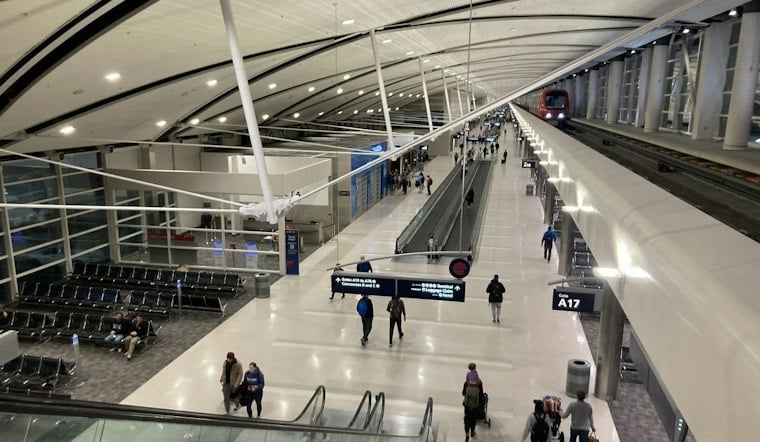
A traveler passing through Detroit Metropolitan Airport on a trip from Cameroon to Illinois was carrying fresh bark for medicinal purposes; the material contained insects never before recorded at any U.S. port of entry. Local Customs and Border Protection and U.S. Department of Agriculture specialists identified the bugs in February, and the USDA confirmed on August 7, 2026 that they belonged to the genus Aspidoproctus, a group of scale insects native to Africa.
The discovery, detailed by WXYZ Channel 7, marks the first time an Aspidoproctus species has ever been encountered at a U.S. port of entry. The insects were found directly feeding on the fresh pine bark tucked into the traveler's baggage, according to U.S. Customs and Border Protection. The specimens measured about 5 millimeters long, were dark in color, and were covered in waxy, light-colored protrusions — a telltale look for the group, per the same account.
A Genus Known for Giants
While these particular bugs were small, the Aspidoproctus genus is no ordinary scale-insect family. Adult females of certain species within the group are among the largest scale insects in the world, growing up to nearly 1.5 inches long, CBP notes. The African genus as a whole includes some of the world's largest species, a distinction that helps explain why federal entomologists took the find so seriously.
Female scale insects in this genus are capable of laying more than 5,000 eggs, and their microscopic nymphs can disperse easily on wind currents, allowing populations to rapidly infest surrounding host plants if left unchecked, per CBP. Other sap-sucking insects in this broader category feed on a wide variety of shrubs and trees.
Why Michigan's Forests Are at Stake
Michigan's forest products industry generates more than $26.5 billion in total economic output annually and directly supports over 40,000 jobs statewide, according to data from the Michigan Department of Natural Resources. Michigan's forests are concentrated in the Upper Peninsula and northern Lower Peninsula.
Fadia Pastilong said the first-in-nation interception is significant because pests like these can threaten America's natural resources and economic sectors, and added that agriculture specialists are on the frontline of protecting Michigan's vital lumber industry. Marty C. Raybon said the encounter provided an opportunity to educate travelers about the dangers exotic plant matter poses to U.S. agriculture interests, and that it showcased agriculture specialists' diligence in protecting the homeland.
What Happened to the Traveler
CBP and USDA specialists seized both the insects and the bark, and the Cameroon citizen was advised of the applicable regulations before being released without incident. Under federal plant quarantine rules, travelers entering the United States must declare all agricultural products, wood, seeds, and fresh plant material, which are subject to confiscation and destruction if found harboring non-native pests.
Detroit's Growing List of Firsts
This is the second first-in-the-nation agricultural pest interception announced at Detroit Metropolitan Airport in September 2026 alone. It follows a moth never before recorded at a U.S. port of entry, a non-native straw crest moth discovered inside luggage arriving from Ghana. Detroit's agriculture specialists have also intercepted remains of the highly invasive khapra beetle in 2025 and a rare Pyralidae moth in 2022 that had not been recorded anywhere in the world since 1912.
The cluster of discoveries underscores the airport's role as a frontline hub in national biosecurity efforts. Nationwide, CBP agriculture specialists intercept more than 100,000 plant and animal pests in a fiscal year and interdicted roughly 1.7 million prohibited agricultural items in fiscal year 2025.





