

























































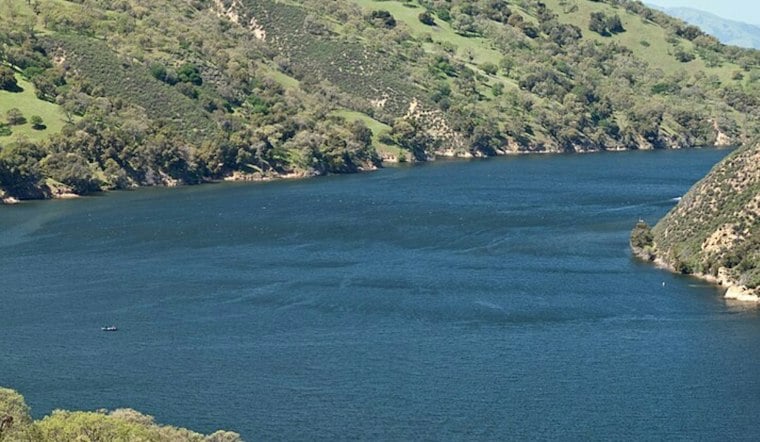
Golden mussels have been detected at Lake Del Valle in Del Valle Regional Park southeast of Livermore, prompting the East Bay Regional Park District to impose a 30-day quarantine on boats launching there before they can be used at any other district-managed waterbody. The invasive species, native to coastal Asia and parts of South America, can thrive in water with lower calcium levels than previously invasive mussels require, raising fresh alarm about local water sources and ecosystems.
The discovery, first reported by CBS News, makes Lake Del Valle only the second East Bay park district waterbody, after Contra Loma Reservoir, where golden mussels have turned up. Contra Loma boaters are now subject to the same 30-day quarantine rules just imposed at Lake Del Valle, according to the outlet's reporting. Boats that launch exclusively at Lake Del Valle and return with an intact Del Valle boat band are exempt from the new quarantine, but any craft lacking a park district band faces inspection for golden, quagga, and zebra mussels before it can launch.
The stakes reach well beyond recreational boating. Lake Del Valle is connected to the South Bay Aqueduct, according to Zone 7 Water Agency. That same reservoir serves as a key raw-water storage basin for the agency, which supplies drinking water to about 174,000 customers, mostly through retailers serving Livermore, Pleasanton, and Dublin San Ramon Services District, along with irrigation for 3,500 acres of Tri-Valley vineyards.
How the Mussels Got Here
State wildlife officials believe the mussels were introduced by a ship traveling from an international port, per the California Department of Fish and Wildlife, as cited in the CBS News report. Golden mussels were first detected in North America at the Port of Stockton in 2024, according to the California Department of Fish and Wildlife, as cited in the CBS News report.
Since then, the species has spread rapidly through Northern California's waterways. Golden mussels were detected at Contra Loma Reservoir in Contra Costa County, according to the California Department of Fish and Wildlife. By June 25, 2026, state wildlife officials had detected the mussels in Washington Lake near the Port of West Sacramento — the northernmost detection yet in the state.
Why Golden Mussels Are Harder to Stop
Unlike quagga or zebra mussels, golden mussels can survive in brackish water and thrive at far lower calcium concentrations, according to the California Department of Water Resources — a trait that has allowed them to colonize Northern California lakes once considered too inhospitable for shellfish invaders. The mussels reproduce rapidly and can clog narrow water pipelines and treatment facilities, while their eradication is difficult.
Golden mussel proliferation has already led to the closure of California reservoirs elsewhere in the state, per the CBS News report, and has pushed county supervisors in San Joaquin, Yolo, and Sacramento counties to declare local emergencies, as The Davis Vanguard reported in August.
Statewide Response Ramps Up
California Assemblymember Rhodesia Ransom authored Assembly Bill 2032, the Golden Mussel Response Act. The legislative push reflects a broader recognition that the infestation is no longer confined to the Delta itself but is reaching municipal water storage networks across the region.
The East Bay Regional Park District had already begun tightening its rules before this latest detection. In May 2025, the district introduced color-coded, lake-specific boat bands and ended cross-waterway band acceptance, according to KPIX News CBS Bay Area, as an early effort to halt mussel transmission between regional lakes. Other waterbody-management agencies may impose their own quarantine requirements on top of the district's rules, and boats, kayaks, canoes, sailboats, inflatable craft, and floating boards are all subject to inspection at district-managed sites including Quarry Lakes Regional Recreation Area, Contra Loma Regional Park, Shadow Cliffs Regional Recreation Area, and Lake Chabot Regional Park, in addition to Del Valle Regional Park.
Golden mussels can attach not just to hulls but to ropes, buoys, and aquatic plants entangled on anchors and trailers, and contaminated equipment may help transport them between waterways. The pattern echoes enforcement actions Hoodline has tracked elsewhere in the region, including a mussel-crusted boat stopped at Folsom Lake. Lake Del Valle's addition to that list underscores how far the infestation has traveled from its original Stockton foothold in under two years.





