

























































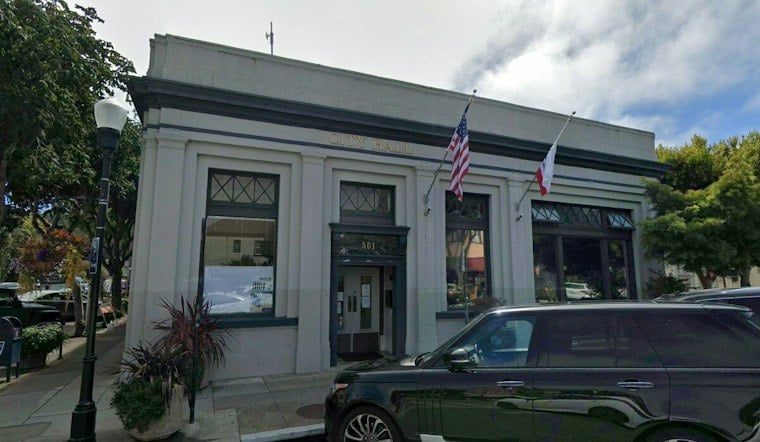
Half Moon Bay's Flock Safety pilot program is set to end and be wound down by October 28, 2026, after the city council decided to let it expire rather than renew the contract. Council members cited privacy concerns surrounding the technology.
According to KRON4, the cameras went online in 2025 and the program will be wound down by October 28, though the council did not take a formal vote on the removal itself. Separately, records reviewed by Who Approved This describe a two-year contract for 16 readers at seven locations, also dating the cameras' launch to fall 2025 — though that same source notes a San Mateo County Civil Grand Jury listing put Half Moon Bay's camera count at 14 as of March 30, 2026, an inconsistency that has not been resolved in published records. The council reportedly scheduled a review of the program for February or early March 2026, but the approval date, contract amount, recorded votes, and precise end date remain unconfirmed, per the same source.
Supporters and Skeptics Split on the Evidence
Law enforcement agencies broadly argue that Flock cameras help investigators develop crucial leads, KRON4's report notes, while debate continues over the system in Half Moon Bay. Other Flock cameras elsewhere in San Mateo County will remain online even as Half Moon Bay's go dark.
That tension over hard evidence echoes findings from the San Mateo County Civil Grand Jury, which reviewed how county police agencies use license plate readers. As reported by the San Mateo Daily Journal, the grand jury didn't find any illegal, out-of-state data-sharing as of December 2025, but it did see sharing with private universities and flagged unauthorized data access and insufficient oversight mechanisms as ongoing concerns. The grand jury also found that most county operators failed to document their in-state data-sharing criteria and controls well enough to demonstrate legal compliance, the paper reported.
Misuse Cases Fuel the Debate Statewide
The KRON4 story also points to cautionary examples elsewhere in the state, adding weight to arguments that the systems need tighter guardrails before communities keep investing in them.
Flock Safety, for its part, says it is updating its recommendation and default retention period for camera data to seven days while introducing what it calls Evidence Mode to preserve data tied to active investigations, according to a Flock Safety company post. The company also says its customers own the data their cameras capture and control who can access or receive it, and notes that more than 1,500 agencies nationwide have published transparency portals detailing their policies, retention periods, sharing partners, and search activity.
A Pattern Across Bay Area Cities
Half Moon Bay isn't the only Bay Area city backing away from Flock. El Cerrito ended its use of the cameras in June 2026, and by that July the city council's earlier decision — a vote to end a three-year, $315,000 agreement — meant crews began pulling down its 40 Flock cameras between July 30 and Aug. 18, according to the Mercury News. The decision illustrates the tradeoff cities are weighing between investigative speed and privacy oversight.
Not everyone in law enforcement is convinced removal is the right call. El Cerrito's decision to remove the cameras came amid broader debate over their use. Mountain View officials, meanwhile, voted unanimously in February 2026 to end their use of the system entirely, while Richmond's police chief disabled more than 150 Flock cameras in October 2025 over privacy concerns before the city council voted in March 2026 to restore them, per the same Mercury News account.
Neighboring Cities Face Their Own Reckonings
Redwood City has said it will not automatically renew its Flock Safety contract, according to the San Mateo Daily Journal, which reported that residents across multiple Bay Area communities have raised concerns over privacy, misuse, and data sharing tied to the cameras. In Pacifica, which currently operates 10 Flock cameras, nearly a dozen public speakers argued against renewing the city's contract at an Aug. 24 council meeting, as reported by Coastside News, with that contract nearing automatic renewal.
Back in Half Moon Bay, KRON4's reporting described council concerns about the company, privacy and public trust. With the pilot set to lapse in late October, the city joins a growing list of Bay Area jurisdictions recalibrating how much surveillance technology they're willing to keep running without clearer answers on oversight and data use.





