

























































Jaxson DeBoer was a 16-year-old sophomore at Homewood-Flossmoor High School when a heart murmur turned into a diagnosis that upended his life: pediatric hypertrophic cardiomyopathy. What started as unexplained fatigue during activity, when his heart rate climbed, has become twice-weekly cardiac rehabilitation, a daily beta blocker, and a $300 out-of-pocket bill every time he goes in for treatment.
DeBoer’s case, and the community response it has sparked, was detailed in a report from the Chicago Tribune. According to that reporting, DeBoer was referred to a pediatric cardiomyopathy specialist after the murmur was discovered, and he underwent a routine appointment, tests and a cardiologist review earlier this month. Because of his diagnosis, he could not join the Homewood-Flossmoor water polo team, which he had considered joining because he was a swimmer. He now takes part in adaptive physical education instead, with extra time built in to walk between school buildings.
A Costly Routine of Monitoring and Rehab
Twice a week, DeBoer heads to rehabilitation, where each visit costs his family $300 out of pocket even though insurance covers half of his overall medical costs. That's because, per the report, his insurance company classifies the rehab itself as precautionary rather than follow-up to a procedure or surgery. To stay active safely, he uses a treadmill and a smartwatch during light activity, tracking both his resting heart rate and his heart rate during cardio, and the family joined the Homewood-Flossmoor Racquet Club to support that routine.
Outside the medical routine, DeBoer keeps busy with crafting, video games and broadcasting work at Homewood-Flossmoor. He's built a Venom costume and a Ben 10 costume by hand and is currently working on an Iron Man suit, the report notes. He plans to attend the benefit organized in his name and said, according to the Tribune, that the fundraiser can raise awareness and support for the pediatric cardiomyopathy community.
Music, Storytelling and a Family Cause
His mother, Patti DeBoer, is a musician who performs with the group Los Darlins and has worked as a teacher for 26 years at Willow Elementary School in Homewood. She told the Tribune that community support for the family has included donations and messages, and that the benefit is intended to create awareness. She has become an advocate for children diagnosed with hypertrophic cardiomyopathy since her son's diagnosis.
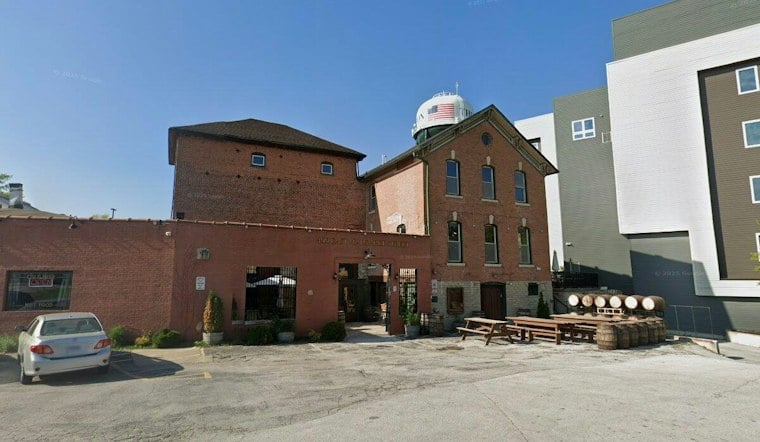
The DeBoer family chose to support the Children's Cardiomyopathy Foundation after a doctor's recommendation, and the benefit is scheduled for October 4 at 3 p.m. in Distiller's Hall at Thornton Distilling Co., located at 400 E. Margaret St. in Thornton. The lineup includes music and storytelling from Rich Pniewski, MG Bailey and Los Darlins. The event is open to adults and to people younger than 21 accompanied by an adult, with tickets sold at the door and online covering entertainment and one beverage; Thornton Distilling Co. will also sell classic craft cocktails, spirits with mixers, seasonal cocktails, craft slushies and food.
A Willow Elementary Family's Own Loss
The cause carries added weight at the school where Patti DeBoer teaches. A parent at Willow Elementary School had two sons with cardiomyopathy, according to the Tribune's reporting, and one of those sons died from the disease at age 10.
Why September's Awareness Push Matters
September is Pediatric Cardiomyopathy Awareness Month, and background from rarediseases.org describes cardiomyopathy as an incurable and potentially life-threatening disease that affects how the heart muscle pumps blood through the body. The foundation's website states that cardiomyopathy can occur in any child regardless of age, race, gender or socioeconomic background, and that children are more likely to develop the condition during their first year of life than during ages 2 to 18 combined. More than 75 percent of cases have no known cause, according to the foundation, which also says early diagnosis is key to the best outcome.
Rarediseases.org identifies cardiomyopathy as the number one cause of sudden cardiac arrest among young people, and cites a CDC estimate that roughly 2,000 people younger than 25 die of sudden cardiac arrest every year in the United States. The site advises that symptoms such as chest pain, discomfort upon exertion, excessive fatigue, fainting or high blood pressure should be evaluated by a cardiologist. While there is no cure to repair a damaged heart or halt the disease's progression, the condition can be managed with long-term drug therapy and, in some cases, surgical placement of a pacemaker or defibrillator.





