

























































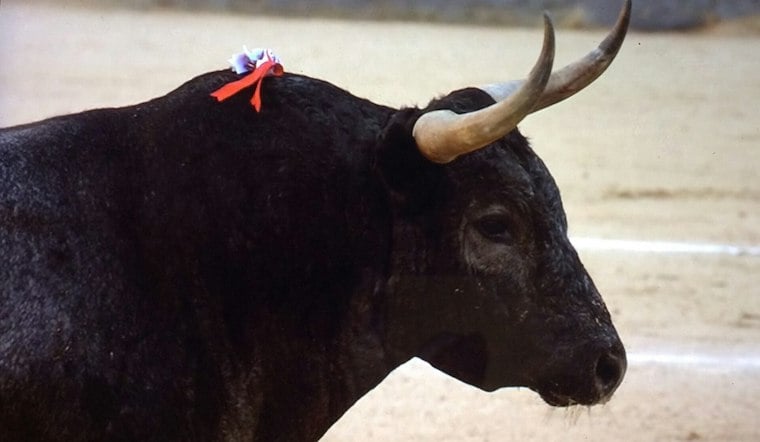
Every Sunday night on a 65-acre ranch outside Fayetteville, riders climb onto 1,500-pound bulls and try to hang on for eight seconds, chasing a rush that has cost some of them everything. But at Shady Acres Rodeo in Hope Mills, the arena has become something more than a place to compete — it is where a tight-knit community of young riders and veterans has been trying to hold each other together after losing five of their own to suicide since 2020.
The ranch sits about 75 miles from Raleigh and is run by Eddy Gushlaw, along with Sonya Gushlaw and Dorian Gushlaw, according to The News & Observer. Gushlaw, 55, has been at Shady Acres for nearly three decades and calls rodeo the only sport where competitors stand for the flag and kneel for the Lord, per the same account. The ranch offers practice rides and cash-payout jackpots, hosting public events every Sunday night, and riders pray together before the competitions begin.
Gushlaw and his wife are both veterans, and it was the death of a close veteran friend by suicide that pushed him to launch Rodeo 22, an awareness effort that uses the sport to build emotional support structures around young riders. The initiative takes its name from a 2012 Department of Veterans Affairs report estimating 22 veteran suicides a day, the outlet's report notes, and its logos and stickers now appear throughout the property. Its motto, one life at a time, one rodeo at a time, reflects Gushlaw's approach of staying reachable — he keeps his phone on 24 hours a day for young riders who need someone to call.
A Pattern That Cuts Close to Home
The federal statistic that inspired Rodeo 22 has since evolved. The VA's most recent National Veteran Suicide Prevention Annual Report found that veteran suicides averaged 17.5 per day in 2023, totaling 6,398 deaths nationwide, according to Disabled American Veterans. That same federal data showed 61% of veterans who died by suicide in 2023 had not received VA health care in their final year, underscoring why community-based outreach outside the formal medical system matters for reaching people who never show up in a clinic.
The losses at Shady Acres have hit close to home. Dalton Weise, who competed at the youth bull riders world finals by age 14 and once rode nine bulls on his first day in the Shady Acres arena, held the unbroken record for most bulls ridden in one evening and would travel up to six hours round-trip just to compete there, per The News & Observer's reporting. He died by suicide in 2024 at age 14. Dakota Jensen, who arrived at the ranch in 2020 and helped feed bulls, fix fences and rebuild the announcer's stand, was killed in a car accident in October 2023 at age 24; his family held his memorial service directly in the Shady Acres arena the following month, according to an obituary posted on Legacy.com. Jensen left behind a son, Dakota II, who is now 2 years old, and the ranch has scheduled the Dakota “like the radio” Jensen memorial jackpot for October 2026.
Why Roughstock Riding Takes Such a Toll
The physical danger of bull riding helps explain part of why mental health struggles run so deep in this world. Sports medicine research published in the International SportMed Journal and highlighted by the Western Sports Foundation found that bull riding generates an estimated 32 to 48.2 injuries per 1,000 competitive exposures, more than 10 times the injury rate of professional American football, making it statistically the most dangerous organized spectator sport in the world. At a recent Shady Acres meet, one rider dislocated a shoulder and another broke ribs, injuries The News & Observer describes as common at the ranch.```-``` The foundation's research links repetitive concussions and physical trauma in roughstock events directly to chronic pain, depression and anxiety, challenges made worse by a traditional cowboy up mentality that discourages athletes from admitting pain or seeking help.
In May 2025, the Western Sports Foundation partnered with mental health providers to offer rodeo athletes and their families free, confidential 24/7 counseling and post-concussion brain health evaluations aimed at breaking that stigma across youth, collegiate and professional rodeo nationally. At Shady Acres, that same fight against silence plays out person to person. Johnson Grubb, a 21-year-old bull rider from Dillon, South Carolina, who hopes to turn professional, told The News & Observer, “I chose bull riding. There's something in my body that just won't let me quit.”
Ambassadors Trying to Break the Silence
Natalie West, a 17-year-old Shady Acres rider, has said mental health remains a taboo topic during the teenage years, according to the outlet's report. Gushlaw has recruited West and Cheyenne Jensen, Dakota Jensen's younger sister, as project ambassadors for Rodeo 22, hoping younger voices can reach peers who might not open up to an adult. Aidan Ketchum, a 19-year-old Navy veteran who works as a bullfighter protecting riders and guiding bulls into pens, is part of that same generation trying to keep the community connected.
Tyler Gaines, 27, discovered Shady Acres after riding a mechanical bull at a bar and now parks his trailer on the property, working as a fiber-optic cable layer in West Virginia between visits. He covered a bull for eight seconds on his 27th birthday and was slapped 27 times with chaparreras afterward, a rodeo tradition, per the same account. “Shady Acres is a safe place for so many people,” Gaines said, according to The News & Observer.
The Regional Backdrop
State data helps explain why a rural Cumberland County ranch has taken on this role. North Carolina Department of Health and Human Services surveillance found that 2,006 state residents aged 10 to 24 died by suicide between 2014 and 2023, with male youth suicides peaking specifically at age 22, when 229 deaths occurred, according to the NCDHHS Division of Public Health. The same data covering 2014 through 2023 showed school-aged youth in rural North Carolina counties experienced a higher suicide rate, 5.6 per 100,000, than youth in urban counties, at 5.3 per 100,000.
Locally, school counselors and mental health professionals in Cumberland County saw a significant surge in student mental health crises and suicide risk following post-pandemic isolation, as reported by CityView NC. Shady Acres also holds an annual memorial rodeo for Weise, and the community around the ranch has sparked an ongoing, broader conversation about mental health among the young people who show up there every week. It remains an open question how a grassroots ranch like Shady Acres could formally connect at-risk youth with licensed clinical care, but the surrounding statistics make clear why a place that simply keeps people coming back has mattered so much.
Shady Acres operates on Canady Pond Road in Hope Mills, charging $5 general admission for adults and $10 per practice ride, with roughly 30 bulls kept for weekly rides, according to DistiNCtly Fayetteville. Anyone in crisis can reach the 988 Suicide and Crisis Lifeline 24/7, and North Carolina residents can also call the NC Peers Warmline at 988-PEERS-NC around the clock.




