

























































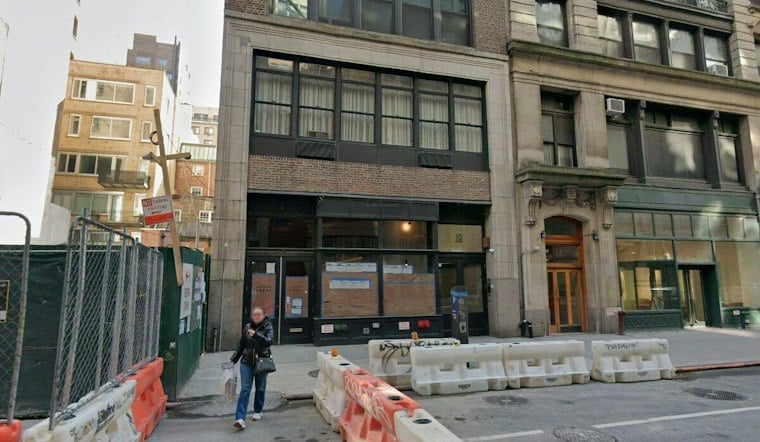
A Japanese Wagyu specialist that built its name on rare, lean beef cuts has landed in Manhattan for the first time, opening a Flatiron counter where diners watch every slice hit the grill in front of them. Yakiniku Great's debut U.S. location sits on West 17th Street, and it's already drawing attention for tasting menus built around cuts most American diners have never heard of, let alone tried rare.
From Tochigi to Flatiron
Yakiniku Great started small: owner and executive chef Shoji Tsugawa opened the original restaurant in Tochigi Prefecture in 2008, according to Food & Wine. By 2015 the chain had expanded to Tokyo and Hong Kong, and it now runs three locations in Japan, two in Hong Kong, two in Malaysia, and one in Indonesia, per the same outlet's reporting. The Flatiron restaurant marks its first foray into the United States, and Secret NYC describes it as a lean-Wagyu specialist making its U.S. debut this year in the neighborhood.
The New York space is intimate by design, with a 14-seat counter and four tables, the article notes. Diners can watch the grilling happen right in front of them, a presentation Tsugawa says is part of the appeal, since guests get to see each cut prepared before it reaches the table.
What's Actually on the Grill
Yakiniku Great says on its official site that it serves “only A5 Kuroge Wagyu with a BMS of 10–11,” with every cut air-freighted directly from Japan. Tsugawa has said the beef comes straight from Japan and is never frozen in transit, according to the article's reporting. Kuroge Washu, the breed behind that beef, accounts for more than 90 percent of Japan's Wagyu production, according to the Japan Food Product Overseas Promotion Center as cited in the same report.
Rather than chasing the fattiest, most marbled cuts that dominate American Wagyu marketing, Yakiniku Great leans into akami — leaner, rarer cuts that Tsugawa says are the restaurant's real focus. The menu includes uwa-misuji, described as a small, lean, umami-rich cut from the top of the shoulder blade, and much of the beef is served rare. Tsugawa has said overcooking Japanese Black Wagyu strips it of its ideal texture, moisture, and character, so cuts like misuji get seared for just three seconds per side.
Tasting Menus, Pricing, and What's Not Included
Coverage of Yakiniku Great's exact tasting formats doesn't fully line up. Food & Wine reports six- and eight-course menus priced at $130 and $175 respectively, while the restaurant's own menu page describes one experience that focuses on six essential cuts of the day and a signature experience featuring eight premium cuts. The menus emphasize leaner akami and less common Wagyu cuts, with staff grilling each cut. The restaurant also offers à la carte dishes alongside the tasting menus, plus somen noodles in dashi broth and sesame-dusted mizu mochi for something lighter between courses.
A standout add-on is the Uni-Chateaubriand, a $70 dish combining lightly seared filet mignon, rice, mushrooms, scallions, and uni. There's also a Special Rare Cut Experience built around daisankaku, shakushi, and tougarashi cuts for diners chasing something less common. One supplement, described on the restaurant's menu as the Ultimate Lean Beef Experience, is capped at just 10 servings a day.
Drinks lean traditional rather than Western: Yakiniku Great's own site says it offers a curated selection of premium Japanese sake, and the restaurant does not serve wine or cocktails with the meal. Diners with dietary restrictions should plan accordingly. The restaurant says it cannot accommodate vegan or vegetarian diets, and it cannot cater to allergies or aversions to seafood, shellfish, soy, gluten, or alliums.



