

























































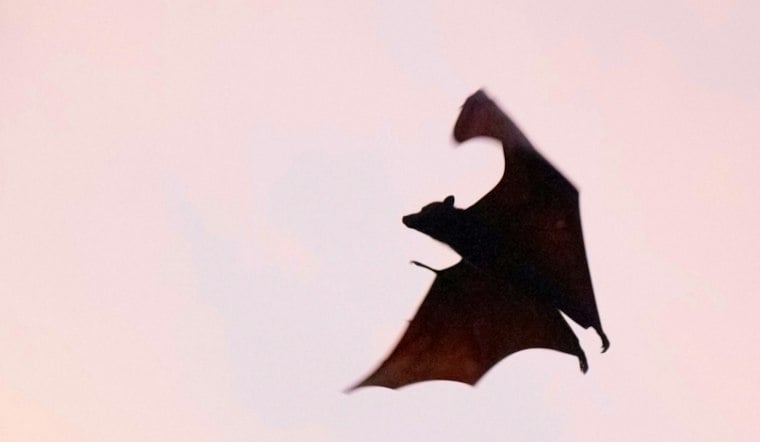
Seven bats have tested positive for rabies in Kansas City so far this year, the highest annual total recorded in the city in more than a decade, and health officials are warning residents to steer clear of any bat they encounter, dead or alive.
The Kansas City Health Department warned of increased bat exposures in the Kansas City area, according to FOX4KC. The city recorded seven rabies-positive bats this year, according to the Kansas City Health Department.
Bat activity can increase during warmer months.
A Regional and National Pattern
Kansas health officials warned residents and healthcare providers about increased encounters with rabid animals, with bats accounting for much of the concern, according to The Community Voice. State tracking through June had identified nine rabies cases in Kansas.
The trend extends nationwide. The U.S. Centers for Disease Control and Prevention issued a Health Alert Network advisory on September 10 reporting that national pharmacy data through early September showed a 33% increase in rabies vaccine utilization and a 76% surge in rabies immunoglobulin usage compared to the same period last year. The agency also reported a 17% increase in rabies inquiries during July and August.
What To Do If a Bat Gets Inside
Health professionals should assess possible exposures before treatment, considering the animal, the contact, and any bite or scratch.
Health officials advise seeking professional guidance after direct bat contact or when someone in the room cannot reliably say whether contact occurred. Post-exposure treatment may include rabies immune globulin and vaccine shots.
Rules for Pets and Domestic Animals
Pet owners are advised to keep eligible pets up to date on rabies vaccinations.
Kansas City residents are being urged to avoid contact with bats.



