

























































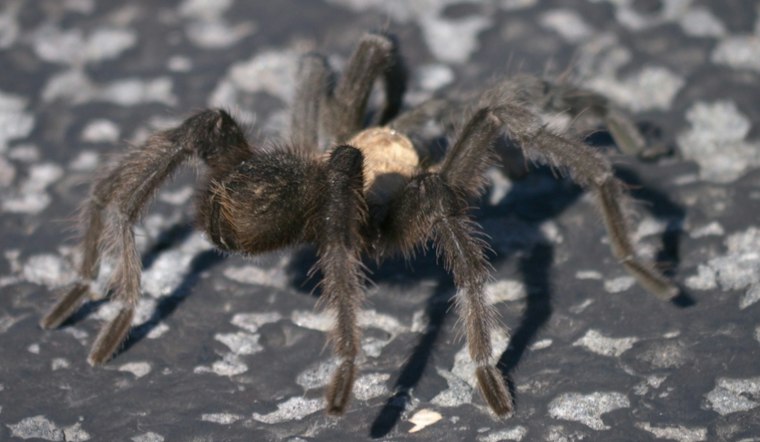
Tarantulas become more visible in Kansas in late summer and early fall, and the state's wildlife agency wants everyone to know there's nothing to fear. The Kansas Department of Wildlife and Parks posted a reminder Tuesday that late summer and early fall are typically when the state's tarantulas become visible, urging people to let the spiders be, avoid provoking them, and give them room to cross safely.
The agency's message was blunt and reassuring: tarantulas have “eight legs, zero interest in you,” according to a September 22 public advisory from the Kansas Department of Wildlife and Parks. As reported by the Kansas City Star, the agency called on residents to let this “gentle giant continue on its very important date,” framing the seasonal sightings as a natural, harmless event rather than cause for alarm.
Why Male Spiders Are Suddenly Everywhere
The wandering spiders seen this time of year are almost always males, which leave their burrows to search for females, per the Kansas City Star's report. That journey can be a long one: radio-telemetry research published by the American Arachnological Society found that mature males can travel up to 1,300 meters. The study describes males searching for mates and crossing highways.
The urgency behind the trek comes down to a stark lifespan gap between the sexes. Female tarantulas can live up to 40 years, while adult males typically survive only a few months after their final molt into sexual maturity, according to the High Plains Journal. Temperature, microclimates and female pheromones may play a role in these autumn mate-seeking wanderings, per the High Plains Journal.
Should You Be Worried About a Bite?
Kansas tarantulas are described as relatively calm and rarely aggressive, according to the Kansas City Star's reporting, and they mostly prey on insects and other small animals rather than posing any threat to people. Per the Cleveland Clinic, North American tarantula venom is not dangerous to humans, though it can be dangerous to dogs. When threatened, tarantulas are most likely to run and may bite as a last resort. In a defensive face-off, they stand on their back four legs and release urticating hairs by rubbing their back two legs across them, according to the High Plains Journal.
That's a sharp contrast with two other Kansas spiders that do carry real risk. The Cleveland Clinic states that brown recluse and black widow venom are both dangerous, and bites from either species can cause muscle cramps, abdominal pain, nausea, and vomiting. Recommended treatment for any spider bite includes washing the area with warm, soapy water, applying ice for 15 minutes on and off, and taking over-the-counter medicines such as Tylenol or Advil.
Life and Death Underground
Tarantulas aren't always solitary tenants. In southern Kansas grasslands, the Great Plains Narrow-Mouthed Toad shares tarantula burrows that provide living space and protection from predators, according to Fort Hays State University. Female tarantulas lay 300 to 350 eggs in an egg sac in the burrow; the eggs take up to three months to emerge, according to the same High Plains Journal report.
For now, Kansas wildlife officials just want residents to keep their distance, let the spiders finish their journey, and resist the urge to intervene.




