

























































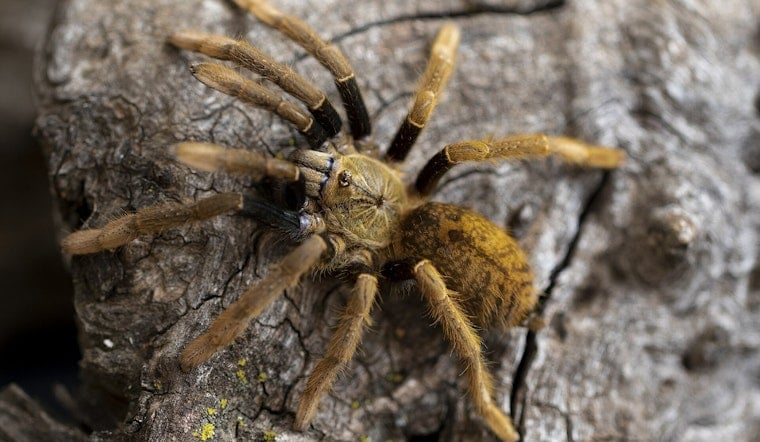
Along U.S. 350, Colorado 109 and Colorado 10 near La Junta, Colorado, drivers are once again slowing down for an unusual reason: thousands of male Oklahoma brown tarantulas are on the move, wandering the grasslands in search of mates. The annual spectacle has become such a draw that La Junta is hosting its fourth annual Tarantula Festival this year, and for the first time the celebration includes a drone show alongside its usual vendors, art, expert talks and bus tours.
The festival runs September 25-26 in La Junta, according to the Denver Gazette. Tarantula viewing itself stretches from mid-September into October, and Visit La Junta reports that activity may continue into November. The tourism group advises that September is the ideal time of year to spot the spiders, with the best chance to see them roughly an hour before sunset.
Why the Males Wander
Only mature males make this trek. Arachnologists and curators at the Denver Museum of Nature & Science have emphasized that calling the seasonal event a “migration” is scientifically inaccurate, since true migrations involve entire populations or both sexes moving to a new habitat, according to the National Wildlife Federation. Females spend their whole lives in their burrows, per the Denver Gazette's reporting, while males don't reach maturity until approaching age 10 — and once they do, they leave their burrows for the first and only long journey of their lives.
That journey doesn't last long. The same reporting notes male tarantulas typically die after courtship, done in by cars, predators, or a lost appetite, while females may live two decades. Once a male finds a burrow, he performs a courtship dance, tapping or drumming his legs on the entrance — and if he's successful, the female may end up eating him afterward.
Predators and Prairie Neighbors
Tarantula hawks, described as one of the nation's largest wasps, are the tarantula's most fearsome natural threat. According to CSU Extension, the female wasps deliver a sting rated a 4.0 — the top of the Schmidt Sting Pain Index — before paralyzing a tarantula and dragging it underground to lay an egg on the still-living spider.
Tarantulas themselves are mostly harmless to people, though Visit La Junta cautions that their protective hairs may cause itching and that a bite, while rare and only likely when a spider is provoked, resembles a bee sting. The group advises the public not to touch the spiders, and warns that stopping on the road to photograph them can be dangerous given traffic along the viewing routes.
Where to Look
The spiders roam across the Comanche National Grassland, which covers more than 443,000 acres in southeastern Colorado and ranks among the country's largest protected, largely undisturbed grasslands. Male tarantulas cross U.S. 350, Colorado 109, Colorado 10 and various county roads as they search for female burrows that haven't been plowed over, per the Denver Gazette's account.
Beyond the roadside sightings, the spiders serve a quieter role in the ecosystem. As Hoodline previously reported, tarantulas prey on agricultural pests, circulate prairie soil, and improve water infiltration through their burrowing across shortgrass prairie habitat.
For those planning a visit, La Junta posts festival details at visitlajunta.net/tarantula-fest. The event has grown well beyond its original spider-watching premise, now folding in a drone show, art displays, expert talks and guided bus tours alongside the vendors that have anchored the festival since it began.





