

























































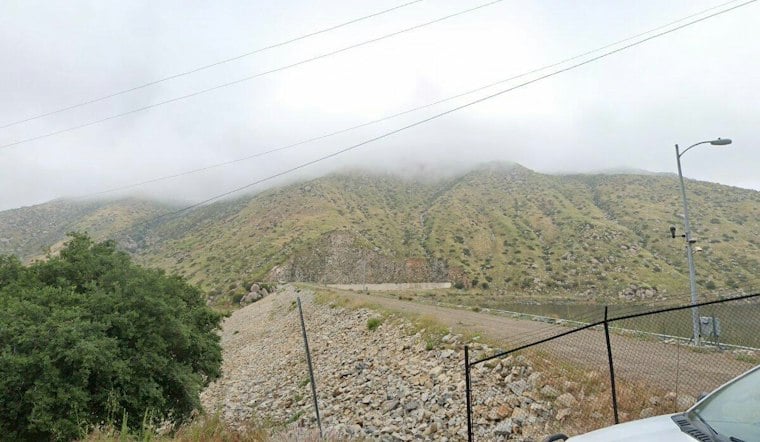
County leaders have approved $2.5 million to extend the boat launch ramp at El Capitan Reservoir, a move aimed at keeping the Lakeside lake usable for boaters even as water levels rise and fall throughout the year. The San Diego County Board of Supervisors voted unanimously earlier in September to approve the funding, directing staff to negotiate a formal agreement with the City of San Diego, which owns and operates the reservoir.
The proposal, brought forward by Supervisors Joel Anderson and Monica Montgomery Steppe, will extend the reservoir's four-lane boat launch by about 200 feet and add a 60-foot-wide reinforced concrete ramp, according to the San Diego Union-Tribune. The $2.5 million allocation includes $2.2 million transferred from the county's Office of Emergency Services and $300,000 from earlier funding already assigned to the reservoir. Under the terms approved on September 1, the county's chief administrative officer will also pursue additional state and federal grant funding for the extension, according to the County of San Diego Board of Supervisors.
Once the funds are transferred, the City of San Diego will be responsible for the project's design and construction, the Union-Tribune reports. A letter from the county described how lower reservoir levels have often rendered the existing boat launch unusable, leading to recurring closures, restricted operating hours, and inconsistent boating access for visitors who rely on the ramp.
A Lake That Keeps Dropping Below Its Ramp
El Capitan Reservoir, located in the unincorporated community of Lakeside, serves as both a water storage source for San Diego and a recreational destination where visitors can go canoeing, kayaking, tubing, and shore fishing, per the same Union-Tribune report. Its stocked waters support Florida-strain largemouth bass, crappie, catfish, and sunfish, according to the City of San Diego Public Utilities Department.
Low water has at times closed the boat launch ramp, according to Western Outdoor News. The reservoir holds a total capacity of 112,800 acre-feet — over 36 billion gallons — and covers 1,562 surface acres with 22 miles of shoreline when full.
Montgomery Steppe framed the project as a matter of public access. “Keeping the reservoir open gives families and neighbors a reliable place to gather, connect and enjoy the outdoors together,” she said, according to the Union-Tribune. “Low water levels shouldn’t lock us out of our own public park.”
Why the Water Keeps Disappearing
Water-level drawdowns can leave the ramp above the waterline.
Water levels can also be subject to elevation restrictions related to dam safety.
The ramp extension follows years of community pushback over threatened closures. In May 2024, local recreational angling organizations mobilized against a proposed $59,000 city spending cut that would have shuttered El Capitan Reservoir entirely during the month of January, according to the San Diego Reader. That fight helped set the stage for a broader county intervention: in October 2025, the Board of Supervisors unanimously established a four-year pilot program committing up to $600,000 annually starting in fiscal year 2026-27 to co-manage the reservoir's recreational operations alongside the city, as reported by the San Diego Union-Tribune in October 2025.
A Reservoir Built on Displaced Land
El Capitan Reservoir was formed in 1934-1935 following the construction of the 237-foot-high El Capitan Dam. Kumeyaay families were forcibly relocated to the Capitan Grande Reservation, according to the Journal of San Diego History — a history Hoodline previously reported in connection with the Barona Band's annual powwow in Lakeside.
Hoodline has also covered a fatal crash near El Monte Road earlier this year. Whether the new 200-foot extension will be enough to withstand future prolonged droughts remains an open question.




