

























































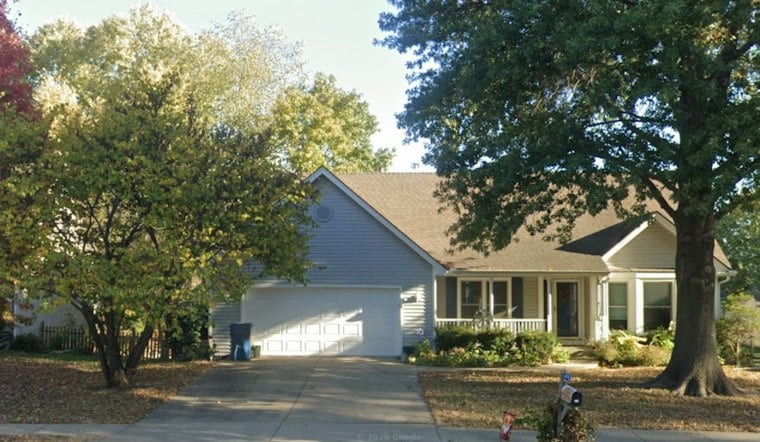
A worker trapped in a trench on the 900 block of Ellis Street in Liberty, Missouri was freed Monday afternoon after fire and rescue crews worked for about two hours to safely extract him before he was taken to an area hospital. Crews were called to the scene around 3:39 pm, and the worker's condition has not been reported.
The rescue required a multi-agency response, with the Kansas City Fire Department, Liberty Fire Department, and Liberty Public Utilities Division all helping free the worker, according to KSHB 41 Kansas City.
Why Trench Rescues Take So Long
Technical trench rescues are inherently slow and painstaking because of the physics involved. OSHA safety guidelines note that a single cubic yard of soil can weigh as much as 3,000 pounds — roughly equivalent to a compact car — according to the Occupational Safety and Health Administration. Rescue teams may need to shore up unstable walls before digging a trapped worker free, rather than attempting a rushed extraction.
Liberty's Public Utilities Division assisted at the scene. It is unclear whether the Ellis Street trench was tied to utility maintenance, and the contractor or entity performing the excavation has not been identified.
Federal Rules Govern Trench Safety
Under federal OSHA standard 29 CFR 1926 Subpart P, employers are required to implement protective systems — such as sloping, benching, shoring, or trench shields — in any trench measuring more than 5 feet deep or showing signs of a cave-in unless the excavation is made entirely in stable rock, according to the CDC. The exact depth of the Ellis Street trench has not been disclosed, and it remains unknown whether protective systems were in place at the time of the incident.
OSHA excavation standards also mandate that a designated “competent person” inspect trenching sites daily and as conditions change before workers enter, in order to identify potential soil instabilities, hazardous atmospheres, or protective equipment failures.
A Hazard That Kills Dozens Each Year
Bureau of Labor Statistics data show that excavation and trenching work is 112% more hazardous than general construction work, with OSHA recording 39 worker fatalities from trench collapses in 2022 alone, according to the Berkshire Hathaway Homestate Companies Safety Center.
Shallow trenches are far from safe, either. NIOSH studies indicate that 80% of trench collapse fatalities occur in excavations less than 10 feet deep, a statistic that challenges the common assumption that only deep excavations pose a lethal threat. OSHA also runs a National Emphasis Program for trenching and excavations.
The Liberty rescue occurred Monday.



