

























































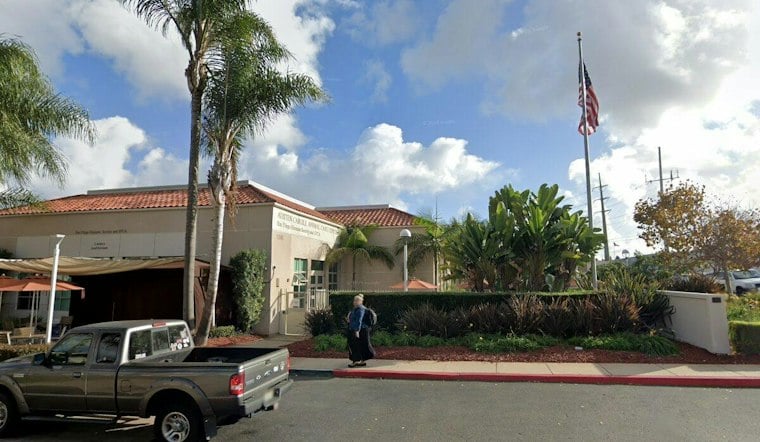
A Maltipoo named Colby went missing from his San Diego family for almost three years — until Humane Law Enforcement officers responded Tuesday night to a report of an abandoned dog at the Jewish Family Service Safe Sleeping site on Kincaid Road. There, they found him suffering from fleas, matted fur, and a possible skin infection, a shell of the pet his family had been searching for since 2023.
According to NBC 7 San Diego, Colby was reunited with his family at the San Diego Humane Society, with a microchip enabling his path back home. As Patch reports, shelter staff scanned the chip and matched it to a missing pet report originally filed on September 27, 2023, then contacted his owner around 9:30 p.m. Wednesday.
From Neglect to Medical Care
Before Colby could go home, the San Diego Humane Society's medical team bathed, groomed, vaccinated, and examined him, and his family opted to have him neutered before taking him home Thursday, per the same account. The rapid turnaround stands in contrast to his condition upon arrival, and it underscores how quickly a shelter can act once an owner is identified.
Exactly where Colby spent his nearly three years away — and what kind of care, if any, he received before turning up abandoned on Kincaid Road — remains unknown, the outlet notes. That gap in his story is one of the more haunting details of his return.
Why the Chip Made the Difference
Colby's reunion illustrates a legal framework that has reshaped shelter operations across California. Under California Food and Agricultural Code Section 31108.3, established by Senate Bill 573 in 2020 and expanded by Assembly Bill 2723 in 2022, animal control agencies and shelters statewide are required to microchip all reclaimed or adopted dogs and cats and register the owner as the primary contact before release, according to LegiScan's record of the legislation.
Locally, San Diego County mandates that all dogs four months and older be vaccinated against rabies and licensed, with licensing managed through DocuPet to link each tag to a HomeSafe 24/7 lost pet tracking profile, per the San Diego Humane Society. The nonprofit also offers 15-digit ISO-compliant HomeAgain microchips at its public vaccine clinics for $30, a fee that includes national database registration, while PetMicrochipLookup.org is a universal lookup tool.
The Numbers Behind Reunification
A landmark study published in the Journal of the American Veterinary Medical Association found that stray dogs brought into shelters with microchips are returned to their owners at a rate of 52.2%, compared to just 21.9% for dogs without one, according to the American Animal Hospital Association. That gap more than doubles a lost pet's odds of getting home.
But the chip alone isn't a guarantee. Roughly 40% of pet microchips in the U.S. are unregistered, according to the American Veterinary Medical Association, as reported by PR Newswire. The AVMA also emphasizes the importance of keeping microchip registration information up to date. Officers confirmed Colby's owner's contact information, making his rapid identification possible.
A Reclaim Process With Legal Requirements
The shelter's lost and found pets guidance outlines the reclaim process and distinguishes between traceably identified pets, which may serve up to a five-day hold, and pets without traceable ownership, for which a 72-hour hold applies. Colby's case moved quickly after his identity was confirmed almost immediately after intake.
His story highlights the role of reunification in shelter work; readers can also consult a related Hoodline report.
Not an Isolated Case
Colby's reunion is an example of a long-duration lost-pet reunion. His story points to the same lesson: a scanned chip, backed by current owner information, can bridge gaps of years and hundreds of miles alike.





