

























































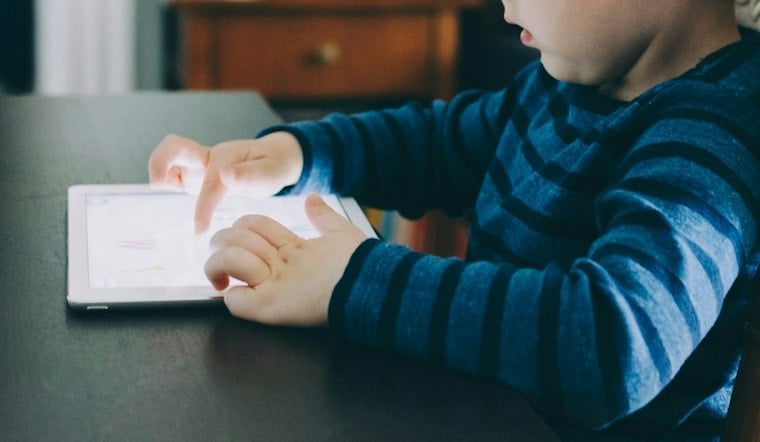
A review pulling together data on more than 2.8 million children and adolescents across 64 countries has found that kids who spend more time on screens tend to have lower academic achievement, weaker language skills, and more emotional, behavioral, and peer-related problems. The findings, published Monday, land as families nationwide are still sorting out how much screen time is too much for their kids — and as federal health officials push their own warnings on the subject.
What the Massive Review Actually Found
The study, led by Elizabeth Al-Jbouri of the University of Calgary, combined 23 separate meta-analyses into what researchers call a quantitative umbrella review, according to Medscape. It covered children and adolescents 18 and younger, and was published online September 28 in JAMA Pediatrics, per the same outlet's reporting. Greater screen exposure was tied to lower academic achievement and poorer language development, while no clear association turned up for math, science, or reading scores specifically, Medscape reported.
The review also found screen use was positively associated with internalizing behavior — things like depression and anxiety symptoms — as well as increased externalizing behavior such as aggression or hyperactivity, Medscape noted. Emotional problems and peer-related problems showed up too, though the outlet reported that heterogeneity across studies measuring those outcomes was high or very high. Coverage of the same review from The Guardian described longer durations of digital and social media use as linked to less favorable outcomes across multiple, though not all, measured domains of child development.
How Big Is the Effect, Really
Here's where the numbers get murkier. The Guardian reported more than 2.8 million children and adolescents were examined across the 64 countries, while the Science Media Centre, in its own writeup of the same review, put the figure at nearly three million children. Either way, the researchers themselves were careful to stress that the study shows an association rather than a cause-and-effect relationship, according to the dossier's sourcing on the study's own framing.
An expert quoted by the Science Media Centre put the size of the effect in blunt terms: there is an association between screen time and poorer indicators of mental health and academic performance, but it is very small — around 1 percent of the differences between one group of adolescents and another. That same expert reaction noted the association between screen use and psychological distress was more pronounced among adolescents than younger children, and stronger for mobile phones specifically than for television or video games.
The Science Media Centre also cautioned that the review could not draw robust conclusions about specific types of screen use, like social media or gaming, because there simply wasn't enough data to study those categories in isolation. The Guardian separately reported that the magnitude of the effects was similar to, or larger than, those reported for other well-established predictors of child outcomes, including socioeconomic status, parenting behavior, and preterm birth.
Federal Officials Are Already Sounding the Alarm
The research lands amid a broader federal push on the issue. Health Secretary Robert F. Kennedy Jr. has been moving to issue a U.S. surgeon general's advisory urging families, schools, and health providers to reduce children's screen time, according to STAT News. That advisory acknowledges the evidence around the impacts of screen use is still evolving, STAT reported — language that echoes the caution built into the new umbrella review itself.
As Tampa Bay 28 reported, Kennedy has framed screen time as encompassing more than just phones and social apps. He's described it as the entire digital ecosystem of apps, smartphones, tablets, chatbots, and other screen-associated devices and interfaces, and has written that social media is only one aspect of the ongoing screen time problem, with behavior patterns involving gaming, online gambling, and other forms of virtual interaction now emerging as concerns.
What Families Are Being Told to Do
The federal advisory recommends parents establish screen-use boundaries, take breaks from screen use themselves, and monitor their own habits — not just their kids'. It also recommends implementing school cell phone restrictions. Separately, the American Academy of Pediatrics has promoted the idea of a family media plan, which it suggests should spell out which devices can be used, where and when they can be used, what content is appropriate, and how much screen time is allowed overall, according to the American Academy of Pediatrics.
That group has also acknowledged that children's frequent and consistent media use carries both benefits and risks, touching areas like sleep, physical activity, emotion regulation, school success, and mental health. Earlier research reviewed separately found small but significant correlations between screen time and children's internalizing and externalizing behavior problems, according to a study published in the National Institutes of Health's PMC database, with correlations described as comparable in size to those found in other meta-analyses on screen time's relationship to language skills and academic performance.
For now, the researchers behind the new umbrella review frame screen use as one potentially modifiable factor tied to children's well-being across multiple domains — not a proven cause of any single outcome. Screen exposure's associations varied by screen type, child age, and other factors the review examined, underscoring that the picture painted by 2.8 million children's worth of data is still far from settled.





