

























































A person with a confirmed case of measles spent hours inside Denver's Union Station on Tuesday evening and a Steamboat Springs hotel the next morning, state health officials say, marking the second measles case confirmed in Colorado this week. Anyone who passed through either location during the exposure windows is now being urged to watch for symptoms and, in some cases, seek fast-acting preventive treatment before it's too late.
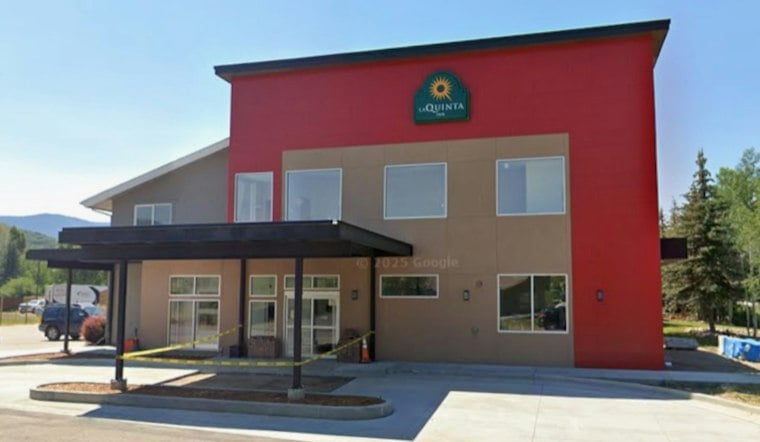
According to The Denver Post, the person visited Denver Union Station at 1701 Wynkoop St. between 6 and 9 p.m. on Tuesday, then spent time at the La Quinta Inn at 3155 Ingles Lane in Steamboat Springs between 9 a.m. and 2:30 p.m. on Wednesday. State health officials say people exposed at either site could develop symptoms through October 7. The report does not state the visitor's vaccination status. The Colorado Department of Public Health and Environment has advised that exposed individuals can still receive an MMR vaccine within 72 hours of exposure or immunoglobulin within six days to help prevent or reduce the severity of illness, per CDPHE.
A Second Exposure Alert in the Same Week
This is the second measles exposure alert Colorado has issued in a matter of days. Just before this case surfaced, the state announced on September 15 that a previous visitor with measles had spent time at the Pearl Street Mall in Boulder on September 8 and 9 and at a hotel in Westminster on September 9 and 10 — exposures Hoodline detailed in our earlier coverage of that visitor's Front Range stops. Measles spreads through airborne droplets released when an infected person coughs or sneezes, and the virus can remain suspended in enclosed air for up to two hours after that person has left, which is why brief encounters at high-traffic spots like a train station can still pose a real transmission risk, per the same state health department.
Symptoms typically include fever, cough, runny nose, and red eyes, with a rash usually appearing several days later on the face before spreading across the body, according to the Denver Post's report. Anyone who develops symptoms is asked to call their health care provider and report the illness to their local public health agency or the state public health department at 720-653-3369. State officials have also posted an updated list of exposure locations online for residents trying to track whether they crossed paths with an infectious case.
Colorado's 2026 Case Count and Who's Getting Sick
As of September 15, Colorado public health officials had confirmed 25 measles cases statewide this year, slightly below the 31 cases the state had recorded at the same point in 2025. Of this year's cases, 22 involved people who had not been vaccinated, and 19 involved children and teens younger than 18, according to CDPHE data cited by the Denver Post. The available data gives the under-18 total but does not provide a further age breakdown. The cited case data does not provide a hospitalization count or a county distribution for all 25 cases, and it does not provide a measles death count as of mid-September.
Why the Post-Exposure Window Matters
The math behind those 72-hour and six-day windows is significant for anyone who was at Union Station or the La Quinta Inn this week. Post-exposure MMR vaccination is up to 90% effective when given within 72 hours of exposure, while immune globulin can offer up to 100% passive protection within six days for higher-risk contacts such as infants, pregnant women, and immunocompromised people, according to clinical guidance reported by Healio. Live MMR vaccine, however, is not an option for pregnant or severely immunocompromised individuals, the same guidance notes.
Colorado has seen this pattern before. During 2025, the state recorded 36 total measles cases, 10 of which stemmed from an out-of-state traveler who infected airport visitors and flight passengers at Denver International Airport — an outbreak that required contact tracing across nearly 1,400 people, a saga Hoodline chronicled when Colorado logged its first outbreak since the '90s. Travel hubs, whether an airport terminal or a downtown train station, keep proving to be efficient points of entry for the virus in a state where community protection remains thin.
Low Vaccination Rates Leave Colorado Exposed
That vulnerability traces back to immunization coverage. Colorado ranks among the lowest states in the nation for kindergarten immunization, with MMR vaccination rates among kindergartners at roughly 87%, well below the 95% threshold needed for community herd immunity, according to the Association of Immunization Managers. Federal data ranked the state 45th nationally for kindergarten MMR coverage.
CDPHE rules mention a 21-day self-quarantine rule during an active outbreak. The available sources do not detail changes to Colorado's exemption system.
A Record Year Nationally
Colorado's outbreak is unfolding against a national backdrop that public health officials are calling historic. As of July 31, 2026, the CDC reported 2,371 measles cases across 44 states and the District of Columbia, according to Contagion Live. That national total was 82 cases higher than the 2,289 cases reported for all of 2025.
Separately, a shift in how the CDC tracks measles-related deaths — relying exclusively on National Center for Health Statistics mortality records rather than direct state notifications — has created a tracking discrepancy in which state-confirmed measles deaths were left out of national CDC tallies, according to WTVB. Pennsylvania health officials cited four state-reported outbreak deaths while requesting emergency CDC assistance, that report noted. For now, this article does not give a Colorado measles death count, even as officials continue urging anyone who may have been exposed at Union Station or the Steamboat Springs hotel to act quickly on vaccination or immunoglobulin before their window closes.



