

























































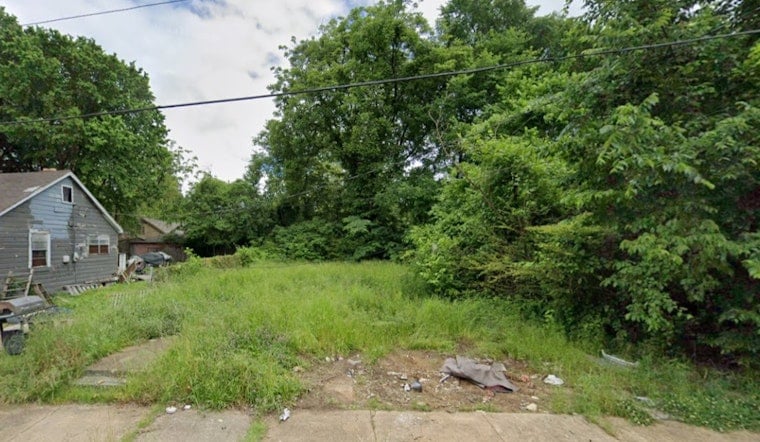
Memphis officials broke ground this week on the first demonstration home for the Orange Mound Community Land Trust, a pilot project city leaders hope will help keep housing affordable in one of the city's most historic Black neighborhoods. Mayor Paul Young and city housing officials gathered on Marechalneil Street in Orange Mound for the ceremony, marking the start of construction on a home on land the city acquired.
According to Action News 5, the city acquired 12 vacant parcels to launch the initiative, and this first home represents the pilot phase of a larger plan to build more homes for Orange Mound residents. City records show the demonstration home is located at 1390 Marechalneil Street, with construction handled by contractor Fifer & Associates, Inc. and construction administration provided by Self+Tucker Architects, according to the City of Memphis.
Young said the project will help maintain long-term housing affordability as the area grows, and city leaders say the effort could become a model for other Memphis neighborhoods if the pilot proves successful. The mayor also said Orange Mound is expected to see more opportunities and rising property values in the years ahead, per the same Action News 5 report.
A Neighborhood Built on Black Homeownership
The stakes attached to this pilot go beyond a single lot. Orange Mound was established in 1890 after developer Elzey Eugene Meacham purchased land from the former Deaderick Plantation, and the neighborhood is historically recognized as the nation's first residential subdivision planned specifically for African Americans to own property, according to the Advisory Council on Historic Preservation. Black residents originally built their own homes on 25-by-100-foot lots purchased for $40 each, a legacy that gives land retention in the community deep historic weight.
Today, the neighborhood is home to roughly 11,289 residents with a median age of 42 and an African American population share of 89.9%, per Point2Homes. Yet real estate data shows Orange Mound maintains a 19.2% residential vacancy rate, higher than 87% of neighborhoods nationwide, according to NeighborhoodScout — a legacy reflected in the city's acquisition of vacant lots for the initiative.
Filling a Citywide Affordability Gap
The Orange Mound project is one piece of a much larger housing push. City housing officials have reported that the Memphis metropolitan area faces a shortage of more than 38,000 affordable housing units, leaving tens of thousands of local households unable to afford their current housing costs, a statistic Young cited during a 2025 Orange Mound housing announcement covered by ABC24. In his 2026 State of the City address, Young committed Memphis to developing 10,000 new or renovated affordable and market-rate housing units in the urban core by 2030, with municipal tracking showing 2,421 units completed between January 2024 and March 2026.
Part of that push is being funded by a new revenue source tied to the city's growing tech footprint. Under City Council Ordinance 5953, passed in August 2025, Memphis captures 25% of property tax revenues from AI data centers to fund home repair initiatives within a 5-mile radius, according to WATN ABC24. The ordinance also includes additional provisions not detailed here.
Building on Prior Neighborhood Investment
This isn't the first affordable-housing effort in Orange Mound in recent years. In April 2025, local nonprofit My Cup of Tea partnered with United Housing, Inc. and the City of Memphis to announce four single-family rent-to-own homes at Semmes Street and Douglass Avenue, priced between $85,000 and $120,000, with construction beginning immediately, according to the Tri-State Defender. That project transformed a donated vacant parcel into ADA-accessible single-story homes.
City housing data cited by the Tri-State Defender provides context on Memphis's residential housing stock. The broader housing context also matters here.
Whether the Orange Mound land trust model can scale fast enough to meaningfully contribute to the city's 2030 housing goal remains to be seen. For now, the single home rising on Marechalneil Street stands as the test case — a small but symbolically loaded step in a neighborhood built, more than a century ago, on the promise of Black homeownership.





