

























































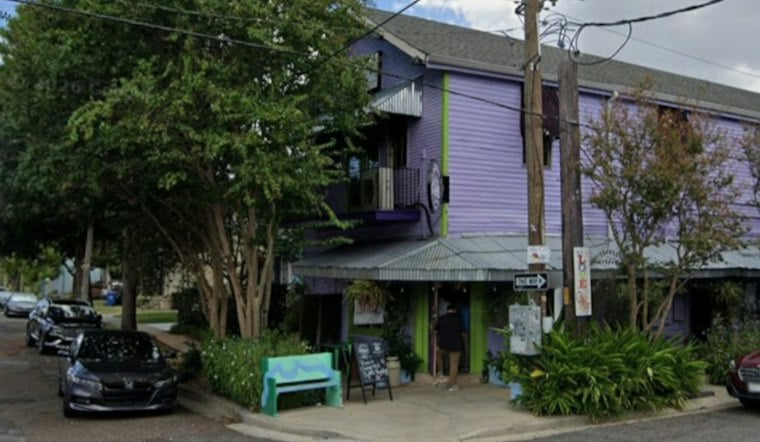
At Katie's Restaurant in Mid-City, the weekly steak dinner remains a Friday special even as beef prices nationwide rise. Owner Scot Craig has watched wholesale costs climb for years, as ranchers across the country shrink their herds and grocery shelves get more expensive.
The math behind that squeeze is stark. According to WGNO, steaks now cost 20% more than they did a year earlier and ground beef is up 23% over the same span, per Beef Price Tracker figures cited in the report. The report describes higher restaurant costs across the board, with beef prices leading the list.
Craig, identified as Katie's owner, is navigating the restaurant's extra expenses. The restaurant's weekly steak nights remain part of its offering.
Why the Nation's Cattle Herd Keeps Shrinking
The pressure on Katie's menu traces back to a supply problem that stretches far beyond Mid-City. The U.S. cattle and calves inventory fell to 86.2 million head as of Jan. 1, 2026, a 75-year low not seen since 1951, according to the American Farm Bureau Federation. Multi-year droughts and rising feed costs drove widespread herd liquidation across major ranching states, and the total U.S. beef cow herd has also declined, according to Food Trade News.
That contraction shows up directly on grocery shelves. Bureau of Labor Statistics data from July 2026 put the consumer price index for beef and veal up 9.4% year-over-year, according to USAFacts, which reports prices for several beef products. Fox Business says producing a cow for slaughter takes about two years and that rebuilding the herd could take a decade, so relief at the register isn't expected any time soon.
Louisiana Ranchers Feel the Squeeze Too
In Louisiana, the herd shortage has a local face. The state's cattle industry is also facing pressure as producers contend with changing conditions and an aging industry.
The state's cattle footprint is under growing pressure from land and resource limitations. Entering the business is expensive, requiring land and equipment to maintain a herd.
Federal Action and an Uncertain Timeline
Washington has taken notice. In August 2026, President Donald Trump announced an emergency 90-day plan waiving tariffs on up to 300,000 metric tons of foreign beef imports, aiming to ease consumer grocery costs while domestic herds slowly rebuild, according to Fox Business. Domestic ranching organizations, including the National Cattlemen's Beef Association, opposed the import plan. Whether the tariff waiver meaningfully lowers wholesale costs for kitchens like Katie's remains an open question.
The beef squeeze also lands on top of an already rough stretch for independent New Orleans restaurants. Craig told Hoodline in June that summer sales typically drop by roughly 30%, forcing cutbacks on staff shifts even as food expenses keep rising. That seasonal lull, layered onto record beef prices, leaves operators like Craig weighing how much longer they can absorb rising costs before passing more of them on to diners.
A Neighborhood Institution Built on Resilience
Katie's history includes its years as a neighborhood staple since 1984. The restaurant is family-owned and has endured difficult periods.
That history has helped turn Katie's into more than a neighborhood fixture. For longtime regulars and out-of-town visitors alike, the weekly steak night remains part of the Mid-City institution's appeal even as the math behind the menu keeps getting harder.


