

























































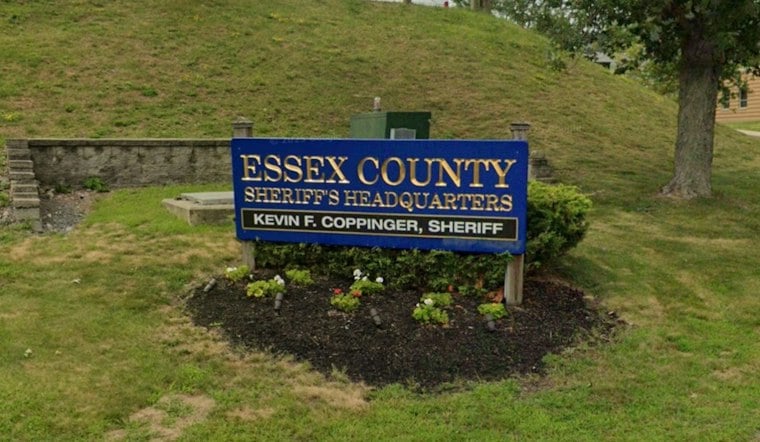
A correctional officer at the Middleton Jail and House of Correction pleaded not guilty Thursday to charges that she smuggled synthetic cannabinoid-soaked paper and a cellphone to an inmate, with prosecutors now signaling they want a grand jury to weigh in on the case. Christal Dunston, 33, of Lynn, was arraigned in Salem District Court and had bail set at $10,000 under conditions that bar her from the Middleton facility, prohibit contact with witnesses, and require her to stay drug-free.
Judge Randy Chapman set those bail conditions during the arraignment, according to Itemlive, which reported that defense attorney John Valerio represented Dunston while Assistant District Attorney Jessica Strasnick argued the case for the state. Strasnick told the court the Commonwealth expects to seek a formal grand jury indictment, according to WHAV — a move that would shift the case from district court into superior court and open the door to a potential state prison sentence.
As Boston 25 News reported, Dunston faces charges including conspiracy to violate drug laws, possession with intent to deliver to a prisoner, and delivering drugs or articles to a prisoner. Investigators say they watched her purchase five sheets of paper believed to be soaked in K2, an illegal synthetic cannabinoid also known as Spice, before her arrest at her home by the Essex County Sheriff's Department.
How the Investigation Started
The case did not begin with a tip from outside the jail. Sheriff Kevin Coppinger said the multi-week internal investigation started after department employees noticed suspicious activity during their routine duties and reported it to internal investigators, the report notes. Coppinger praised staff for coming forward, and the sheriff has separately warned that K2 poses a serious danger to both staff and inmates, since drug-laced paper can trigger overdoses and violence that put lives at risk inside the facility, per the same account.
When investigators questioned Dunston as she arrived for work, she allegedly admitted to more than the single off-duty purchase authorities had surveilled. According to the outlet, she said she had previously brought synthetic cannabinoids into the facility on one occasion and had supplied an incarcerated person with an unauthorized cellphone while on duty. Dunston has been placed on administrative leave, and the investigation remains ongoing.
A Wider Network Under Scrutiny
Dunston's case may not be an isolated one. Investigators have identified up to seven other individuals who are potentially involved in the smuggling scheme inside the Middleton facility, according to Ground News, though authorities have not released names of the other potential suspects. It is a detail that suggests the case could extend well beyond a single guard acting alone.
Dunston joined the Essex County Sheriff's Department in 2021 as a recruit in Basic Training Academy Class 21-01, meaning she had served roughly five years as a correctional officer before her arrest. The Middleton Jail and House of Correction houses about 900 inmates, including roughly 259 people currently enrolled in medication-assisted treatment for substance use disorders alongside medically supervised withdrawal services — a population Sheriff Coppinger has said makes contraband drugs especially damaging to the facility's recovery programs.
Legal Exposure and a Policy Overhaul
Under Massachusetts General Law Chapter 268, Section 28, delivering or possessing with intent to deliver drugs or unauthorized articles to a prisoner carries a penalty of up to five years in state prison, up to two years in a house of correction, or a fine of up to $1,000, according to the Hampshire County Sheriff's Office, which outlines the statute's broad ban on delivering any unapproved article to inmates.
The arrest also lands as the Essex County Sheriff's Department overhauls how legal documents reach inmates. Effective October 1, the department will eliminate hard-copy legal mail from attorneys in favor of the encrypted LIAM Legal system, becoming the first correctional system in Massachusetts to fully digitize legal mail specifically to curb drug-soaked paper smuggling, per the Essex County Sheriff's Department. Non-legal mail at Middleton is already scanned offsite and routed to inmate tablets.
Drug-soaked paper has become a nationwide problem behind bars, not just a Massachusetts one. Bureau of Justice Statistics data cited by 908 Devices shows state prison inmate deaths from drug or alcohol intoxication rose 611 percent nationally between 2001 and 2018, climbing from 35 deaths to 249, as liquid synthetic cannabinoids applied to paper have become an increasingly popular smuggling tactic across the country. Hoodline has previously reported on similar cases, including guards accused of running a K2 pipeline at a Pennsylvania prison and a smuggling ring in Georgia that disguised drug-soaked paper as legal documents.





