

























































Shawn Edward Bellanger, 24, of Minneapolis, has been charged in the fatal shooting of 33-year-old Lamont Agnew in the Phillips neighborhood last year. Bellanger was already facing domestic-assault charges when prosecutors accused him of aiding and abetting second-degree murder with intent, according to the criminal complaint.
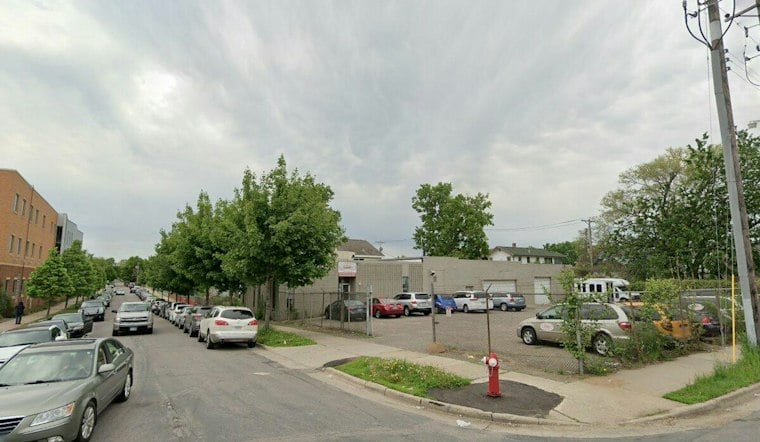
Agnew was shot near East 29th Street and Clinton Avenue South shortly before midnight on April 27, 2025, and later died at Hennepin County Medical Center, according to 5 EYEWITNESS NEWS. The complaint says two men approached Agnew as he walked with a rolling suitcase; investigators allege the men later took the suitcase and left.
What investigators say connects Bellanger to the case
The complaint describes surveillance video, recovered ammunition and forensic testing as central to the investigation. Police say a rifle found during an unrelated domestic-assault response at a Portland Avenue home contained DNA from Bellanger and another person, and that ballistics testing linked the weapon to rounds recovered at the shooting scene. Search warrants also reportedly recovered ammunition and clothing resembling what one of the gunmen wore, according to the charging record.
A witness identified Bellanger in the surveillance footage and told investigators he was a member of the Native Mob street gang, allegations that remain part of the investigative record rather than findings established at trial. Investigators also cited a recorded jail call in which Bellanger appeared to anticipate that DNA and ballistics evidence could implicate him, according to the complaint.
Charge and custody details remain important distinctions
The public descriptions of the charge are not identical. 5 EYEWITNESS NEWS described the case as a second-degree-murder charge, while the complaint identifies the first count as aiding and abetting second-degree murder with intent, not premeditated murder. Those descriptions concern the filed accusation; they do not establish guilt.
Bellanger had previously been released to electronic home monitoring after an alleged violation of a domestic-abuse no-contact order. The latest account cited here said he was not in custody at the time of reporting. Court proceedings, including any changes to his release conditions, could clarify that status.
The neighborhood context is narrower than a citywide trend
The Minneapolis Police Department reported on March 28, 2025—before Agnew's death—that East Phillips had year-to-date declines of 3% in gunshot incidents and 87.5% in gunshot-wound victims. Those figures describe a police-defined area and a period that ended before this killing; they do not show whether the Agnew case reflects a broader change in violence or establish anything about the alleged motive, participants or circumstances. The figures were published in an MPD update.
The city says its violence-prevention framework includes hospital-based intervention, services for youth and families, street engagement, community justice partnerships and community norm-change efforts. Those programs provide broader prevention context for Minneapolis, but the city framework does not attribute this shooting to any particular cause or claim that a specific program addressed it, according to the City of Minneapolis.





