

























































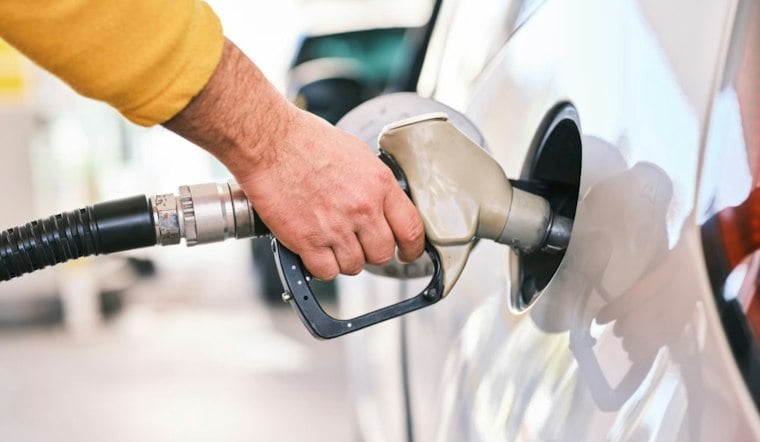
Minnesota gas prices hit another record high Thursday, climbing to $4.38 a gallon statewide — a 14-cent jump in a single day — as an ongoing conflict between the United States and Iran continues to rattle global fuel markets. Wisconsin drivers got hit even harder, watching prices leap 23 cents since yesterday to $4.34 a gallon.
According to 5 EYEWITNESS NEWS, crews checking gas stations across the Twin Cities metro found prices as high as $4.49 a gallon in St. Paul. That's a steep climb from just two weeks ago, when Minnesota prices had actually dropped below $4 a gallon heading into Labor Day weekend. Even so, Minnesota's average remains below the national average of $4.43 a gallon, per AAA data cited in the station's report.
Despite the sudden spike, regular unleaded in Minnesota is priced at $4.38 a gallon, while Y105FM reported a $4.76 record for the Twin Cities on June 15, 2022. Diesel fuel, however, has already broken new ground. AAA fuel tracking data listed Minnesota's average diesel price at $6.1832 a gallon on Wednesday. The KSTP report separately cited diesel at $6.24 a gallon and the national average at $6.40 a gallon, figures the supplied sources do not reconcile.
Why Diesel Is Outpacing Gasoline
Nationally, the U.S. average diesel price reached a record $6.23 a gallon on September 14, driven by Middle East geopolitical disruptions and tight global refinery capacity, according to research from J.P. Morgan. The Strait of Hormuz is a maritime choke point that handled roughly 20 percent of the world's petroleum transit before the current conflict, and disruptions there are adding pressure to global fuel markets.
That matters well beyond what drivers pay at the pump. Diesel fuel moves about 90 percent of U.S. freight tonnage and powers more than two-thirds of farm equipment, so rising commercial fuel costs tend to ripple into everyday consumer prices through higher shipping surcharges — what GasBuddy analysts cited by NPR call the “three Ts” of the economy: trains, tractors, and trucks.
Minnesota's Refineries and Tax Rates Shape the Local Price
Minnesota's baseline fuel prices are shaped in part by geography and tax policy. The Flint Hills Resources Pine Bend refinery in Rosemount processes 375,000 barrels of crude oil per day and supplies more than half of the state's total gasoline and diesel demand, making it the state's largest refinery. Minnesota's refinery network also includes Marathon Petroleum's St. Paul Park refinery in the Twin Cities metro. The two refineries are part of Minnesota's gasoline-supply infrastructure.
Taxes also factor heavily into what drivers see on the pump display. Minnesota's state motor fuel excise tax rose to 32.6 cents per gallon on January 1, which combined with the 18.4-cent federal excise tax brings total taxes to 51 cents on every gallon of regular unleaded sold in the state, according to Farmward Cooperative. Wisconsin's tax structure looks different: the state charges a 32.9-cent excise tax plus a 2-cent petroleum inspection fee, but lawmakers eliminated Wisconsin's inflation-indexing rule back in 2006, leaving its base rate frozen for two decades, according to Civic Media.
Part of a Broader National Pattern
Wednesday's spike follows a pattern of price volatility across the region throughout September, including an earlier Wisconsin price increase. Even before this latest surge, the national average for regular gasoline reached $4.22 a gallon on September 9, leaving drivers to contend with elevated prices over the Labor Day period.
The price volatility playing out at Minnesota pumps this month underscores the broader swings across the Upper Midwest. With diesel prices already breaking records in Minnesota and nationally, and shipping lanes through the Strait of Hormuz still disrupted, drivers and shippers alike are watching to see how much further the fallout from the conflict will spread through the regional economy.





