

























































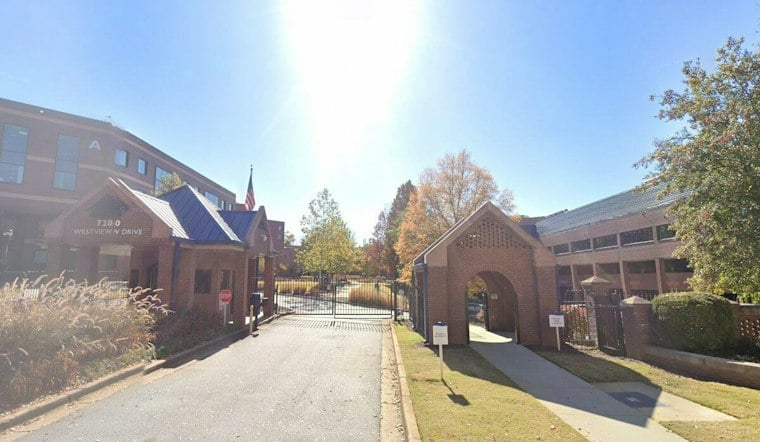
Some students at Morehouse School of Medicine are going without basic necessities, including food, as financial aid delays leave them waiting for money they were counting on to get through the semester. The scope of the problem and its precise cause remain unclear, but the impact on affected students appears to be immediate and personal.
The delays were first reported by CBS News Atlanta, which found that some students at the medical school are struggling to pay for basic needs including food while they wait on aid that has not arrived. The report does not specify how many students are affected, when the delayed funds are expected to be disbursed, or what exactly triggered the holdup.
Federal financial aid for students typically moves through a system known as Common Origination and Disbursement, which handles the origination, disbursement and reporting for Direct Loans and Federal Pell Grants, according to Federal Student Aid Partners. In practical terms, a disbursement is the portion of a federal loan that a school pays out by applying it to a student's account, as explained by Federal Student Aid. When that process stalls, students can be left without funds they had budgeted for rent, groceries or other essentials.
A Pattern Showing Up on Other Campuses
Morehouse is not the only school where financial aid delays have disrupted students' lives. At Rutgers, at least 40% of colleges reported that financial aid servicing problems had caused issues, with delays and outages tied to cuts and layoffs at the Department of Education, according to reporting by the Rutgers Gleaner. The same report noted that the One Big Beautiful Bill eliminated Grad PLUS loans and capped borrowing for professional degrees, including medicine, law and clinical psychology.
The consequences of aid delays have played out concretely elsewhere. A Rutgers–Camden student told the Gleaner she could not afford to return for the spring 2026 semester because of financial-aid problems, pushing back her graduation. Rutgers also raised tuition for the 2025–2026 academic year by 5% for in-state students and 6% for out-of-state students, according to the same report, adding financial pressure at a moment when aid processing was already strained.
Enrollment Fallout Seen at Columbia
Financial aid delays have also reshaped enrollment decisions at other institutions. Columbia's assistant vice president for undergraduate admissions said the college would not be able to award financial aid for several weeks amid FAFSA delays, according to the Columbia Chronicle. The school ultimately pushed back its decision and priority deposit deadline from May 1 to June 1 because of the holdup in the federal aid application system.
The fallout at Columbia was measurable: first-year applications dropped 11% and first-year deposits fell 49% as the delays disrupted enrollment decisions, per the Chronicle's reporting. Those figures illustrate how aid disruptions can ripple beyond individual hardship into broader questions about who can afford to enroll or stay enrolled at all.
What Remains Unknown at Morehouse
For now, key details about the situation at Morehouse School of Medicine remain unconfirmed. No official statement from the school, student account, or social media post detailing the delays has been made public. It is not known what caused the specific delays affecting Morehouse students, how many students are affected, how much aid is outstanding, or when the funds might arrive.
What is documented is narrower but no less serious: some students at the Atlanta medical school are currently struggling to cover basic needs, including food, while their financial aid remains delayed. Whether that hardship resolves quickly or drags on, as it has for students at other schools nationwide, is not yet clear.





