

























































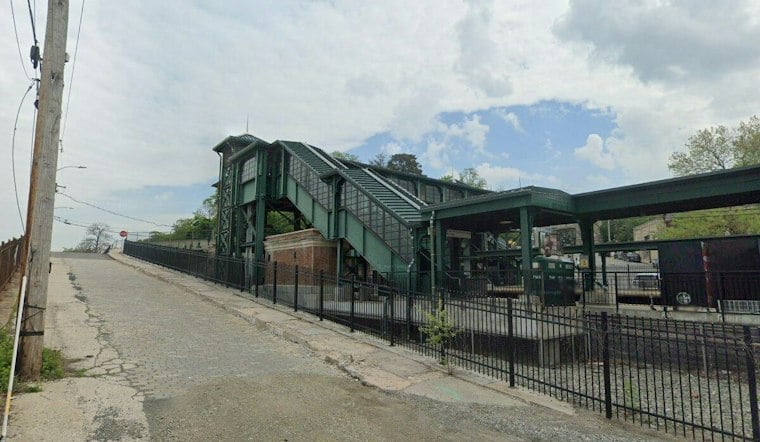
The MTA has outlined plans to protect Metro-North's Hudson Line against the effects of climate change.
Planning for Future Flood Risk
The MTA projects that flooding could put 80 percent of the Hudson Line at risk by the 2050s.
Those aren't distant abstractions for Hudson Line riders. Climate-related flooding and mudslides have periodically disrupted service on the corridor, and in July 2023, the Metro-North Hudson and Harlem lines were both shut down because of devastating flash floods, according to ABC7 New York. That station reported that MTA rail and subway lines have been increasingly impacted by weather-related issues in recent years, part of the reasoning behind a separate $6 billion MTA initiative addressing flooding and extreme weather across the broader transit system.
Part of a Larger Resilience Push
The MTA has detailed its Hudson Line Climate Resilience Blueprint. In an MTA press release, the agency described the Blueprint as focused on a 20-mile stretch between Riverdale and Croton-Harmon that it identified as especially vulnerable to extreme weather. The agency said the Blueprint would provide design guidance and actions to protect the entire Hudson Line, including target track elevations, shoreline standards and drainage performance criteria.
The MTA called the Blueprint a flagship project within its 2025-2029 Capital Plan, a $68.4 billion investment covering the region's subways, buses, railroads, bridges and tunnels, and described it as an outgrowth of the agency's broader Climate Resilience Roadmap. That roadmap also includes reducing coastal and rainfall flooding on the Metro-North and Long Island railroads and protecting infrastructure from extreme heat, per ABC7's reporting on the MTA's $6 billion flood-and-weather plan.





