

























































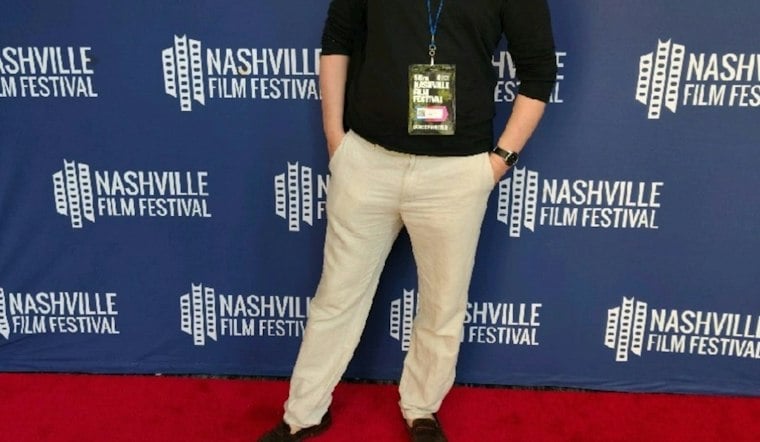
Nashville is in the midst of a week that matters well beyond Music City's borders. The 57th annual Nashville Film Festival runs September 24–30, packing in more than 150 films and 115 events, and is set to close with a party Wednesday night at the Belcourt Theatre.
What sets this festival apart from most regional film gatherings is its Oscar-qualifying status. According to News Channel 5 Nashville, the festival is one of only a dozen in the world that can qualify films for Oscar consideration, and under official rules for the 99th Academy Awards, winning short films in the narrative, documentary, and animated categories automatically become eligible without needing a standard theatrical release, per Oscars.org. That status turns a week of local screenings into an early stepping stone for awards season contenders, with the station reporting that films shown this week are expected to be part of the awards conversation early next year.
Jason Padgett, the festival's executive director, has helped steer the event as it drew audiences into direct contact with almost 100 independent filmmakers, offering question-and-answer sessions after screenings. Many of the films screened were first-run titles that had not screened in Tennessee before this week, the station's report notes.
Screenings Spread Across Music City
Rather than confining itself to a single theater, the festival screened films at multiple venues around Nashville, including the Regal Theater at Green Hills. The National Museum of African American Music, located on Broadway, hosted festival programming on Sunday, extending the event's footprint into the heart of downtown's entertainment corridor, per the same account.
For its 57th annual edition, the festival received over 3,800 submissions from more than 100 countries, programming over 150 films including 24 world premieres and drawing an estimated 15,000 attendees, according to an Underwood Manor guide. The 2026 lineup, announced by Nashville Film Festival, opened with the documentary Frampton, featuring rock icon and Nashville resident Peter Frampton in person, alongside regional selections including Sam Pollard's documentary The Lorraine, about Memphis's historic motel.
Roots Reaching Back to a Tennessee Farm
The festival's history stretches back further than most people realize. Founded in 1969 by Mary Jane Coleman as the Sinking Creek Film Celebration on a farm in East Tennessee, the event evolved into what is now the longest-running film festival in the American South, according to the Tennessee Encyclopedia. The festival later moved to Vanderbilt University before adopting its current name and format.
Industry recognition has followed that longevity. MovieMaker Magazine named the festival to its annual list of “50 Film Festivals Worth the Entry Fee” in 2026, as reported by Underwood Manor. Across its 14 film competition categories and screenwriting competition, the festival awards more than $100,000 annually in cash and in-kind sponsor prizes to independent creators, per FilmFreeway.
Industry Education Alongside the Screenings
The festival's Creators Conference ran from September 25 to 28, with workshops and panel discussions at the National Museum of African American Music and Nashville PBS.
The state's broader film economy provides context for that ambition. Motion picture and video production in Tennessee generated an estimated $728 million in 2024, representing a 43% economic expansion over five years supported by state film grants, per the Nashville Film Festival. The Tennessee Entertainment Commission also operates a dedicated Music Scoring Grant that reimburses production projects for hiring local Tennessee musicians, composers, and recording facilities, according to Arts Midwest, a policy designed to build cross-industry collaboration between film and music creators.
Details on schedules and tickets for future events remain available through the Nashville Film Festival, which provides its full calendar directly to the public.





