

























































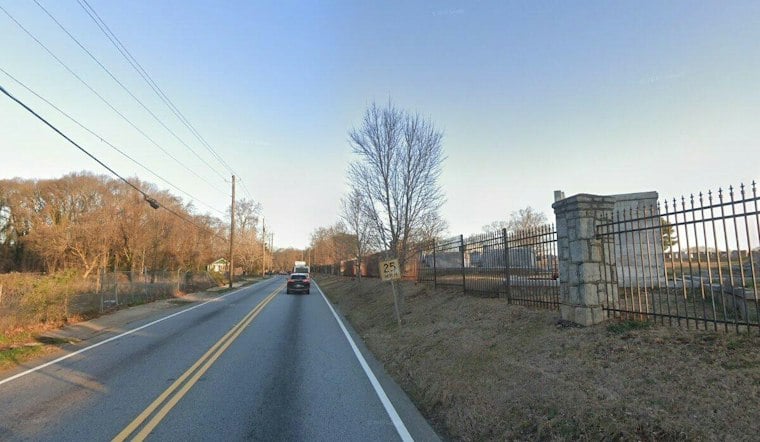
Nearly 100 graves have been located in a one-acre cemetery in Choctaw, Oklahoma, where volunteers believe some of the city's earliest Black residents and founders were buried without headstones. Genealogy groups now believe about 100 people are buried at Southview Cemetery, and they say more graves are likely still hidden beneath the grass.
Southview Cemetery was established around 1902 and designated for people of color, according to Rebecca Webster, speaking with KFOR. The burial ground contains the remains of people who helped found Choctaw itself, a city that grew up along the Choctaw Coal and Railway Company line after the April 22, 1889 Land Run — a distinction that makes it, according to the City of Choctaw, the oldest chartered city in Oklahoma. Yet for decades, the cemetery has sat with few markers to show who is actually buried there.
Over the years, the few gravestones families could originally afford were removed, according to the report, while others simply deteriorated in bad weather or were vandalized outright. The City of Choctaw now maintains the grounds, but that upkeep hasn't restored the missing names. Webster said the groups working the site expect to find even more graves as the search continues, per the same account.
A Multi-Group Search Effort, Guided by Dowsing Rods
To locate burials without visible markers, several genealogy and heritage organizations teamed up on the ground search: the United Daughters of the Confederacy, the Sons of Confederate Veterans, the Daughters of the American Revolution, an Edmond genealogy group, and the Oklahoma Home and Community Education genealogy group all took part, the station's report notes. The search was guided by Dr. Jan Beattie, described as a dowsing rod expert, who directed volunteers as they walked the property.
Dowsing, or the use of divining rods to detect buried remains, remains common in informal genealogy circles, though it lacks scientific backing. A blind study cited by the FBI Law Enforcement Bulletin found that dowsing rods performed no better than random visual inspection when searching for buried human remains, showing no statistically significant accuracy. Preservationists elsewhere increasingly turn to non-invasive tools like ground-penetrating radar and aerial drone mapping to confirm unmarked graves without disturbing the soil, according to SeeScan.
Despite that gap between folk method and forensic science, the volunteers pressed on Thursday and turned up close to 100 graves before the heat forced them to stop for the day. The remaining work — an estimated 100 additional graves — will wait until cooler weather returns, organizers said.
Piecing Together Names From Family Records
Identifying who actually rests beneath each plot is the harder task ahead. Genealogy groups say they need help from families and descendants, who may hold death certificates or family bibles that could confirm names tied to specific graves. Volunteers have already turned up obituaries for some of the individuals believed to be buried at the site, giving them a starting foundation to work from.
Historical cemetery listings for Oklahoma County have recorded the site under an older name, the “Negro Burial Association Cemetery,” noting it lacked standing headstones even while under municipal care, according to Genealogy Trails. The cemetery's history intersects with the broader history of emancipation and Reconstruction in Indian Territory.
Building a Memorial and Navigating State Law
The genealogy groups plan to use grants to fund a permanent memorial listing the names of everyone confirmed buried at Southview. One available avenue is the Oklahoma Historical Society's Oklahoma Heritage Preservation Grant Program, which offers competitive awards between $500 and $20,000 to municipalities and nonprofit historical organizations for preservation work. The Oklahoma State Historic Preservation Office also has cemetery information and a session for cemetery stewards.
Oklahoma law also shapes what happens next at Southview. State statute treats willful destruction, defacing, or removal of tombstones, monuments, fences, or plants in a cemetery as a misdemeanor, punishable by fines between $50 and $5,000, up to six months in county jail, or both — a legal backdrop relevant given the vandalism the cemetery's markers have suffered over the years. Separately, relatives of the deceased have a statutory right of reasonable access to visit abandoned cemeteries on private land, provided they make a good-faith effort to notify property owners beforehand, while unused burial plots can revert to cemetery management after 75 years following a formal heir search involving certified mail and public notice in a local newspaper.
For Webster, the effort comes down to a simple principle. “They deserve as much honor as anybody else,” she said.





