

























































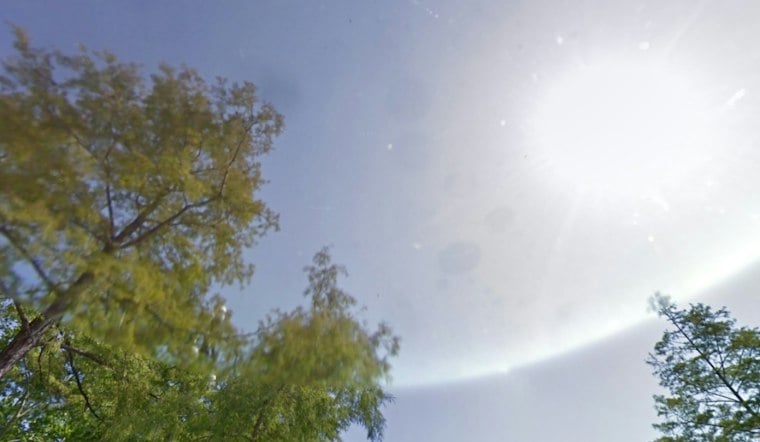
New Orleans is heading into several hot days, with Sunday’s high forecast near 91 degrees and the heat index potentially reaching 100 to 105 degrees. The pattern should remain mostly dry through the first part of the week, although isolated afternoon storms could still bring a brief downpour or gusty wind. The National Weather Service says no watches or warnings are in effect.
Hot, But Close To The Early-September Baseline
Forecast highs near 91 to 93 degrees from Sunday through Tuesday would be uncomfortable, especially with warm overnight lows in the upper 70s, but they are not far outside the seasonal benchmark. For Sept. 5, the New Orleans climate normal maximum is 90 degrees, while the record is 97 degrees, set in 2000 and 2019, according to the National Weather Service New Orleans/Baton Rouge.
That comparison places the immediate forecast just above the normal high and below the date’s record. It does not show how often September reaches 90 degrees, whether hot days are becoming more common, or whether this week’s conditions are part of a longer-term trend.
Rain Is Possible, Even During The Dry Stretch
Sunday’s better storm chances are expected inland and north of Interstate 10, leaving New Orleans more likely to stay dry. Monday and Tuesday should be sunnier and hotter, while additional showers or thunderstorms remain possible later in the week as wind and moisture patterns change, the National Weather Service forecast discussion says.
That means the week is better described as mostly dry than rain-free. Even a low storm probability can produce a localized downpour, lightning or a sudden wind gust, particularly near developing afternoon or sea-breeze storms.
Know The Warning Signs Of Heat Illness
Several afternoons near or above 90 degrees, combined with nights that offer limited cooling, can make outdoor work and exercise more taxing even when no heat advisory is posted. Anyone spending time outside should plan breaks in shade or air conditioning, drink fluids and avoid treating the absence of an official warning as proof that conditions are harmless.
For possible heat exhaustion, the CDC Yellow Book recommends stopping activity, resting in a shaded or cool place and drinking fluids containing water, glucose and salt. Heat stroke is life-threatening; confusion, loss of coordination or other altered mental status requires urgent medical help while cooling measures begin.
The forecast is therefore a familiar early-September heat spell rather than a documented record event: temperatures are near the seasonal norm, storm chances have not disappeared, and the available date-specific comparison does not establish a broader climate trend.





