

























































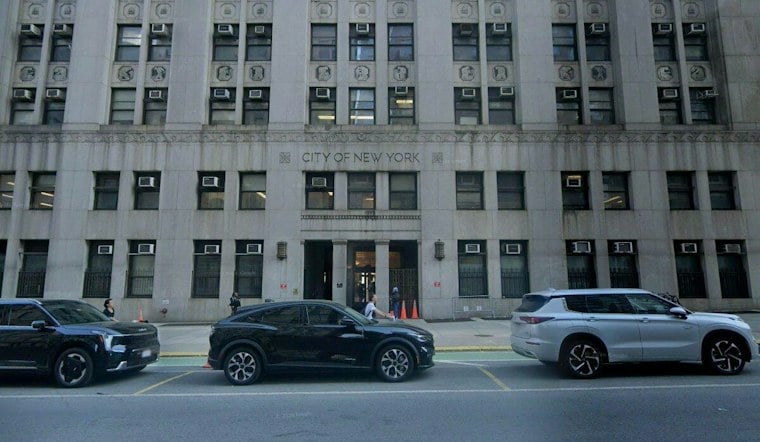
New York City is moving to more than double the fine for tossing needles and syringes in the regular trash, proposing a jump from $100 to $250 as sanitation workers keep getting stuck on the job. The city says workers with the Department of Sanitation have been struck by improperly discarded needles more than 140 times over the past three years. A virtual public hearing on the proposed penalty increase was scheduled to begin at 10 a.m. Friday, with written comments accepted through the end of the day.
The proposal, first reported by PIX11, comes straight from DSNY, the New York City Department of Sanitation, which tracks the more-than-140 needle-stick figure among its own crews. Under current rules, needles and syringes cannot go in with regular household trash at all. Instead, New Yorkers are required to place them in a separate, properly labeled container, which can be an actual sharps container or something as simple as a repurposed laundry detergent bottle.
A Possible Link to GLP-1 Drugs
Part of what's driving the conversation around this proposal is the rise of injectable GLP-1 drugs, which are increasingly used by New Yorkers for weight loss and diabetes management. The station's report notes that this kind of injectable drug use is associated with additional needle-stick risk for sanitation workers, who can end up handling syringes that weren't bagged or bottled properly. Still, it's worth being precise here: the DSNY proposal itself does not attribute the increase in needle incidents specifically to GLP-1 users. The connection is being drawn around the edges of the story, not baked into the city's actual justification for the fine hike.
More Than a Physical Risk
City leaders say the danger of a needle stick goes beyond the immediate physical injury for DSNY employees. A stray needle in a garbage bag or recycling bin can turn an ordinary collection run into a health scare, forcing a worker to deal with the uncertainty of what they may have been exposed to. That's the underlying rationale behind pushing the penalty higher, from $100 up to $250 per violation, according to the DSNY proposal.
What Happens at the Hearing
The virtual public hearing on the proposed penalty increase was set to run Friday, with the city also collecting written comments through the end of the day. It's the formal step New York City needs to take before officially raising the fine, giving residents and advocates a chance to weigh in on the change before it's finalized.
For context on how seriously other jurisdictions treat sharps disposal, the Wisconsin Department of Natural Resources notes that it is illegal there to put sharps in the trash or with recyclables, and that they must be packaged safely and treated through an authorized method. That guidance reflects Wisconsin's own rules rather than New York City law, but it underscores that the basic problem, sharps ending up where sanitation workers don't expect them, isn't unique to the five boroughs.




