

























































The ConsumerAffairs ranking points to a particular weakness in Oklahoma City’s transit network: usefulness and accessibility. The city scored 31.36 out of 100, placing last among the nation’s 50 largest cities in a report that graded affordability, operational safety, usefulness and accessibility.
The Fort Worth Star-Telegram reported that Oklahoma City had the lowest usefulness and accessibility score among the metros studied. Its average fare ranked 22nd, one comparatively strong measure. San Francisco-Oakland ranked highest overall, while New York had the highest transit ridership.
Oklahoma City wasn't alone at the bottom. Indianapolis, Jacksonville, Memphis, Columbus and Buffalo were also listed among the other low-scoring cities, according to the same report. Raleigh, North Carolina, meanwhile posted top affordability and safety scores, a reminder that the ranking wasn't just about big-city size or budget constraints.
City Says Change Is Already Rolling
Mayor David Holt acknowledged longstanding transportation challenges but said the city’s transit momentum is moving in the right direction. He pointed to recent and planned projects, including work funded in part by MAPS 4, which dedicated $97 million to Oklahoma City public transit.
The city has launched its first bus rapid transit line and added Sunday and holiday service. The RAPID NW line reached one million riders at the end of 2025 and has averaged 1,400 daily riders since December 2023, according to the Star-Telegram’s account. Transit official Jesse Rush said the line serves a range of trips, including commutes, shopping, dining and Thunder games.
More Buses and Bus Stops on the Way
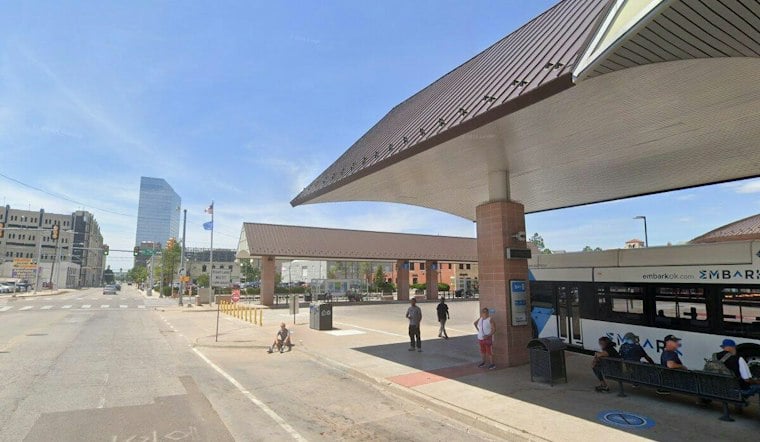
The city is also upgrading its bus stops, with plans covering hundreds of locations across the network. MAPS 4 funding plans to improve 500 of Oklahoma City's 1,400 EMBARK bus stops, with the upgrades estimated to cost $11.2 million and expected to include ADA-accessible shelters, bicycle racks and lighting. MAPS 4 also plans more buses for the system, with additional vehicles projected to cost $13.4 million.
Oklahoma City is also pursuing a second bus rapid transit corridor intended to serve the northeast and south sides and connect key destinations and communities. Future planning and land acquisition for the expansion are expected to cost more than $5 million, including the purchase of land next to EMBARK’s operations center on South May Avenue. Officials are studying further ways to expand transit and have looked to Salt Lake City’s FrontRunner commuter rail system for ideas to address traffic associated with regional growth.
Ridership Still Hasn't Recovered
New investment has not yet translated into a sustained ridership increase. Oklahoma City transit ridership has declined since fiscal year 2023-24, after partially recovering from the pandemic-era drop experienced by transit systems nationwide. Bus passenger counts have also missed the year-end target every year since fiscal year 2019-20, according to the Star-Telegram.
What EMBARK’s records show
EMBARK’s 2025 Title VI Program Update says RAPID NW began operating in December 2023 and runs seven days a week, with buses arriving every 12 to 15 minutes, primarily along Classen Boulevard and Northwest Expressway. Those service details offer a measure of what the corridor provides, alongside the broader ridership figures.
The documented planning history also needs a date attached: in May 2023, EMBARK reported that the city and agency were planning two additional RAPID lines. That statement records plans at the time; it does not confirm whether those lines have since been approved or begun construction.
The average resident boarded transit just 3.4 times in 2024, a figure that underscores how much work remains even as new lines and services come online. Still, not every part of the system is struggling: the Oklahoma City Streetcar has experienced positive growth since the pandemic, and it offered free rides across the city on June 23, 2026, giving residents a low-stakes chance to try the service.
Whether the bus rapid transit expansions, the bus stop overhaul and the added weekend service are enough to lift Oklahoma City out of last place remains an open question. Mayor Holt said one additional transit project is almost ready for public consideration, suggesting the city's response to its last-place ranking is still taking shape.


