

























































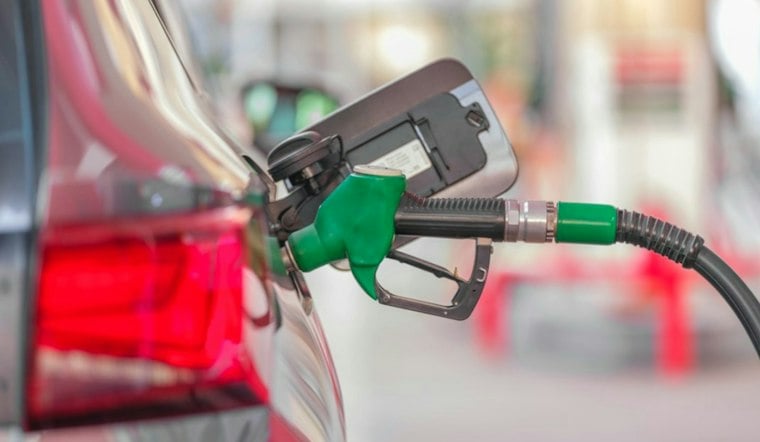
Diesel fuel in Oklahoma is edging toward $6 a gallon, and the sticker shock is rippling well beyond the pump. At a QuikTrip in Owasso on Friday, regular gas was priced at $4.19 per gallon, even as the state treasury logged a record 12-month total in tax collections.
That contrast — pain at the pump paired with a flush state budget — is at the center of a report from Tulsa World Capitol bureau writer Steve Metzer, who notes that Oklahomans are continuing to spend despite inflation touching everything from hamburger meat to blue jeans. Statewide, AAA fuel tracking put the average price of regular unleaded at $4.15 per gallon as of Thursday, according to AAA. In August, Oklahoma's statewide diesel average was $5.03.
The jump looks even steeper against last year's numbers. Diesel averaged just $3.27 per gallon in Oklahoma in September 2025, according to OK Energy Today, meaning haulers are now paying nearly double what they were a year ago. Freight companies including Arkansas-based J.B. Hunt Transport Services reported this month that near-term fuel cost pressures are outpacing pricing gains as diesel hit $6 a gallon in the state, the outlet reported — a squeeze that tends to pass through to the cost of groceries, apparel, and other goods trucked into Oklahoma communities.
State Treasury Keeps Growing Even as Households Feel the Pinch
Despite the fuel spike, Oklahoma's state finances remain notably stable. Oklahoma State Treasurer Todd Russ said higher fuel costs do not just affect what people pay at the pump — they also increase the cost of moving goods, put pressure on businesses, and can be reflected in consumer prices, according to the Tulsa World report. Yet Russ also reported that 12-month rolling gross state tax receipts reached a record $18.0 billion through August, a 6.1% year-over-year increase, as detailed by the Seminole Producer.
Energy markets are a big part of that resilience. Gross production tax revenues from oil and natural gas rose 27.2% year-over-year in June to $113.4 million, bolstered by elevated international energy prices, per Oklahoma Energy Today. Individual income tax collections also grew, climbing 12% to $7.16 billion for Fiscal Year 2026 even after the state's top rate dropped from 4.75% to 4.5% at the start of the year, according to the Oklahoma Council of Public Affairs, which reported inflation-adjusted growth of 9.5% in individual income-tax collections for the first six months of 2026. Governor Kevin Stitt signed a $12.82 billion budget for Fiscal Year 2027 in April, authorizing a 1.5% spending increase and creating a Taxpayer Endowment Fund, per the National Association of State Budget Officers.
Highways Feel the Squeeze Revenue Growth Hasn't Solved
None of that fiscal cushion has spared Oklahoma's roads. The state highway system carries more than $30 billion in identified needs, and inflation is eroding the Oklahoma Department of Transportation's buying power and its ability to keep projects on schedule, per the Tulsa World report. Highway construction costs surged 63% between 2020 and 2025 — compressing 18 years of expected inflation into just three, according to Fox 23 News reporting cited by Roads & Bridges, which noted ODOT Director Tim Gatz said the cost surge forced agency leaders to re-evaluate investment strategies and project timing.
In response, the Oklahoma Transportation Commission approved an updated 2026–2033 Eight-Year Construction Work Plan valued at nearly $8 billion that added no new projects and pushed several existing ones past the eight-year window, according to Oklahoma.gov. That plan still covers 1,266 projects targeting 209 at-risk bridges and 2,810 lane-miles of fair or poor pavement. The strain is especially visible in ODOT District 8, covering northeastern Oklahoma, where rising material and labor costs delayed or thwarted 106 out of 141 planned highway projects in late 2025, Public Radio Tulsa reported, with district officials noting earlier budget estimates fell well below actual construction inflation.
Part of the funding gap traces back to Oklahoma's fuel tax rate itself. The state levies a 19-cent-per-gallon excise tax on both gasoline and diesel, according to the Tax Foundation.
Taken together, the numbers paint a state where the treasury's bottom line looks healthier than ever, even as the physical infrastructure that keeps goods and commuters moving falls further behind rising costs. For now, Oklahoma officials are watching fuel costs closely while state revenues hold steady — a balance that, as diesel prices climb, may not last indefinitely.


