

























































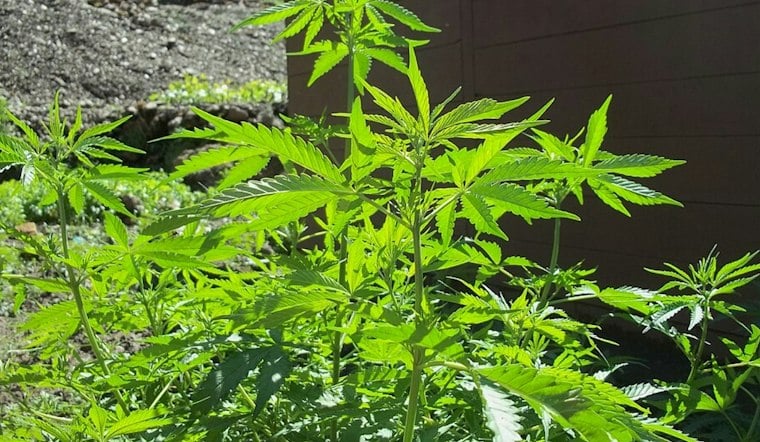
Oklahoma legalized medical marijuana in 2018 with voter approval of State Question 788, and within a few years the state had more than 9,000 licensed grow facilities. Now officials say as many as 6,000 of those operations have been shut down, sold, or simply abandoned, leaving behind trash, chemical containers, and agricultural debris that regulators warn is leaking pesticides and chemicals into soil and groundwater.
A Fast-Growing Industry Outpaces Oversight
According to the Kansas City Star, State Question 788 required the Oklahoma Medical Marijuana Authority to issue licenses within 60 days of application, a timeline that fueled explosive growth but left the agency scrambling to keep pace. Governor Kevin Stitt appointed Adria Berry in 2021 to lead the agency, which has since built a quality assurance laboratory and deployed field inspectors tasked with testing legally grown marijuana for potency and harmful chemicals. Republican state Sen. Darcy Jech of Kingfisher said Oklahoma once had roughly 9,400 marijuana grows and now has fewer than 1,800 remaining, per the same account.
The gap between those numbers and the state's original licensing boom is where the trouble lies. Brian Surber testified before the state House in October that operators may have abandoned as many as 6,000 grows, the newspaper reports, and officials have separately estimated that the same number of operations were either shut down, sold, or simply walked away from.
Straw Owners and Shuttered Businesses
Complicating the picture, out-of-state marijuana owners paid Oklahoma residents to falsely claim 75 percent ownership of grow operations in order to meet residency requirements, according to the Star's reporting. The Oklahoma Bureau of Narcotics has shut down businesses operated through these straw ownership schemes, though the scale of enforcement against the practice was not detailed further in the report.
Sheriff Jim Mullett reported that Garvin County, which covers approximately 800 square miles, had 470 marijuana grows in 2021. Mullett and partner agencies have since cut that number down to 33, the outlet notes, a steep reduction that hints at how widespread the licensing free-for-all became in rural counties across the state.
No Bonds Collected for Cleanup
Oklahoma lawmakers have not dedicated a funding stream to pay for cleaning up abandoned grow sites, even though state officials required marijuana growers to obtain cleanup bonds. Oklahoma law, following passage of Senate Bill 913, required license holders to submit proof of a $50,000 cleanup bond starting in 2023. Yet Berry said the state has not collected a single bond to pay for cleaning up derelict grows, according to the Star, and has acknowledged that the agency has revoked licenses without ever collecting on the bond requirement.
That failure leaves individual landowners holding the bag. In rural Holdenville, Pat Foor was tied to an abandoned marijuana grow. Civil forfeiture law allows authorities to seize money or property used for illicit activities, but land seized from illegal grows is difficult to sell because potential environmental hazards deter buyers.
Chemical Contamination and a Pesticide Fight
Marijuana grow chemicals can leach into groundwater and local watersheds, and abandoned Oklahoma grow sites specifically have been found to leak pesticides and chemicals into soil and groundwater. The Oklahoma Medical Marijuana Authority's laboratory can currently test for 13 pesticides and also tests findings submitted by other laboratories.
Regulators proposed expanding the pesticide list to 60, but lawmakers rejected the rules, per the Star. Separately, Oklahoma authorities charged two men in Muskogee in July 2026 with smuggling illegal pesticides from China.
A Problem Playing Out Beyond Oklahoma
Oklahoma is not alone in confronting the fallout from illicit marijuana cultivation. In California, Siskiyou County declared a state of emergency in July 2025 over illegal grows using illegal pesticides. Siskiyou County agencies reported seizing 60,190 illicit marijuana plants and 4,938 pounds of processed marijuana product during 2020 alone, according to Siskiyou Daily News, with raids that year producing 24 arrests, two firearm seizures, and more than $65,000 in suspected drug money. The county's enforcement division also logged 61,599 plants seized in 2019 alone, and the federal Drug Enforcement Administration has provided most of the funding behind those counter-drug operations.
Back in Oklahoma, a hearing scheduled for October 6, 2026, will discuss jurisdiction and funding for cleaning up abandoned grow sites, the Star reports. Until then, the state's patchwork of revoked licenses, uncollected bonds, and contaminated land remains an unresolved liability that county sheriffs, landowners, and regulators are left to sort out largely on their own.


