

























































Oregon renters should brace for rent increases of up to 10% in 2027, according to the Oregon Department of Administrative Services, which issued the notice on Monday. That figure marks a jump from this year's 9.5% cap and returns the state to the hard ceiling set under its 2019 rent stabilization law.
As reported by The News Tribune, Oregon became the first state in the nation to pass statewide rent control in 2019, capping annual rent increases at 7% plus the Consumer Price Index. That formula produced a 9.9% allowable increase in 2022 and spiked to 14.6% in 2023 as inflation surged, according to the Oregon Office of Economic Analysis. Lawmakers responded with Senate Bill 611, which capped increases at the lesser of 7% plus CPI or a flat 10%, a ceiling the state's calculated allowable increase hit in both 2024 and 2025 due to elevated West Region inflation, according to the Oregon Capital Chronicle.
Who the State Cap Actually Covers
Not every rental in Oregon falls under this ceiling. Statewide rent increase limits apply only to residential properties older than 15 years, leaving newly constructed buildings exempt as an incentive for developers, per Oregon Revised Statutes Section 90.323. Landlords also cannot raise rent during a tenant's first 12 months of occupancy and are limited to one increase every 12 months, according to the Oregon State Bar. Separately, House Bill 3054 established a 6% cap for mobile home parks and floating home marinas with more than 30 spaces.
Procedurally, landlords must give tenants at least 90 days of written notice before any increase takes effect for existing month-to-month or renewed tenancies, according to the Portland Housing Bureau. The rent cap may still apply when a new tenant moves in, depending on how the prior tenancy ended.
Portland's 10% Trigger for Relocation Payments
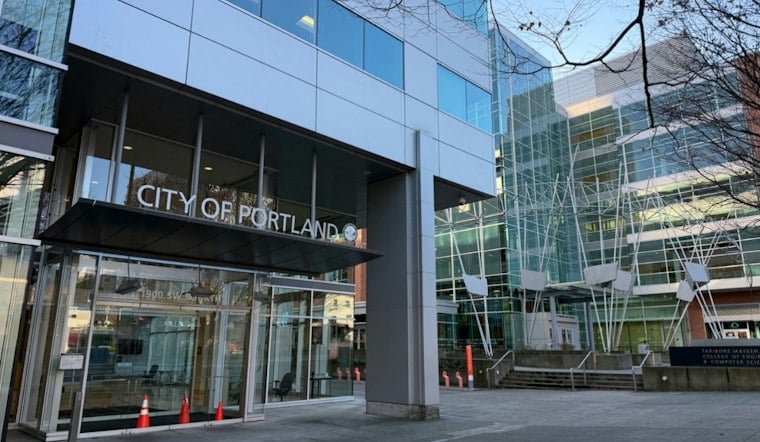
In Portland, the same 10% figure carries extra weight. Under Portland City Code 30.01.085, if a landlord raises rent by 10% or more over a 12-month period, the tenant can choose to move out and demand mandatory landlord-paid relocation assistance ranging from $2,900 to $4,500 depending on unit size, according to the Portland Housing Bureau. That threshold effectively turns the state's new 2027 ceiling into a financial trip wire for Portland property owners who push increases to the maximum.
Oregon Revised Statute 91.225 bars cities from passing rent-control ordinances. Portland also has relocation-payment rules.
Tenant Advocates Push for a Lower Bar
The debate over that threshold is already playing out at city hall. In September, Portland's Housing and Permitting Committee held a public hearing where tenant advocates urged the city to lower its mandatory relocation assistance trigger from a 10% rent increase down to 5%, according to Oregon Local Government Reporting, though no formal ordinance was introduced. Whether the city eventually acts on that push, and how small property owners facing rising operating, tax, and maintenance costs will adjust rents without triggering relocation obligations, remain open questions.
The Oregon Department of Administrative Services is required to calculate the maximum annual rent increase percentage by September 30 each year. Property owners must comply with the state's rent-cap limits and notice requirements. The News Tribune report was authored by Dianne Lugo, who covers the Oregon Legislature and equity issues, and originally appeared in the Salem Statesman Journal.





