

























































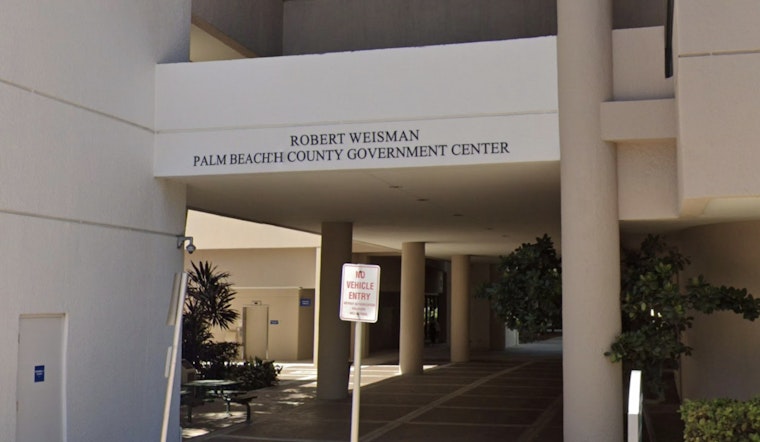
Palm Beach County commissioners voted 6-0 Tuesday to delay a sweeping rewrite of the county's animal care ordinance after licensed hobby breeders pushed back hard on proposed fee hikes, mandatory home inspections, and tighter litter limits. The rewrite would have raised annual hobby breeder permit fees from $150 to $400, a jump breeders say could backfire on the very goal county officials say they're chasing.
According to WPBF 25, the vote postpones the ordinance rewrite so breeders and county staff can work through disputed language before it returns for consideration in October or November. Reporter Caleb Califano's account describes a public hearing where licensed breeders argued that several provisions in the draft needed further review before commissioners sign off. Stephanie Sejnoha, the county's public safety director, told commissioners that identifying unlicensed breeders — whom she called “backyard breeders” — is the ordinance's main focus, not penalizing people who are already following the rules.
Why the Fee Hike Is Raising Alarms
The proposed increase from $150 to $400 is meant to help cover the $66,000 it costs the county each year to administer its hobby breeder program, according to county documentation cited by the The Cat Fanciers' Association. But hobby breeders argue that a 166% increase could discourage people from becoming licensed breeders in the first place, and some warn it could push owners toward illegal breeding practices instead — the exact outcome the county says it wants to prevent, per WPBF's reporting.
Lorna Menaker, a licensed hobby breeder in the county, said responsible breeding requires people to know they will take good care of their animals. She also raised a separate objection to the ordinance's inspection requirement, saying that tying a required home visit to a hobby breeder's license raises privacy and Fourth Amendment concerns. Menaker believes greater home access for animal care officers could violate those rights, and she argued it could actually make it harder to identify unlicensed breeders, since the added scrutiny would fall on people already registered with the county rather than those operating off the books.
Mandatory Inspections and a New 'Illegal Breeder' Label
Under the draft, licensed hobby breeders would need to submit to at least one home inspection per year by animal care officers just to renew their permits, according to the Cat Fanciers' Association. The rewrite also creates a formal “illegal breeder” designation for anyone caught breeding without a permit — those owners would be required to sterilize their animals within 30 days of notice and would be barred from obtaining a hobby permit for a full year.
The proposal would also lower the bar for who needs a permit at all. As the American Kennel Club notes, residents simply keeping an unspayed female and an unneutered male dog over six months old — or cats over four months old — together in the same household would need a county breeding permit even without any intent to breed them. Separately, the maximum allowed litters per household would drop from up to two per year to just one, a change the AKC says reclassifies many small-scale breeders as commercial operators under the new thresholds.
Broader Rules on Dangerous Dogs and Pet Sales
The ordinance rewrite extends well beyond breeder rules. It introduces an “aggressive dog” classification for pets that cause severe injury or death to another animal off-property, and it would require $100,000 in liability insurance along with posted warning signs for owners of dogs classified as dangerous, according to BocaNewsNow.com. The same draft would bar retail pet shops from acquiring dogs or cats from suppliers with recent USDA violations and would prevent local rescues from importing out-of-state animals without a valid veterinary inspection certificate.
New humane care standards are tucked into the rewrite as well, outlawing the tethering of unattended dogs to stationary objects and prohibiting owners from leaving dogs or cats outdoors when temperatures drop below 45 degrees Fahrenheit, per the same BocaNewsNow report. Not everything in the draft has drawn objections — breeders have voiced support for expanded rabies tag options and for microchipping requirements included in the rewrite.
A Twenty-Year-Old Code Facing Its First Major Rewrite
The current rules date back to Ordinance 98-22, amended in 2003 and 2005, which capped hobby breeding at two litters or 19 animals per household per year — a framework that Palm Beach County has operated under for more than two decades. County officials describe the broader package as an effort to align local code with state law while modernizing enforcement tools available to animal care officers.
The push for reform comes as the county's Animal Care and Control department manages a heavy caseload. The agency broke ground in January on a new facility designed to expand lifesaving programs for the 10,000 to 12,000 animals its shelter operations process each year, according to PGAL. That volume underscores the stakes for county leadership as it tries to distinguish problem operators from responsible pet owners.
For now, the ordinance rewrite remains on hold. Commissioners' unanimous vote to postpone gives Sejnoha's department and breeders like Menaker a window through the fall to negotiate compromise language before the issue returns to the board in October or November, according to commission statements relayed by WPBF.





