

























































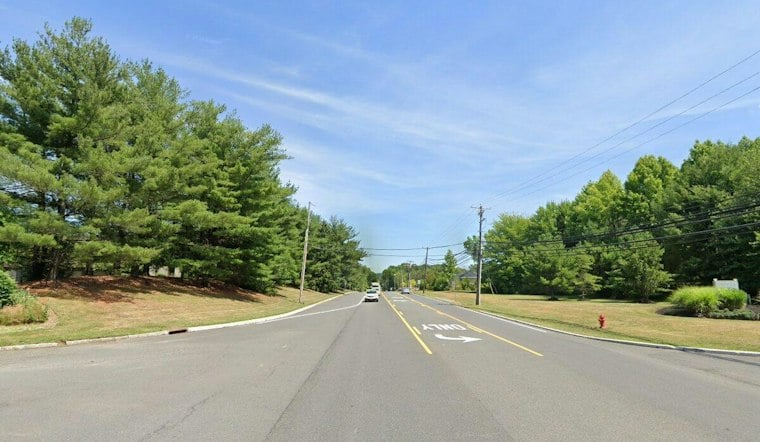
A pickup truck struck two pedestrians as they were on southbound Route 34 near Highview Terrace in Old Bridge early Monday morning, killing one and leaving the other with serious injuries. The crash happened shortly after 6 a.m., turning what should have been a routine Monday commute into a fatal scene along one of Middlesex County's busiest highways.
According to nj.com, the crash occurred on the southbound side of Route 34 near the corner of Highview Terrace at 6:09 a.m. on September 21. Emergency responders pronounced one pedestrian dead at the scene, while paramedics transported the other to an area hospital, the outlet reported.
The driver stopped after striking the two pedestrians, per the same report. Old Bridge police said the investigation into the crash remains active and are asking anyone with information to contact Officer Francis Landi. As of now, no driver identity, age, citation, or charge has been released, and details about the victims' identities have not been made public.
What New Jersey Law Requires of Drivers After a Crash
Separate from the specifics of this case, New Jersey law lays out clear obligations for any driver involved in a collision that causes injury or death. According to the statutory text on law.justia.com, a driver knowingly involved in such an accident must immediately stop the vehicle at the scene. Simply stopping, however, only establishes that a driver met a basic legal duty; it does not by itself determine who was at fault for the collision.
Leaving the scene of a crash that causes personal injury carries real consequences under New Jersey's licensing system. The state's Motor Vehicle Commission points schedule, published at nj.gov, lists that violation under N.J.S.A. 39:4-129 and assigns it 8 points, underscoring how seriously the state treats a driver's duty to stay put and, where necessary, arrange aid for anyone hurt.
How Fault in Pedestrian Crashes Gets Determined
In pedestrian collisions generally, questions of fault often hinge on factors like whether a pedestrian was in a marked or unmarked crosswalk, whether traffic signals were functioning at the time, and whether the driver had a clear line of sight. None of those specific circumstances have been established for the Old Bridge crash, and the evidence available does not indicate how liability might ultimately be divided between the parties.
New Jersey follows a modified comparative negligence rule, meaning an injured pedestrian or a deceased pedestrian's estate can still recover damages as long as the pedestrian is found not more than 50 percent responsible for the crash. After a crash, people may contact police and record details of the accident.
For now, the circumstances that led to Monday's crash on Route 34 remain under review by Old Bridge police, and no additional details about the crash, the victims, or the driver have been confirmed beyond what has already been reported.





