

























































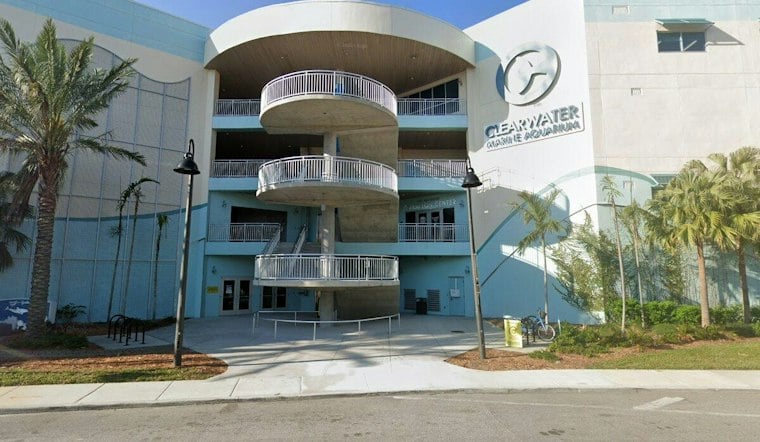
Before the sun comes up over Pinellas County, a team from Clearwater Marine Aquarium is already walking the sand, scanning for the telltale tracks that mean a sea turtle came ashore overnight. The nesting season runs through October, and this season the group's early mornings paid off with 405 recorded nests, the highest total in years.
According to City of Clearwater Government on Facebook, the aquarium's Sea Turtle Nesting Team is out on the beach before sunrise every morning during the season, covering 21 miles of shoreline along North Pinellas County. Per Clearwater Marine Aquarium, those patrols actually begin April 15 and reach the beach just before sunrise seven days a week, ahead of a nesting season that officially extends from May 1 through October 31. The team's job each morning is to search along the high-tide line for evidence of nesting activity and figure out whether an actual nest was laid or a false crawl occurred, when a turtle comes ashore but doesn't lay eggs.
Tracks, Measurements and a Record Season
Once a nest is confirmed, the aquarium's account explains that the team marks it and collects measurements from the site so it can be monitored throughout the season. That daily grind, carried out by biologists, volunteers and interns who survey the beaches to identify tracks and gather data, is how the group landed on this season's headline number. The aquarium recorded 405 nests in 2026, a total it called the highest in years, along with 613 false crawls, according to a report from FOX 13 News.
Nest totals were up sharply from the prior year. FOX 13 reported 2024 nest totals at 271; the aquarium's own account puts 2023 totals at 227. FOX 13 News reported that the 405 nests and 613 false crawls each landed more than 100 above the seasonal average, and the outlet's report also cited the nesting team's observation that turtles tend to follow a three-year pattern: nesting one season, then taking a two-year break before returning. The same report noted the team's belief that some of the increased activity locally may be tied to other nesting areas being hit harder by hurricanes elsewhere.
Why the Patrols Matter for Hatchling Survival
The stakes behind all that pre-dawn walking are steep. Roughly one in 1,000 hatchlings survives to adulthood, according to Axios. Clearwater Marine Aquarium's own materials explain that artificial lighting can disorient nesting turtles and hatchlings, while human-related hazards like litter, beach furniture, holes in the sand and sandcastles can obstruct hatchlings' path to the water.
The team primarily observes loggerhead nesting activity in Pinellas County, and it tracks not just nest counts and false crawls but also hatchling disorientation events, predation, obstructions and human impacts, data that gets reported annually to the Florida Fish and Wildlife Conservation Commission and Pinellas County.
What the Law Says About Disturbing Nests
Marine turtles in Florida are protected under federal law, according to the Florida Fish and Wildlife Conservation Commission. Clearwater Marine Aquarium's materials also refer to authorization for its own work involving marine turtles.
Anyone looking to track how this season compares can find nesting season information on Clearwater Marine Aquarium's website. For now, the record set last season stands as the benchmark the team's early mornings on the sand were measured against.




