

























































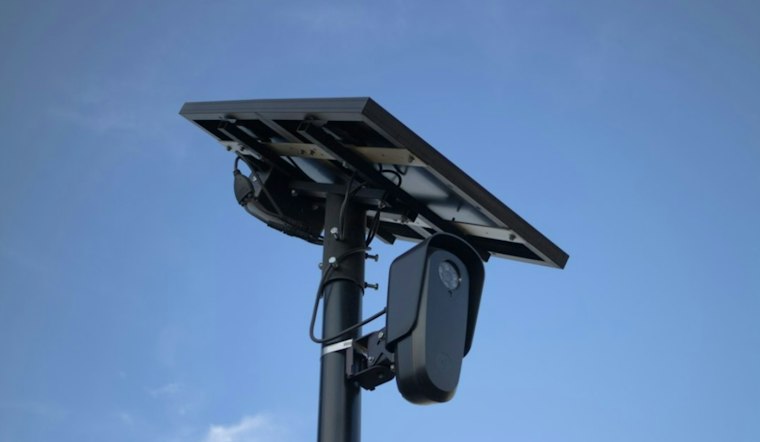
Platte City's Board of Aldermen voted Tuesday to adopt new standards governing how its Flock license plate cameras can be used and how long the data they collect can be kept. The vote follows months of public debate over privacy concerns tied to the surveillance system, and it comes as the city's underlying agreement with Flock remains in place through April 2027.
The new rules require that cameras be used only for a clearly identified vehicle-related crime or public safety problem, and they limit access to the footage to law enforcement personnel. According to KSHB 41, the standards also require that data be kept for the shortest viable time, mandate audit trails for who accesses the footage, and prohibit any use unrelated to public safety or law enforcement. The city's administrator said the new standards address concerns residents have raised throughout the debate.
A Contract With a Confusing Timeline
Platte City signed a one-year term with a two-year renewal agreement with Flock in August 2025, but delays in installing and activating the camera system pushed back that initial term. Flock verbally told the city that the one-year term would not actually expire until April 2027, per the same KSHB report. City officials say Platte City will determine closer to that expiration date whether to remove or keep the cameras.
That timeline surfaced publicly during a separate discussion covered by the Platte County Citizen, in which City Administrator Bryan Richison asked the board for clarification on whether staff should plan to renew the contract for the full 24-month renewal term once it expires in April 2027. Staff have recommended moving forward with a two-year renewal covering three license plate readers, according to the outlet.
Residents Split Between Safety and Surveillance
Not everyone in Platte City sees the cameras the same way. Resident Rebecca Espinosa Moreno said the cameras make her feel safer about her mother living in the city and said she wants safety to remain the focus of the conversation, the Platte County Citizen reported. Another resident, Donald McGuire, told KSHB he's glad to have a camera near Riverview Park, saying simply, “I'm glad it's here.”
Other residents have pushed back hard. One unnamed Platte City resident raised concerns that the Flock cameras treat everyday citizens like criminals, while others have raised broader worries about privacy and who can access the camera data, according to the Platte County Citizen's coverage. That unease has translated into organized opposition: a Change.org petition calling for the city to end all Flock contracts immediately had gathered more than 250 signatures.
City Pauses a Planned Camera Amid the Debate
Amid the back-and-forth, Platte City has paused installation of a camera that had been planned for Rising Star Park, KSHB reported. Mayor Amber Brune said the contract extension through April 2027 doesn't prevent the city from voting to break the agreement sooner if officials choose to.
Part of a Bigger National Reckoning
Platte City's debate is playing out against a broader national reckoning with Flock's surveillance reach. The Electronic Frontier Foundation reported that its analysis covered more than 12 million Flock searches conducted by over 3,900 agencies between December 2024 and October 2025, and the Electronic Frontier Foundation noted that communities including Austin, Evanston, and Eugene have successfully canceled or refused to renew their Flock contracts after organizing campaigns centered on surveillance-related harms.
The scale of Flock's footprint is significant: the company had deployed nearly 90,000 cameras nationwide across nearly 7,000 networks as of July 2025, according to a report from ACLU of Massachusetts. That system allows departments to share license-plate-reader data with no other agencies, with specific named departments, with every department in their state, or with the entire nationwide Flock network, the report notes. In Massachusetts alone, more than 80 police departments have entered into Flock contracts, and the cameras automatically capture license plates, locations, and timestamps as vehicles pass by.
Closer to home, the debate has already turned heated elsewhere in the Kansas City metro. A brief Axios report indicated that two Flock cameras were cut down in the metro area over the summer, with one town canceling its contract and an officer facing charges of misuse — a sign of how contentious the technology has become across the region even as Platte City tries to thread the needle with tighter rules rather than an outright cancellation.



