

























































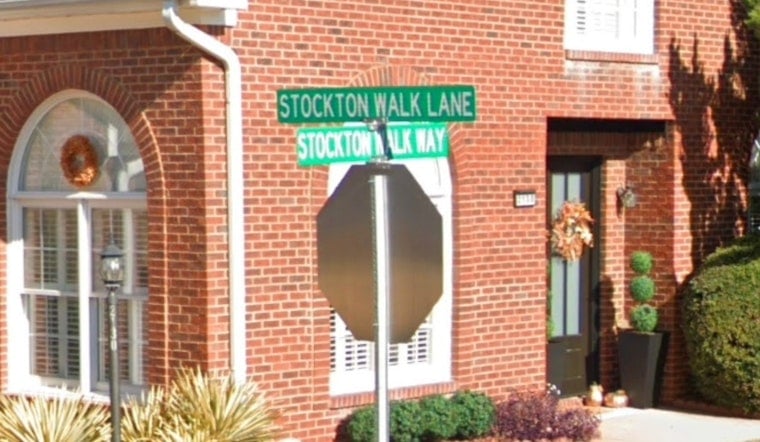
A bat found dead inside a home near Stockton Walk Lane in Snellville has tested positive for rabies, prompting Gwinnett County officials to issue a public advisory urging residents to steer clear of stray or unusually behaving animals. The bat was discovered on August 28, and officials say they have not been able to confirm whether any humans or household pets came into direct contact with it before it died.
The discovery, first reported by FOX 5 Atlanta, has left investigators without answers on a key question: how the bat got into the home in the first place. That detail remains undetermined, according to the outlet, which cited a press release from Gwinnett County government. Gwinnett County Animal Welfare and Enforcement issued the advisory alongside the confirmed test result, warning pet owners to keep their animals current on rabies vaccinations.
Why Bats Are the Biggest Rabies Threat
Bats and foxes are among the wild animals capable of carrying and transmitting the virus, and nationally, bats are responsible for roughly 70% of fatal human rabies cases acquired in the United States, according to the Centers for Disease Control and Prevention. Rabies spreads to humans and pets through bites or scratches from infected wildlife, and once symptoms appear, the virus is almost always fatal in humans if preventive treatment isn't given immediately, per the CDC. The virus attacks the central nervous system, and early symptoms in people can include fever, headache, and general weakness or discomfort.
That danger is part of why Gwinnett County Animal Welfare and Enforcement Director Katrina Hellman has previously urged residents to call animal control rather than pest control if a bat turns up inside a home, warning that a sleeping person could be bitten without ever feeling it or noticing a mark, according to WSB Radio. The county recorded 10 confirmed animal rabies cases in 2024, with a slight decrease in confirmed cases in 2025, per the same report.
What to Do After a Possible Exposure
Officials say anyone bitten or scratched by a stray or suspected rabid animal should seek medical care immediately and tell their healthcare provider about the exposure. The standard post-exposure regimen for unvaccinated people recommended by the CDC includes thorough wound washing, one dose of human rabies immune globulin, and four doses of rabies vaccine given on days 0, 3, 7, and 14.
Pets face their own protocol. Unvaccinated dogs or cats exposed to a rabid animal must undergo a strict four-month quarantine and receive a rabies vaccination one month before release, according to NASPHV guidelines cited in the FOX 5 Atlanta report. Separately, Gwinnett County ordinances require any dog, cat, or ferret that bites or scratches a person to undergo a mandatory 10-day quarantine observation, per Gwinnett County. Georgia law also mandates that all dogs, cats, and ferrets 12 weeks or older be vaccinated against rabies by a licensed veterinarian, under Georgia Code § 31-19-5.
Anyone who believes they were exposed to a suspected rabid animal can contact GNR Public Health at 770-339-4260. Residents who spot an animal behaving unusually, or who need one picked up, can call the Gwinnett Animal Welfare and Enforcement bite office at 770-339-3200, ext. 5576.
Part of a Wider Pattern Across Gwinnett
The Snellville case is the latest in a string of wildlife rabies alerts across the county this year. In July, officials reported a raccoon near Biltmore Oaks Drive in Bethlehem had tested positive after attacking a dog in May, according to 11Alive. Hoodline has also tracked a rabid coyote in Buford and reported on a rabid raccoon that mauled a dog in Dacula.
A retrospective study of Georgia rabies laboratory data from 2010 to 2021 found wildlife made up 93.7% of confirmed positive cases statewide, with raccoons accounting for 68.9% and bats making up 2.7% of positive specimens, according to a report published on PubMed Central. Domestic animals accounted for only 6.3% of positive submissions over that period, underscoring how mandatory pet vaccination laws have shifted the state's rabies risk almost entirely onto wildlife.





