

























































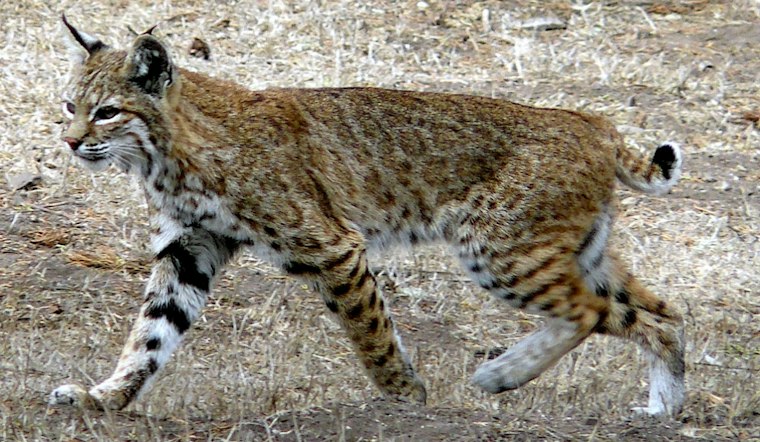
A wild bobcat mauled a family dog and charged aggressively at a homeowner's wife off Old County Road near Pine, Arizona, on Aug. 29, prompting her husband to retreat inside the house and then shoot the animal dead. The bobcat later tested positive for rabies, adding a chilling coda to an already frightening backyard encounter in Gila County.
Attack Unfolds in the Backyard
According to FOX 10 Phoenix, the homeowners found their dog bloodied in the backyard after the bobcat attacked it, and the animal then charged at the wife. The husband retreated inside the home before using a firearm to shoot the bobcat dead, the outlet reported. He then contacted the Arizona Game and Fish Department to report the incident and request that the carcass be retrieved.
Game and Fish collected the deceased bobcat and submitted it to a laboratory for rabies testing, per the same report. Department spokesperson Alexandra Flickinger said the results came back positive, confirming the animal had been infected at the time of the attack.
A Second Rabid Bobcat Encounter This Year
The Pine incident is not the only rabid bobcat attack Arizonans have faced this year. In May, near Prescott, a German Shepherd named Moses killed a rabid bobcat after it attacked his owner, according to 12 News. The owner said the cat scratched up her arm and knocked her over before going after the dog, and she recalled, “When I got back he had killed the bobcat.”
That bobcat also tested positive for rabies, the Arizona Game and Fish Department confirmed to the station. The Yavapai County Sheriff's Office reported three other bobcat attacks in the same area within the preceding 48 hours. Even though Moses was current on his rabies vaccination, he still had to quarantine at home for about six weeks as a precaution.
Why Bobcats and Other Wildlife Carry the Virus
Rabies is endemic to Arizona, and the state's principal hosts are bats, skunks and foxes, according to the Arizona Game and Fish Department. The department has also reported a series of rabies-related incidents involving bobcats biting and scratching people and dogs near Prescott. Bats, skunks and foxes make up the majority of rabies infections across the state, but the virus can spread from them to other mammals including bobcats, coyotes, javelina, cats, dogs, horses and cows, according to KOLD.
Nationally, wild animals account for more than 90% of reported U.S. rabies cases, with bats, raccoons, skunks and foxes the most frequent sources, per the Centers for Disease Control and Prevention. The virus spreads through saliva, usually via bites, scratches or direct contact with mucous membranes or open wounds, according to the World Health Organization. Once it infects the central nervous system and symptoms appear, the WHO says rabies is fatal in 100% of cases — a reality that makes prompt medical attention after any bite or scratch essential.
Officials Urge Caution and Vaccinations
Arizona Game and Fish advises anyone bitten or scratched by a bobcat to seek immediate medical attention, and officials are urging residents to immediately report wild animals exhibiting strange or aggressive behavior. The department also recommends keeping pets' vaccinations up to date and maintaining distance from wildlife that behaves abnormally, aggressively or fearfully toward people.





