

























































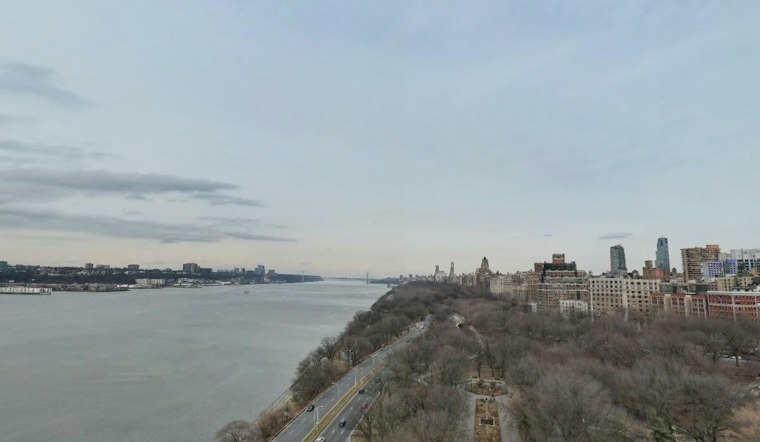
A rat died after getting squeezed between the bars of a trash can near the 103rd Street steps in Riverside Park, leaving passersby split between disgust and something like admiration for the grim tableau. Witnesses said the rat appeared to have gotten stuck while trying to reach dog feces inside the can, and reactions on the scene ranged from indifference to sympathy.
The scene, first reported by the New York Post, drew a small crowd of onlookers who lingered to weigh in. Jennifer Wenzel, 57, called it a New York City still life, and lamented that the rat apparently could not get through the trash-can bars before it died. A woman identified only as April compared the sight to a New York sculpture, while also remarking, what a terrible death.
Split Reactions From Passersby
Not everyone was moved to poetry. An unnamed passerby called the scene gross. Rio Sultan, a 27-year-old graduate student at Columbia University, said rats are common in what he called the area known as rat street. William Glendon, 80, took a more philosophical view, saying he wasn't offended by rats and figured the animal had lived a good life in the park before its death.
Another passerby likened the scene to Jacques-Louis David's 1793 painting The Death of Marat, which depicts the French revolutionary Jean-Paul Marat's murder in a bathtub after he was stabbed to death on July 13 of that year, according to the BBC. The painting has inspired reinterpretations for centuries; a Louvre exhibition has also featured the painting.
A Park With a Long Rat History
This is hardly the first time Riverside Park's rodents have made headlines. Back in 2011, Upper West Side residents told DNAinfo that rat burrows were becoming increasingly common in the park, with resident Mary Hogan saying the rats had been essentially unchecked for years. Park administrator John Herrold said at the time that rat numbers tend to fluctuate seasonally. The Parks Department responded by increasing trash pickups, switching to rat-resistant garbage cans, and cutting back on open Dumpsters, the outlet reported.
Complaints resurfaced in 2017, when residents told West Side Rag they were spotting probably three or four rats per hour in local parks and playgrounds. The Parks Department said it was addressing the problem with more frequent trash pickups and mechanical traps, and City Council Member Helen Rosenthal steered $78,500 through the Parks Equity Initiative toward Big Belly garbage bins near playgrounds. Riverside Park has also removed trash cans.
Mixed Signals on the Citywide Trend
Rat sightings haven't been confined to the park itself. Residents elsewhere on the Upper West Side told CBS News New York they had seen rats near the median and subway entrance at West 96th Street and Broadway.
Yet the most recent data point in the other direction: a Bloomberg headline reported that rat sightings across New York City fell 22% in 2026 amid efforts to get more trash off the streets. Other interventions have shown sharper results in specific spots — West Side Rag reported 19 compactors and a decline in rat burrows from 140 to 40 in Teddy Roosevelt Park, and a dry-ice treatment tested in a Chinatown park cut burrows there from 60 down to two.
Whether the 103rd Street steps will see any targeted cleanup remains unclear, and the evidence does not indicate whether the trash can involved was maintained by the Parks Department or another entity. For now, the rat's fate has simply become the latest entry in the Upper West Side's long, uneasy relationship with its rodents — one debated less in city hall than on the sidewalk, between neighbors deciding whether to call it tragedy or art.





