

























































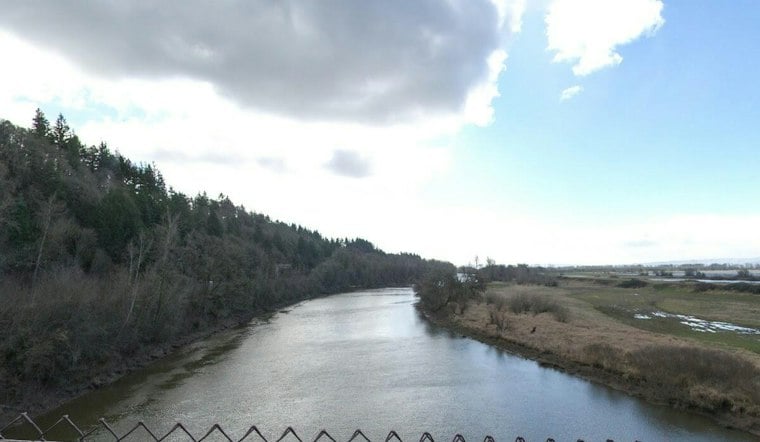
The Port of Ridgefield's proposed redevelopment of a 40-acre waterfront site has reached a pause after more than 4,100 people signed a petition opposing the mixed-use project. Petitioners have raised concerns about migratory birds, waterway access, and the character of a community that has grown rapidly over the past decade.
The port paused formal development talks through the summer to gather community input, according to Oregon Public Broadcasting. That delay moves the earliest possible groundbreaking to late 2027 or early 2028, per reporting from The Reflector. Palindrome was selected as the developer in 2024. Port staff say they slowed the first phase of what could become a multi-decade construction effort to better understand community concerns and identify possible mitigations.
A Toxic Legacy, Finally Cleaned Up
The port's interest in redeveloping the site follows decades of work at the former Pacific Wood Treating Corp. property. The company declared bankruptcy in 1993 after nearly 30 years at the site, leaving contamination that took more than 25 years to address and required roughly $90 million in public cleanup funds from the port and the Washington Department of Ecology, according to information published by the port. The cleanup history is central to the port's view that the remediated property should support jobs, housing, and tax revenue.
Dioxin levels in Lake River sediments near the refuge were reported at five parts per trillion, according to environmental firm Maul Foster Alongi. Physical access to the once-isolated industrial site was also unlocked after construction of the $17 million Pioneer Street Rail Overpass, built between 2013 and 2021 and connecting downtown Ridgefield to the waterfront, as reported by the Vancouver Business Journal.
What the records say about cleanup and protection
Washington Department of Ecology records say cleanup at the former Pacific Wood Treating plant site was completed by 2015, though work in the neighboring area continued beyond the plant property. The records also show that institutional controls remain in effect, including restrictions related to soil disturbance and land use, according to the Washington Department of Ecology.
According to a U.S. Fish and Wildlife Service planning document, Ridgefield National Wildlife Refuge management includes preventing uses incompatible with wildlife, including industrial, commercial, or residential development. That describes the refuge's mission; it is not a determination about permits or approvals for the neighboring project.
What Palindrome Wants to Build
Phase I of the proposed development would include an 8-to-9-acre public waterfront park, a 58-room boutique hotel, a 25,000-square-foot office building, residential buildings, and mixed-use space, per details reported by The Reflector. OPB reports the plan could also include six three-story residential buildings positioned next to the refuge itself, along with restaurants and shops. Port executive director Ethan Perry has said some residents are excited about the prospect of a hotel, restaurants, and other waterfront amenities, and that the port is trying to create a place where people want to live, work, and play.
The port's plans include public park space alongside the commercial development.
Why the Refuge Matters So Much
The Ridgefield National Wildlife Refuge, established by the U.S. Fish and Wildlife Service in 1965, was created primarily to protect vital wintering habitat for the dusky Canada goose. Today it contains more than 5,000 acres of protected marshes, grasslands, and forests supporting nearly 200 bird species and dozens of mammals, reptiles, and amphibians, and it has been closed to development for 60 years, per OPB. Carty Lake, adjacent to the proposed development site, draws migratory birds each fall.
The refuge also holds Cathlapotle, a Chinookan village and trade center. Local tribes continue to hold events and ceremonies at the site.
Jim Maul, co-board president of Friends of Ridgefield National Wildlife Refuge, said development-related windows, lights, and around-the-clock activity near the site could harm wildlife. The port itself is now rethinking its initial plans specifically because of concerns about impacts on migratory birds, according to OPB's reporting.
A Town Transformed by Growth
The city's population has grown substantially, reaching approximately 17,000 residents. New residential construction has accompanied demand along the Interstate 5 corridor.
Wendy McIntire Gilbert, who organized the petition against the development, has said petitioners are not opposed to growth broadly but consider the waterfront site inappropriate for it. Dion Hess, who uses the waterfront boat launch frequently during salmon fishing season, is among residents worried about public access and parking there, as demand for boat-launch space has increased every year. Other residents cite traffic congestion as a top concern.
The Ridgefield City Council has weighed in as well, sending a letter to the port commission urging officials to consider public concerns about the waterfront's future and stating that the project must be made right for future generations. Ridgefield has long used Carty the sandhill crane as its official mascot, a nod to the same wetlands now at the center of the debate.





