

























































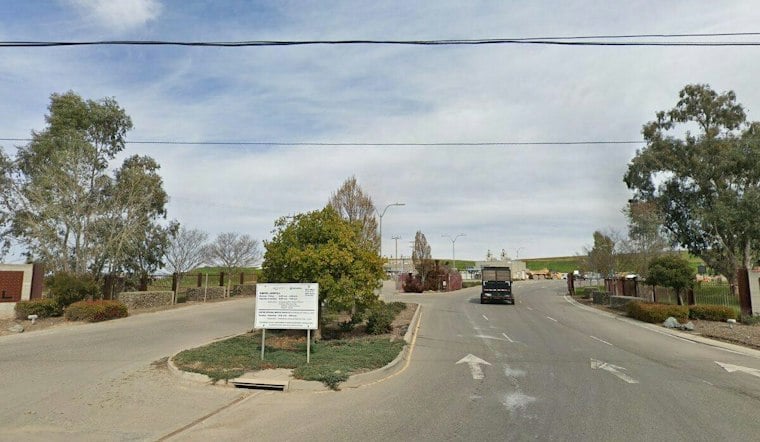
Residential garbage collection rates in unincorporated Sacramento County could start climbing by the beginning of 2027, with the county's Board of Supervisors being asked to approve a rate study and take the steps needed to adopt a proposed increase to solid waste utility rates. Under the plan, monthly rates for a standard 30-gallon cart would rise by $2.38 starting January 1, 2027, and continue climbing until reaching a cumulative increase of $13.56 per month by 2031.
What the Proposal Covers
The rate hike, reported by KCRA, wouldn't stop at monthly cart fees. Landfill vehicle entrance fees would go up by $5, and both weekly organics services and bulky waste pickup would also see rate increases under the plan. The station's report notes that even with the proposed hikes, county staff say Sacramento County's residential rates would remain nearly $10 less expensive per month than those charged by the City of Sacramento.
The proposal covers only residents in unincorporated areas of the county — communities outside incorporated city boundaries like the City of Sacramento — who receive curbside garbage, recycling, and organic waste collection through the county's Department of Waste Management and Recycling, according to Sacramento County Consolidated Utilities Billing & Service. Those garbage charges typically show up alongside water, sewer, and stormwater drainage fees, since all four services are billed together through the county's Department of Finance.
Why Costs Are Rising
California's SB 1383 organic waste law took effect in 2022 and requires local governments to provide organic waste collection service to households and businesses. Implementation involves infrastructure and local-program expansion, according to Waste Dive.
Residents can request cart size changes or schedule bulky item pickups through an online system.
How Residents Could Block the Increase
Because this is a property-related fee, the county can't simply impose the hike. Under California's Proposition 218, passed by voters in 1996, local agencies proposing utility rate increases — including solid waste and refuse collection — must mail written notice to every affected property owner at least 45 days before holding a public hearing, according to the San Francisco Public Utilities Commission, which lays out the same statewide notice requirements that apply to Sacramento County.
Refuse collection increases don't require a voter ballot, but they can be defeated through a majority written protest, per the California Stormwater Quality Association. If a simple majority of affected parcel owners submit valid written protests before the public hearing closes, the rate increase can be stopped. To count, a protest must include a property address or Assessor's Parcel Number, an original signature, and the name of the parcel owner or customer of record — and state law does not allow protests to be submitted by email, according to the Rancho Murieta Community Services District.
Proposition 218 also caps how high these fees can go in the first place: property-related fees charged to any parcel, including solid waste rates, cannot exceed the proportional cost of providing that service to the parcel, as explained by Western City Magazine. Separately, one wastewater agency requires ratepayers to submit a written legal objection before challenging a rate increase in state court.





