

























































A Sacramento historian is pushing to plant a permanent marker to Buffalo Soldier history right at the seat of California government, proposing a monument at the Civil War Grove inside Capitol Park. Michael Harris, a historian and Sacramento native, has also launched a campaign to have routes once traveled by the segregated Army regiments recognized as the California Buffalo Soldiers Heritage Trail.
Harris is working toward the establishment of a monument at the Civil War Grove and toward a heritage trail designation, according to FOX40. As part of that effort, he has launched a GoFundMe campaign specifically aimed at getting Buffalo Soldier routes recognized under the heritage trail name, the station reports. Harris is also working with Buffalo Soldier Post 333, based in San Francisco, and plans to get more people involved in the push, per the same account.
A 160-Year-Old Legacy Rooted in California
Harris spoke with the outlet at Capitol Park around the 160th anniversary of the Buffalo Soldiers' formation, the station notes. The U.S. Army organized the first units of Black soldiers following the Civil War, and those units became known as the Buffalo Soldiers, officially formed on September 21, 1866, according to FOX40's reporting. Harris has encouraged people to document and preserve that history for future generations, the station says.
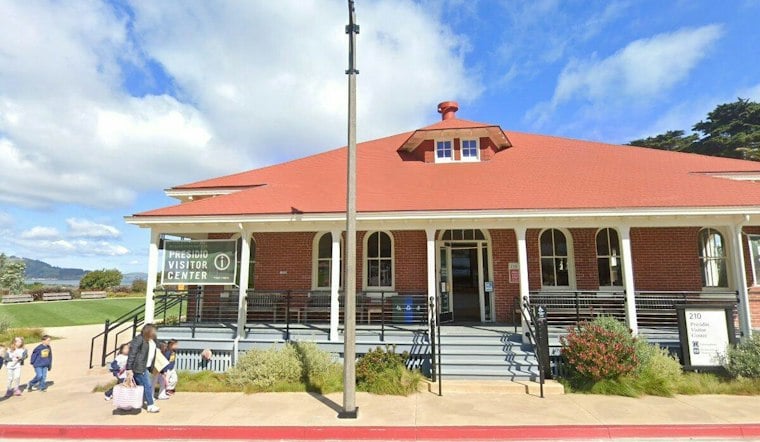
Buffalo Soldiers served in California between the late 1800s and early 1900s, with regiments based in both San Francisco and Monterey, the station reports. Separately, High Country News describes the Buffalo Soldiers as four segregated Black regiments of the U.S. Army assigned to patrol Yosemite during the late 1800s and early 1900s, garrisoned at San Francisco's Presidio in winter and using what is now California Highway 41 for summer patrols.
Roads, Trails and a Legacy in the Sierra
The soldiers patrolled areas of the Sierra Nevada that became Yosemite and Sequoia national parks and helped establish roads and trails into those parks, per FOX40's reporting. High Country News credits the Buffalo Soldiers with building the first trail to the top of Mount Whitney, the highest peak in the contiguous United States, along with the first usable road into the Giant Forest in Sequoia National Park. Save the Redwoods League notes that in 1899, 1903 and 1904, soldiers from the 24th Infantry and 9th Cavalry managed both Yosemite and Sequoia national parks.
That physical legacy has already been etched onto modern maps in small ways. A section of the road built by the 9th Cavalry has been designated the Buffalo Soldiers Scenic Route, according to Save the Redwoods League, and in 2019 the National Park Service designated a section of Highway 198 in Sequoia and Kings Canyon National Parks in honor of the soldiers' work, the organization reports.
Bipartisan Support and a Legislative Push
Harris told FOX40 that efforts to create new Buffalo Soldiers monuments have received bipartisan support at the California State Capitol. He plans to have legislation introduced in the first part of the year, according to the station's report.
California has weighed similar recognitions before. In 2016, Assembly Member Frank Bigelow introduced a resolution that would rename as Buffalo Soldier Memorial Highway a stretch of road at the south entrance of Yosemite National Park, High Country News reported at the time. That measure, Assembly Concurrent Resolution No. 174, would have applied to the section of road running from the Mariposa-Madera county line to Yosemite's south entrance, per the outlet's account.
Beyond legislative designations, other institutions have separately worked to keep the history visible. The U.S. Army has reported that the Presidio of Monterey Museum planned a Buffalo Soldier exhibit and sought information from the public to help build it. As one figure quoted by High Country News put it, “Re-telling the story is a way of keeping the legacy of the Buffalo Soldiers alive.”





