

























































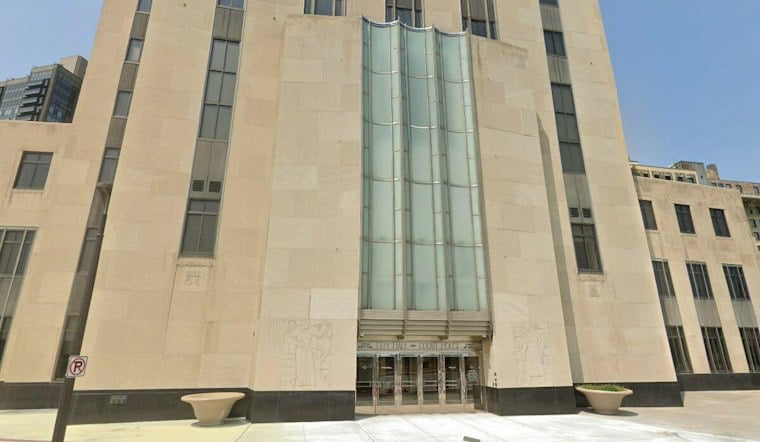
Saint Paul homeowners are staring down a trifecta of property tax increases for 2027, after the city council, Ramsey County board and Saint Paul school board each approved higher maximum levies this month. All three bodies still have room to lower those numbers before their final levies are adopted this December, but for now, the ceilings are set - and they are all headed up.
The Saint Paul City Council voted unanimously on September 23, 2026 to adopt Mayor Kaohly Her's proposed 6.8% levy increase for 2027, according to the Villager. That maximum levy would generate roughly $248.3 million to help support Her's proposed $887.7 million city budget for 2027, up from $883 million this year. The levy itself would rise about $15 million from 2026 to 2027 under the maximum figure.
Council Member Rebecca Noecker said the council still intends to look for ways to bring that number down before the budget is finalized, according to the same report. “I think we need to do the work to find ways to bring the levy down,” Noecker said, adding that many constituents are burdened by increasing property taxes. The city will hold its truth-in-taxation public hearing at 6 p.m. on November 30, 2026, at City Hall, with the council hoping to vote on the final 2027 budget and levy by December 2, 2026.
County Levy Could Climb More Than 8 Percent
Ramsey County commissioners voted 7-0 on September 22, 2026 to approve their own maximum levy for 2027, a figure that would represent an 8.25% increase - the steepest of the three jurisdictions. The county's maximum levy would reach $464 million, up $35.4 million from 2026, per the same account.
That levy would help fund a proposed $965.75 million county budget, a 4.5% increase over 2026 spending, with property taxes covering about 47% of the total. The county board also set maximum 2027 levies for two related authorities: the Regional Rail Authority's maximum levy of $36.22 million would hold steady from 2026, while the Housing and Redevelopment Authority's maximum levy would tick up slightly, from $14.03 million to $14.07 million. Ramsey County will hold its own truth-in-taxation hearing at 6 p.m. on December 1, 2026, at City Hall, and commissioners are expected to adopt a final 2027 levy and budget on December 15, 2026.
School Board Approves Near 7 Percent Levy Bump
The Saint Paul school board approved its maximum 2027 levy on September 22, 2026, by a vote of 6-0, with board member Erica Valliant absent. The maximum levy of $270.8 million represents a 6.89% increase and would add $17.5 million over the 2026 levy, according to the Villager's reporting.
Tom Sager, the Saint Paul Public Schools senior executive officer for finance, explained that the approved figure represents the maximum allowed by the Minnesota Department of Education, which may still make further changes to its funding formula before the end of 2026. The school levy makes up 23.4% of the district's annual budget. Saint Paul Public Schools, whose fiscal year runs from July 1 to June 30, will hold its truth-in-taxation hearing at 6 p.m. on December 1, 2026, at district headquarters, 360 Colborne St., with the school board scheduled to adopt a final 2027 levy on December 15, 2026.
Why the Numbers Could Still Move
Under Minnesota's truth-in-taxation law, none of these three maximum levies can legally go any higher between now and final adoption - but each can still be reduced. Cities with populations over 500, counties and school districts are all required to follow the same truth-in-taxation procedures, according to the Minnesota Department of Revenue, which include holding public meetings, adopting and certifying proposed and final levies, and monitoring compliance with state law.
Taxing authorities whose truth-in-taxation meetings fall between November 25 and December 29 must also submit a compliance form to the Department of Revenue by December 29, per the same state guidance. For Saint Paul residents, that means the public hearings scheduled for late November and early December aren't just formalities - they're the last structured opportunity for the city, county and school district to hear from taxpayers before locking in what could be three simultaneous increases on the same property tax bill.





