

























































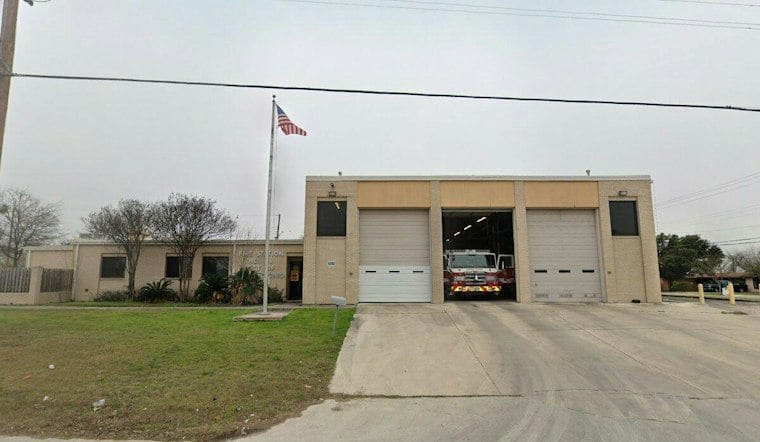
San Antonio Animal Care Services and the San Antonio Fire Department have installed free microchip scanners outside 11 fire stations and at the ACS main campus, giving anyone who finds a stray dog or cat a way to check for owner information without ever setting foot in a shelter. The self-service stations run 24 hours a day, seven days a week, and are meant for one purpose only: scanning, not surrendering.
How the Scan-and-Search System Works
According to KSAT, anyone who safely contains a found dog or cat can use the scanner to check it for a microchip, then follow posted instructions explaining what to do if one is detected. As the station's report details, a finder scans the animal at one of the kiosks and the handheld device displays a unique ID number. That number can then be run through a smartphone QR code link on the station box to search national microchip registries for the owner's contact details, according to Texas Public Radio. The program may help return pets sooner and reduce unnecessary shelter intake.
Deputy Fire Chief Brian O'Neill said the program is meant to remove confusion for people who want to help animals, the KSAT report notes. City officials hope the scanners will help reunite more pets with their families while also easing overcrowding at shelters, per the same account.
Where the Scanners Are, and Where More Are Headed
The initial rollout placed self-service scanning stations outside eight fire stations, including Station 16 on Nogalitos Street, Station 26 on Culebra Road, and Station 44 on Horal Drive, with three more fire stations set to add units as locations become available, according to the San Antonio Express-News. Fire station personnel do not assist with animal handling or scanning, the Express-News reports, a limitation meant to keep crews ready for emergency calls at all times.
City rules are explicit that these boxes are not animal intake or surrender locations, and animals must not be left unattended at the scanning site or on fire station property, per the KSAT report. Anyone who finds an injured, aggressive, or otherwise unsafe-to-handle animal should call 311 or 210-207-6000 for assistance instead of attempting to scan it themselves.
Why Keeping Pets Out of the Shelter Pipeline Matters
The scanners may help return pets sooner and reduce unnecessary shelter intake. Placement figures include adoptions, rescue transfers, owner reunions, and trap-neuter-return outcomes, the city's release notes.
San Antonio has had a regulatory head start on making this kind of program work. In 2015, it moved to microchip-based licensing, with existing metal tags addressed on a temporary basis, according to the San Antonio Current.
Bypassing the Shelter Also Means Bypassing New Penalties
Using a scanner may help reduce unnecessary shelter intake, but the available accounts do not establish that every scanner-based reunion bypasses the impoundment process.
Why a Working Phone Number Still Matters
The system's success still hinges on something owners control at home: accurate contact information. Keeping a microchip registry's contact information current can help owners and finders connect when a lost pet is scanned.
Disconnected or incorrect phone numbers, as well as owners who do not respond, can hinder reunification. Keeping registry information up to date is therefore important. It is also worth clarifying that microchips carry no active GPS tracking; handheld scanners detect them. The chip itself is about the size of a grain of rice, according to AAHA.
San Antonio's new scanning boxes give residents another option for checking a found pet for a microchip. For San Antonio residents, the message from officials is simple: if you find a lost pet, contain it safely, scan it at one of the new stations, and never leave it unattended on fire department property while you wait for a response.



