

























































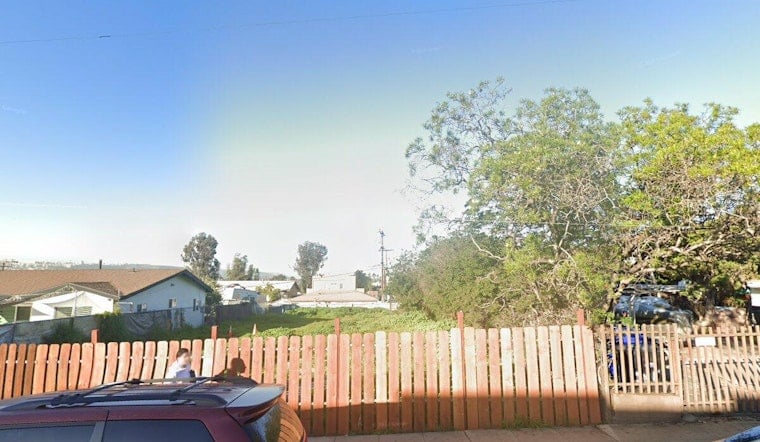
A vacant 7,000-square-foot lot in San Ysidro's Historic Village is slated to be transformed into a climate resiliency campus, with nonprofit Casa Familiar holding a groundbreaking ceremony on July 31, 2024, for the La Semilla Climate Resiliency Center. The planned facility, built to double as an emergency cooling shelter and a year-round classroom for green living, sits in San Ysidro — a location that shapes nearly everything about why it was built.
San Diego Mayor Todd Gloria praised Casa Familiar and the Strategic Growth Council at the groundbreaking, according to San Diego Mayor Todd Gloria
. The project focuses on climate resilience in San Ysidro.
The project was funded through an $8.5 million Community Resilience Center grant from the California Strategic Growth Council, part of more than $93 million approved in 2024 for climate resiliency centers, according to PR Newswire. Notably, La Semilla was the only project inside San Diego city limits to win an implementation grant from that 2024 funding round, the outlet reported, underscoring how competitive the state dollars were among communities facing extreme heat and environmental burdens.
Why San Ysidro Was First in Line
The case for prioritizing San Ysidro is rooted in concerns about the neighborhood's exposure to vehicle exhaust. Those emissions have raised environmental and health concerns in the San Ysidro community.
The same congestion that frustrates commuters also contributes to traffic-related pollution. That context helps explain why a facility built to provide air-pollution education and shelter residents during climate events was seen as a priority investment for the neighborhood.
What's Inside the New Campus
The planned campus includes a main building named La Estancia, EV charging stations, a community garden and plaza, according to PR Newswire's account of the project. The construction firm's own project writeup also describes the project's sustainability features.
During extreme weather, La Semilla is designated to function as a community emergency hub and a “Cool Zone” shelter, while its regular programming focuses on low-maintenance green building, drought adaptation, and energy conservation, according to background material from Casa Familiar. The campus's sustainability features are intended to demonstrate approaches to green living, per Casa Familiar's account of the project.
Part of a Larger Neighborhood Push
A quarter-mile corridor along Cypress Drive is described as a community-led arts and greening effort.
The center's opening follows other recent state and city investment in the neighborhood. In August 2024, California awarded $33.7 million in Affordable Housing and Sustainable Communities funds to Casa Familiar and Hitzke Development Corp. to build 103 units at the nearby Avanzando housing project, a plan Hoodline previously reported included $320,000 for the City of San Diego to upgrade local sidewalks and bike lanes. The broader pattern of neighborhood investment has continued.
Whether La Semilla's green infrastructure will meaningfully offset the community's daily exposure to border-crossing pollution over the long run remains an open question, one that will likely take years of monitoring to answer. For now, the center stands as a resource for both routine climate education and emergency shelter during the region's most punishing heat days.


