

























































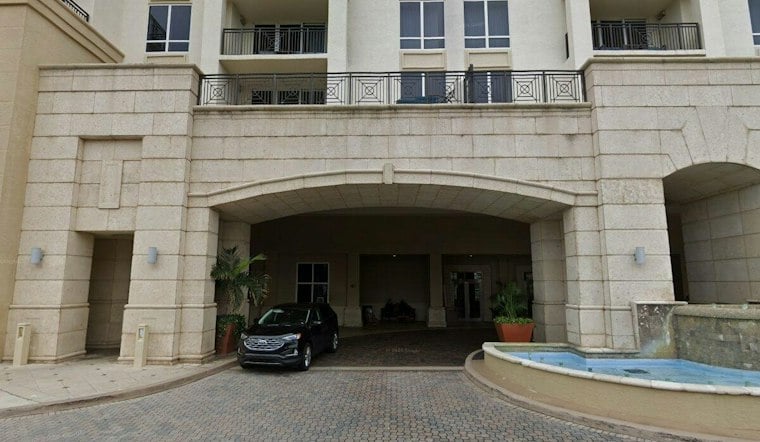
A long-running dispute over fees at the Palm Beach Marriott Singer Island Beach Resort & Spa has returned to court, with the condominium association alleging that the resort’s commercial operator imposed duplicative charges totaling tens of millions of dollars. The claims center on a roughly $45-per-occupied-day administrative fee collected in addition to regular quarterly assessments; a trial is scheduled for early next year.
The 239-unit resort at 3800 North Ocean Drive was built in 2007 by Florida developer WCI Communities, which filed for Chapter 11 bankruptcy in August 2008 after the South Florida housing market collapsed, according to The Real Deal. WCI was later restructured and purchased by Lennar in 2017. In 2009, during that period of financial distress, Urgo bought the building’s commercial lot and resort operations from WCI Communities for $7.1 million, or less than $30,000 per key. Urgo later added a Marriott flag and renamed the resort.
That steep discount stands in stark contrast to what individual owners have paid for their units. Condo units in the building routinely command multimillion-dollar valuations, with monthly rental rates reaching $19,000 to $30,000, per Sotheby's International Realty. Owners like Sam Lasorda, who bought his unit in 2005 before the development was even constructed and later served as condo association president, say they have long struggled to understand what they are actually paying for. Lasorda said he was unclear what his fees paid for and how much the underlying services actually cost.
A Decade of Litigation Over Shared Facilities
The association’s case turns on how costs are allocated between the residential condominium and the hotel operation. Owners pay quarterly assessments for shared facilities, including areas such as elevators and hallways. Court records describe the additional per-occupied-day administrative charge as covering the costs of integrating hotel guests into the residential building. The association alleges that the charge duplicated costs already covered by assessments and was based on a formula not tied to documented expenses.
The Palm Beach Marriott Singer Island Condo Association sued Urgo Hotels in 2010 over shared-facility maintenance charges, and court documents show that case was settled in 2013. The association filed another lawsuit in 2015, maintaining that owners continued to be overcharged. In August, attorneys Stevan Pardo and Greg Weiss sought punitive damages and a temporary stay of the fees while the case proceeds. Pardo has said damages for charges dating to 2013 could exceed $45 million.
Board Members Weigh Costs of Continued Fight
Marina Schtutman, the condo association president, said board members would prefer to avoid the expense and delay of litigation but believe the case must continue. Urgo’s legal team argues that the current lawsuit should not proceed because the 2010 case was settled and says some owners no longer support the association’s claims. Urgo’s attorneys also alleged that the board delayed elections to prevent opposing owners from gaining control. Ronald Gache, an attorney representing Urgo and UH-SI LLC, declined to comment.
A Statewide Pattern in Florida's Condo-Hotels
The Singer Island litigation is part of a broader dispute in Florida’s condo-hotel market over the division of authority and expenses between residential owners and commercial lot operators. In January 2023, a Miami-Dade Circuit Court judge ruled for condo owners at Miami’s Carillon Resort, finding that commercial lot owner Z Capital Group’s control over shared amenities violated Chapter 718, according to The Real Deal. Pardo, who represents the Singer Island association, also represented owners in that case.
Questions about responsibility for common elements and shared facilities have also been discussed in legal commentary, including material published by The Mold Lawyer. Those broader issues do not by themselves resolve whether the specific administrative fees at Singer Island were authorized or properly calculated.
Local and statewide context
The dispute is unfolding in a substantial condominium market. The Palm Beach County Property Appraiser’s Office lists 186,723 condominium units countywide and says it analyzes comparable sales annually, determining each parcel’s market value as of Jan. 1. Those appraisal practices provide market context but do not determine whether the Singer Island assessments or administrative charges were legally proper. Separately, Florida’s reserve-planning requirements address a different category of expense. According to the Florida Department of Business and Professional Regulation, a Structural Integrity Reserve Study evaluates association-maintained building components, existing reserves and anticipated funding needs. The department says associations must complete a study by Dec. 31, 2025, and residential associations must complete one for each building with three or more habitable stories. That statewide safety-and-reserves obligation is separate from the administrative fee challenged by the Singer Island owners.
Nearby on Singer Island, owners at the 351-unit Amrit Ocean Resort & Residences have filed their own lawsuits against developer Wellness Resorts in 2024 and 2026, alleging construction defects, improper developer control of the condo board, and misrepresentations about whether units could be used as full-time permanent residences, according to CBS12 News. In March 2026, a Palm Beach County circuit judge ordered the City of Riviera Beach to produce municipal zoning and building approval records to those condo owners after officials and the developer failed to release the documents voluntarily.
The association has asked Urgo to produce accounting records, arguing that the company controls both the operation of the hotel-condominium property and the information needed to test the charges. With trial set for early next year, the case will turn on the governing agreements, the parties’ responsibilities for shared facilities and whether the disputed fees were supported by the costs Urgo says they covered.





