

























































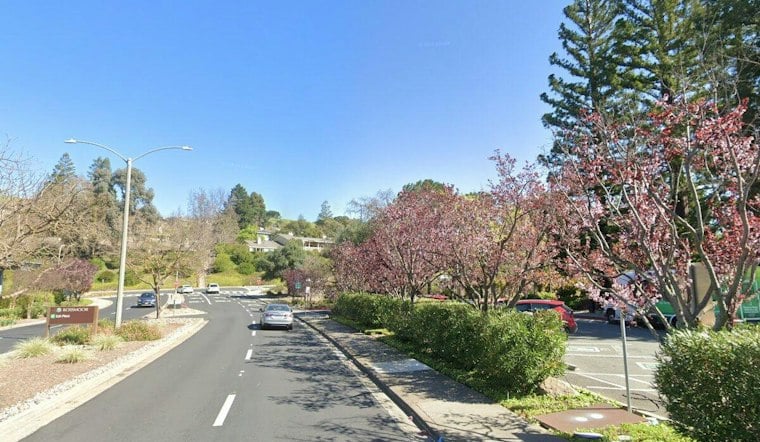
An upscale retirement community in Walnut Creek is on edge after a string of unsettling incidents this year, including a vandalized bulletin-board display, slashed tires belonging to a lesbian resident, and a rude gesture aimed at two men leaving a dance together. No charges have been filed in any of the cases, and residents of the sprawling Contra Costa County senior community are now organizing a symposium to confront what many describe as a climate of hostility creeping into their neighborhood.
Rossmoor, known for its 27 holes of golf and its tight-knit network of clubs, has become the site of several incidents residents describe as unnerving, according to the San Francisco Chronicle. A bulletin-board display case sponsored by Voices for Justice in Palestine was vandalized last month, a lesbian resident had her tires slashed in a Rossmoor parking lot, and a Rossmoor resident made a middle-finger gesture at two men leaving a dance sponsored by Rossmoor Advocates for Diversity. The resident who made the gesture said, “Disgusting,” the Chronicle reported.
Separately, two years ago, two women had a fistfight on a Rossmoor pickleball court that stemmed from a political disagreement, the outlet's report notes. Contra Costa Chief Assistant District Attorney Simon O'Connell, who plans to attend the upcoming symposium, said older residents are grappling with issues usually associated with a different generation, and said he did not yet know whether any of the recent incidents could be charged as hate crimes.
California draws a legal distinction between a hate incident and a hate crime: hurtful conduct may be motivated by bias without being a crime, while a hate crime requires a criminal act motivated in whole or in part by a protected characteristic. The state’s examples of hate incidents include insults and other conduct that may be constitutionally protected. The distinction means that an incident’s impact on residents and whether it can be prosecuted are separate questions, as explained in the state’s overview of hate-crime law and reporting.
Leadership's Restrictions Draw Free-Speech Backlash
Two years ago, after a pickleball fight, Rossmoor leadership restricted public demonstrations on Rossmoor grounds and limited political commentary in the Rossmoor News, according to the same report. Those moves drew accusations from residents that leadership was mounting an authoritarian crackdown on free speech.
Rossmoor’s governing structure helps explain why disputes over demonstrations and community publications have become a local governance issue as well as a free-speech debate. The Golden Rain Foundation, which does business as Rossmoor Walnut Creek, manages shared amenities and services, while individual Mutuals govern their own properties. The foundation describes its board as resident-elected and says its meetings are open to residents. Rossmoor’s description of its governance structure lays out those distinct roles.
Alex Baccaro, chair of the Rossmoor LGBTQ+ Alliance, which held a Pride Month event in June, described the gesture incident as upsetting, saying it made people feel violated and scared. Baccaro, who described a life path of living as a lesbian for 65 years before coming out as transgender, is cohosting the upcoming symposium and said systemic change is difficult, arguing it has to happen at the grassroots, one-on-one level.
A Symposium Draws Nearly Two Dozen Groups
Community leaders have organized a Rossmoor-wide gathering titled A Day of Listening, Learning and Unity — Rossmoor Stands United Against Hate, set for 1 p.m. on October 2. The event is being sponsored by 18 different community groups, including the pickleball and tennis clubs, the Rossmoor Lesbian Social Club, the Rotary Club of Rossmoor and African Americans and Friends, according to the Chronicle's reporting.
The program will include two short films from Not In Our Town depicting how other communities have responded to bias-motivated incidents with solidarity and peaceful action, per the same account. It will also feature an hour-long bystander intervention training designed to teach Rossmoorians how to safely get involved if they see someone being harmed. Baccaro estimates the full symposium will run about 90 minutes.
Donna Reynolds, vice president of the Rossmoor Fund — which supports residents facing unexpected financial needs such as surprise medical bills and distributed $300,000 to residents last year — said the symposium is fundamentally about appreciating people for who they are. Reynolds and Baccaro, who the Chronicle describes as having a relationship built on mutual acceptance, are helping lead the effort to bring residents together.
A State Lawmaker Weighs In
Democratic Assembly member Rebecca Bauer-Kahan, who represents Orinda and whose district includes Rossmoor, plans to attend the symposium as well. She said recent incidents are still happening in the community and argued that a proactive approach could help reduce them going forward, according to the Chronicle's report.
The incidents also sit within a broader California context, though statewide numbers cannot establish what happened in Rossmoor. The state reported 1,955 hate-crime events in 2025, down 3.4% from 2024, while reported events involving gender bias rose 23.8%. The figures are based on reports from law enforcement agencies, and the Attorney General cautions that not all agencies submitted a full year of data for 2025. The state’s 2025 hate-crime report announcement notes both the changes and the data limitation.
Residents, for their part, have described the recent string of incidents as unnerving even as they've pushed back against them through the wider Rossmoor community. Organizers say the October 2 gathering is meant to give the retirement community a shared, structured way to respond rather than leave individual residents to process the incidents alone.





