

























































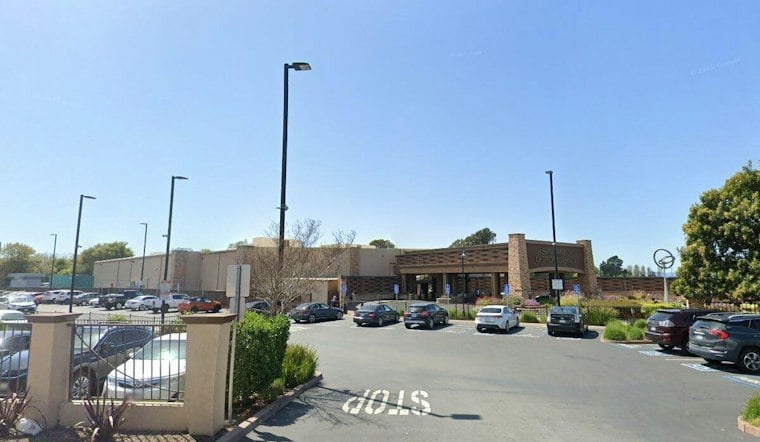
San Pablo shoppers will soon pay a 10% sales tax on most purchases after voters approved Measure R, a temporary half-cent increase city officials say is meant to loosen the city's grip on a casino revenue stream that has stopped growing the way it used to. The measure passed to fund general services and reduce San Pablo's reliance on Casino San Pablo, which for years has bankrolled a majority of the city's budget.
According to Richmond Confidential, San Pablo voters approved Measure R by nearly 71% of the latest vote count, a tally that increases the sales tax to fund general city services. A separate Contra Costa County election-results document, however, lists a narrower outcome of 58.59% yes to 41.41% no for the measure; the two figures have not been reconciled against a final official canvass. Either way, the measure cleared the threshold needed to take effect.
Matt Rodriguez, cited by Richmond Confidential, said Measure R voters understand the importance of funding existing municipal services and maintaining their quality of life. The tax is intended to address a budget gap driven by rising operational costs and to help wean the city off a single dominant revenue source.
How the New Rate Stacks Up
San Pablo's baseline sales tax rate currently sits at 9.5%, per the same report. Measure R imposes a half-cent sales tax for five years starting in April, while Measure S — approved by San Pablo residents in 2020 — adds its own half-cent on top until that rate drops to a quarter-cent in October, according to Rodriguez. With both measures fully in effect between April and October, San Pablo consumers will pay a 10% sales tax on most purchases, the report states, before the rate falls to 9.75% once Measure S steps down.
A June 2026 report from Contra Costa News describes a different timeline for that same Measure S reduction, stating the rate will decrease from 0.50 to 0.25 cents on October 1, 2027, cutting annual General Fund revenue by another $1 million. The discrepancy between the two timelines has not been resolved by an independent city source. Under Rodriguez's account, San Pablo will lose about $1 million in annual revenue once the Measure S rate drops, and Measure R's quarter-cent step-down is expected in 2032, continuing at that lower rate for five more years.
The sales tax itself funds about 10% of the San Pablo city budget, Rodriguez said. It applies to retail goods, dining, and gasoline, but not to groceries, prescriptions, or rent. City officials have pointed to crime prevention, a daily senior meal program, and assistance for the homeless community as among the general services Measure R was proposed to maintain.
A City Built on One Casino's Fortunes
The push for new revenue follows years of San Pablo leaning on San Pablo Lytton Casino, which Rodriguez said accounts for 59% of the city's general fund revenue each year. “Most cities do not have that level of dependence on a single source,” he said, according to the reporting. San Pablo sought alternative funding sources after business license tax revenue from the casino decreased, with casino revenue growth falling to about half of 1% annually since 2022, per Rodriguez.
That plateau shows up across multiple accounts of the city's finances. Casino revenue contributed about 58% of San Pablo's $54.4 million general fund budget, according to a March 2025 report from Silicon Valley, which also noted an unexpected shortfall in casino revenue in fiscal year 2023-24 and projected the revenue stream's growth would slow to about 0.6% annually over the following decade. The City of San Pablo itself has said casino revenues have flattened and leveled off in recent years, even as the cost of providing basic municipal services continues to rise.
Contra Costa News reported in June that Casino San Pablo, generating approximately 59% of the city's General Fund revenue, is plateauing — language that echoes Rodriguez's own figure for the casino's share of city funding. The outlet also detailed how San Pablo closed a projected $4.4 million deficit by combining $2.4 million in internal cost reductions with $2 million drawn from one-time operating reserves, adopting a balanced budget for fiscal years 2026-27 and 2027-28.
A Bigger Hole on the Horizon
The city's own long-range forecast, reported by Silicon Valley, projected a $40 million general fund operating deficit over 10 years, including roughly $8.7 million expected between fiscal years 2025 and 2027. Separately, Richmond Confidential's reporting describes a budget deficit of about $2 million over the current and next fiscal years that San Pablo has covered using reserves.
Before Measure R reached the ballot, Silicon Valley reported that a survey of 301 San Pablo residents found 63% supported a proposed half-cent sales tax estimated to raise about $2 million annually — numbers that roughly track what city officials ultimately brought to voters.
San Pablo's move fits a broader pattern across California this election cycle. LAist reported that local governments statewide are seeking new taxes beyond property levies, citing stagnant revenues that haven't kept pace with rising costs for insurance, maintenance, infrastructure projects, and employee pensions. Orange voters considered a 1-cent sales tax projected to raise $37 million annually, while Diamond Bar voters weighed a 1% sales tax expected to bring in an additional $6 million a year, according to the same report. Michael Coleman, quoted by LAist, said more and more governments have started to exhaust the capacity to keep raising sales taxes this way.





