

























































Supporters of the California Indian Museum and Cultural Center gathered at Balletto Vineyards in Santa Rosa on Saturday to celebrate 30 years of an institution that began as a small outpost in San Francisco's Presidio and has grown into a statewide force for Indigenous education and cultural preservation. The gala featured Navajo chef and James Beard Award finalist Justin Pioche, Cree comedian Howie Miller, and Native American hoop dancer Shandien Sonwai Larance, who traveled from Santa Fe, New Mexico, to perform.
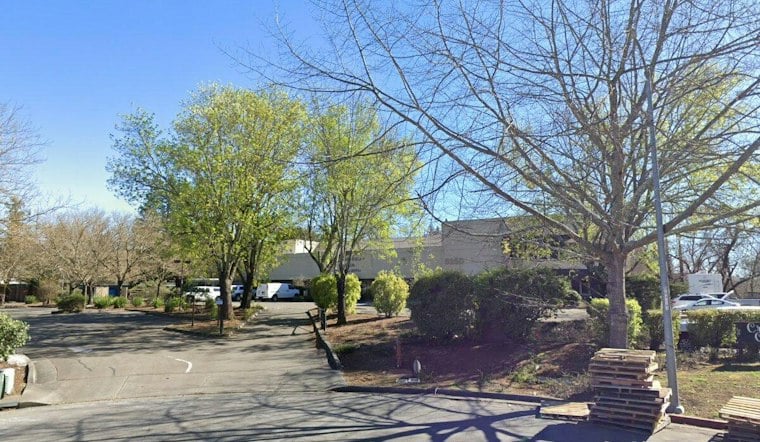
According to The Press Democrat, the museum was originally located at San Francisco's Presidio before relocating to Aero Drive in Larkfield in 2001, where it now occupies a 24,000-square-foot space situated on the ancestral homelands of six California tribes. Tia Pioche welcomed guests at the gala, and Justin Pioche provided the first course of the evening, the paper reported. The museum, open weekdays from noon to 4 p.m., aims to inform, honor and amplify knowledge of and connections within California's Indigenous groups, serving as a local educational hub with exhibits and programs supporting Native youth, elders, artists and culture-bearers in sharing Native perspectives with the broader community.
Three Decades of Cultural Stewardship
The center's roots stretch back to 1996, when it was founded to portray California Indian history from an Indigenous perspective and safeguard native cultural property, according to the Association of Tribal Archives, Libraries, and Museums. Executive Director Nicole Lim, who is of Pomo ancestry, has worked with the organization since its founding and received the association's national 2024 Leadership Award for her work in Indigenous cultural preservation and educational advocacy. Lim holds a law degree and also works with the National Indian Justice Center, per the same organization's account.
The museum's programming has repeatedly responded to crisis in the North Bay. In 2018, it created the Healing Through Cultural Arts program in the wake of the devastating October 2017 wildfires that tore through Sonoma County, offering traditional arts workshops to help tribal members process trauma and replace lost regalia and baskets, the association notes. More recently, the center launched its Resilient Native Generations Project, installing solar power and a 72-hour battery backup system planned to make the Larkfield facility a community resiliency hub during power shutoffs and wildfire emergencies. The solar system became operational in 2021, but the battery, installed in 2023, was still awaiting interconnection, with commissioning anticipated in spring 2025, according to the Clean Energy Group.
Youth Programs Tackle Food Sovereignty
Youth engagement has also been central to the center's mission. Through its Tribal Youth Ambassadors program, launched in 2010, local Pomo and Miwok youth partnered with Native chef Crystal Wahpepah in 2016 to develop Acorn Bites, an acorn-based protein snack meant to revitalize traditional diets and support Native food sovereignty, according to the Newman's Own Foundation. Acorns historically served as a primary nutrient-dense staple for California tribes, the foundation notes.
Shaping Statewide Education Policy
Beyond Sonoma County, the center has helped shape how California teaches Native history. It co-developed the 7 Essential Understandings for California Indian History and Culture, a framework adapted from Montana's Indian Education for All initiative and offered as a resource to prepare educators for forthcoming California model curricula and promote accurate, non-monolithic instruction on tribal sovereignty, according to the Redbud Resource Group.
That framework dovetails with state efforts to include Native perspectives in education. A law signed in September 2022 established the California Indian Education Act; a 2022 report from PBS SoCal identified Assemblymember James C. Ramos as the Legislature's only Native American member at the time. The act encourages local school districts to form task forces with tribes to develop accurate regional history curricula and address student achievement gaps, according to the California Department of Education. Task force reports are submitted annually to the state education department.
The Stakes for Native Students
The push for culturally grounded curricula highlights the importance of educational equity for Indigenous youth.
California is home to Native American communities across the state. The state is also home to at least 109 federally recognized tribes. For an institution that started three decades ago in a borrowed corner of the Presidio, Saturday's gathering at Balletto Vineyards marked how far that mission has traveled — and how much of California's Native education landscape now bears its fingerprints.


