

























































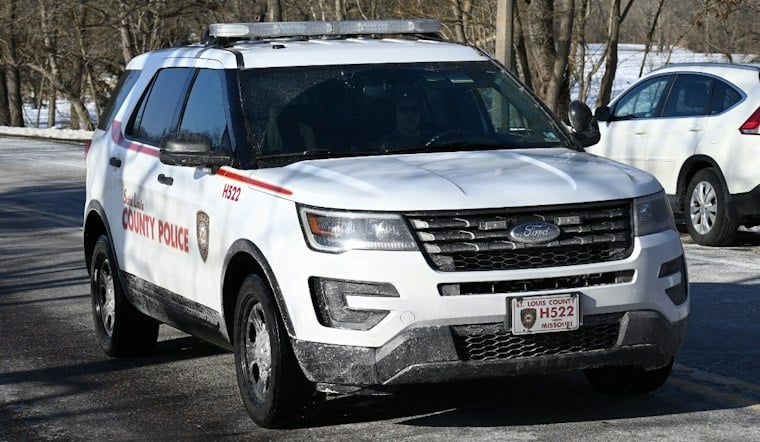
St. Louis County Executive Sam Page ordered an audit of automated license plate readers on county rights-of-way or county property, along with a review of procedures for authorizing installations and how the technology is used in the county. The order lands as county police separately reassess their own department policies for the cameras, part of a broader reckoning playing out across the region and the state over who watches the watchers.
Page signed the executive order Friday, and it takes effect immediately, according to FOX 2. The order directs the St. Louis County Department of Transportation and Public Works to audit cameras, including license plate readers, located within county rights-of-way or on county property, and to review the procedures used to authorize new installations in the first place. The department will also review written agreements between the county police department, municipalities and other political subdivisions that operate or maintain the technology on county property.
Page framed the review around public trust in the technology. “Technology can be an important tool for law enforcement, but the public deserves to know that it is being used responsibly and for legitimate public safety purposes,” he said, according to the outlet's reporting. The county executive said the effort focuses on public safety, accountability and protecting residents' privacy, and that it's meant to ensure the systems are used only for official government and law enforcement purposes — not for unauthorized personal, private, political or other non-governmental purposes.
Police Policies Under Separate Review
Alongside the county-property audit, the St. Louis County Board of Police Commissioners and the St. Louis County Police Department were asked to review their existing license plate reader policies and procedures. The board and department will consider revisions that establish clear requirements for appropriate use of the technology going forward. As stltoday.com reported, county police are reviewing their department's policies for the cameras amid what the outlet described as a nationwide uproar over Flock cameras and similar technology.
The St. Louis County Police Department has used mobile license plate reader technology since 2017, per reporting from FOX 2, which noted the department uses Genetec readers and also shares data through Vigilant Solutions' LEARN system. The cameras can alert officers when a vehicle tied to a stolen-vehicle case, a missing-person case or another law enforcement alert passes by, even as scrutiny of the broader technology intensifies.
A Region Already Blanketed With Cameras
The scale of camera coverage across the metro area helps explain why the review is drawing attention now. The crowdsourced DeFlock map shows between 1,400 and 1,500 automated license plate readers across the greater St. Louis area, with almost 70% identified as Flock Safety devices, according to the same FOX 2 report — though that count comes from a public mapping project rather than an official inventory.
Those concerns aren't unique to St. Louis County. Flock Safety says its cameras scan 20 billion plates monthly across every state except Alaska, according to St. Louis Public Radio, and the company announced in August that it was cutting its default data-retention period from 30 days down to seven. The Electronic Frontier Foundation warns that stored plate-reader data, aggregated over time, can reveal a vehicle's historical travel patterns and paint an intimate portrait of a driver's life — potentially chilling activity protected by the First Amendment.
Missouri's New Statewide Guardrails
The county-level review follows action at the state level. Missouri Gov. Mike Kehoe signed Executive Order 26-18, establishing what the Missouri Governor's Office called strict safeguards on how license plate reader technology can be used statewide, including limits on data retention, commercialization and permissible uses.
Other jurisdictions illustrate just how much retention rules can vary. Iowa's only law on the technology caps data retention at 30 days, St. Louis Public Radio reported, while New Hampshire requires that data be deleted after just three minutes, with some exceptions.
It remains unclear whether St. Louis County's review will lead to camera removals, new written policies or other enforcement steps, since the county has not detailed what outcomes the audit could produce. For now, the order simply sets the review in motion — auditing what's already on county property, scrutinizing how it got there, and asking police to spell out, in writing, what counts as appropriate use.




