

























































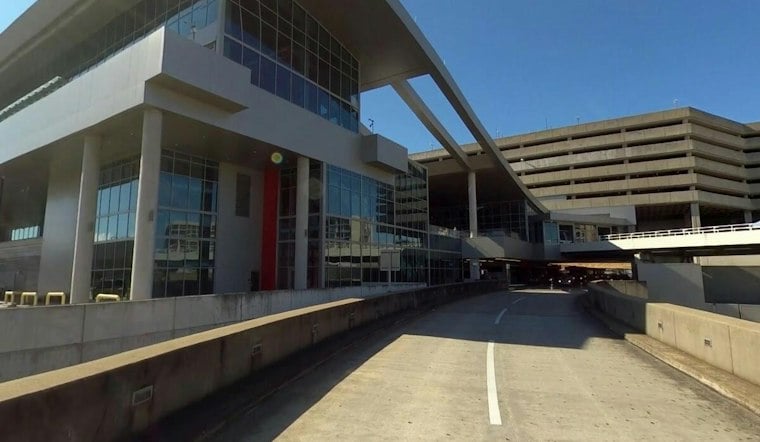
Tampa International Airport is putting up a temporary nine-foot flood barrier around two of its airfield electrical vaults near Airside A, a $1.9 million project meant to keep the lights on after the next major hurricane. The vaults house the machinery that powers lighting across the airfield, and airport officials say flooding there could seriously disrupt operations. The system is designed to hold back storm surge from hurricanes rated Category 3 or stronger.
According to Tampa International Airport, the project includes foundations for the barrier, electrical and drainage improvements, fencing and pumps. The Hillsborough County Aviation Authority Board picked H.L. Pruitt Corp. as the construction contractor at its August 2025 meeting, and the full cost of the work and materials is being covered through the airport's Capital Budget. Once installed, the barrier panels won't sit in place year-round — they can be stored until a storm threatens, then put up around the vaults by a contracted emergency response team in roughly eight to 12 hours, the airport says.
Why the Vaults Matter So Much
Protecting these two vaults isn't just about avoiding a mess — airport officials say it's central to how quickly Tampa International can reopen after a hurricane. Per the same airport statement, keeping the electrical equipment dry is important to helping the airport restart operations following a major storm. The barrier is rated to protect the buildings up to Category 4 storm conditions, giving the airport a wider safety margin than a bare Category 3 threshold might suggest.
The push for hardened infrastructure fits into a broader pattern across Florida this hurricane season, as airports throughout the region weigh their own exposure to storm surge, according to mysuncoast.com. Not every airport in the area sees the same risk. Sarasota Bradenton International Airport has said it sits roughly 30 feet above mean sea level and hasn't experienced flooding severe enough to justify similar barriers — the outlet reports that hurricanes Helene and Milton left only light, quickly draining flooding on some of its ramp surfaces.
A Model Borrowed From a Hospital Across Town
Tampa isn't inventing this approach from scratch. Tampa General Hospital already relies on a nine-foot-high, 1,000-foot-long AquaFence wrapped around its entire Davis Islands campus, built to hold back a 15-foot storm surge from a direct Category 3 hit, according to Fox 13 News. Setting that hospital wall up is no small task — the station reports it takes 60 people and three full days to erect, and the hospital paid around $1 million for the system when it was first deployed during the 2021 hurricane season. One social media post from a project contributor on LinkedIn credited the AquaFence with being critical for Tampa General during Hurricane Helene in September 2024, according to a LinkedIn post from Eric Caplan.
Similar flood-barrier technology is already protecting other major aviation hubs. The Massachusetts Port Authority selected AquaFence FloodWall barriers to shield critical utility sites, including Boston Logan International Airport, from coastal flooding, and crews there typically mobilize to install the barriers 24 to 48 hours before an expected coastal storm or hurricane, per AquaFence's own account of the Massport project.
Long-Term Planning Beyond a Single Storm
The Tampa airport project reflects months of groundwork rather than a rushed reaction to a single storm. A LinkedIn post from a contributor involved in the effort described the work progressing from an initial planning and risk-assessment phase, through storm-surge modeling, funding and design, and now into construction — a sequence that underscores how deliberately the barrier was engineered for this specific site rather than pulled off a shelf.
For now, the vaults near Airside A are the focus, with the nine-foot barrier meant to buy the airport time and protect equipment that, once damaged, could be costly and slow to replace. Whether other airports across Florida eventually follow suit with their own flood-barrier systems remains to be seen, but Tampa International's project offers a concrete example of how one piece of critical infrastructure is being fortified against the kind of storm surge that has increasingly tested the region's airports and hospitals alike.





