

























































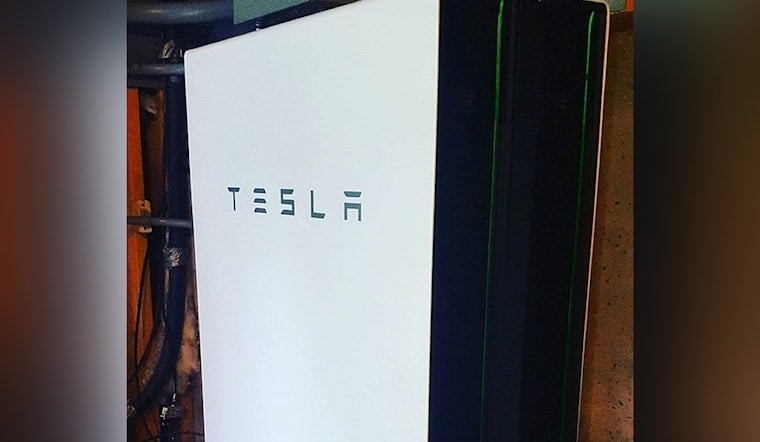
A discarded Tesla wall battery ignited trash inside a Republic Services garbage truck near Gardenvine Avenue and Gingerblossom Drive in Citrus Heights, prompting crews to dump the smoking load onto the street just after 3 p.m. Firefighters extinguished the blaze and no injuries were reported.
Metro Fire crews responded to the scene, according to The Sacramento Bee, whose local reporter Darrell Smith covered the incident. The fire started just after 3 p.m., per the Sacramento Metropolitan Fire District. Dumping the smoldering trash directly onto pavement is standard practice for waste haulers like Republic Services, whose crews are trained to discharge a suspected hopper fire onto clear street surface so firefighters can knock down the flames before a compactor truck worth hundreds of thousands of dollars is destroyed, according to Republic Services safety protocols.
The Citrus Heights fire fits a pattern regional fire officials have been sounding alarms about all year. In Roseville, public safety video released in May showed a lithium-ion battery rapidly igniting after being crushed inside a garbage truck — the fourth such fire the city logged in 2026, according to CBS News Sacramento. Sacramento Fire Department officials warned at the time that crushing lithium-ion batteries inside a truck's compactor triggers rapid thermal runaway, and that moisture can turn the off-gassed chemicals into acid, creating severe chemical burn and inhalation hazards for responding crews.
Why a Tesla Battery Never Belonged in the Trash
The battery involved in the Citrus Heights fire was a Tesla wall unit, a category of home energy storage hardware that typically weighs between 250 and 310 pounds and holds 13.5 kWh of energy capacity, according to Tesla's own product specifications. That scale of lithium battery chemistry is classified as hazardous universal waste requiring professional decommissioning and specialized recycling, not curbside pickup.
Citrus Heights municipal rules explicitly bar residents from placing rechargeable lithium-ion batteries in regular trash or recycling carts. The city instructs homeowners to tape battery terminals and drop them off at an approved Household Hazardous Waste facility instead. Sacramento County operates one such site, the North Area Recovery Station in North Highlands, which processed more than 1,200 tons of waste and recyclables per day from nearly 690 vehicles in 2025 and runs a dedicated hazardous waste facility built to intercept batteries before they reach the municipal waste stream, according to Sacramento County Waste Management & Recycling.
A Statewide and National Fire Trend
The Citrus Heights incident is a symptom of a much larger problem. CalRecycle estimates that roughly 7,294 tons of batteries are improperly dumped in California landfills every year, making discarded batteries the single leading cause of fires at solid waste facilities statewide. The National Waste and Recycling Association has reported more than 5,000 fires occur annually at U.S. recycling facilities, with improperly discarded lithium-ion batteries identified as a primary driver of that increase, per Resource Recycling.
Federal regulators have documented the same pattern nationally. An Environmental Protection Agency study found at least 240 lithium-ion battery fires across 64 municipal waste facilities, recycling centers and haulers between 2013 and 2020, while cautioning that official counts significantly underreport the true number of incidents. California lawmakers have moved to address the surge through the Responsible Battery Recycling Act of 2022 and its companion law, which require battery producers to fund stewardship collection networks; a new consumer e-waste fee that took effect January 1, 2026, expanded point-of-sale recycling surcharges to battery-embedded products in an effort to curb illegal landfill dumping, according to CalMatters.
Similar fires have struck closer to home in recent weeks. A Hoodline report in July detailed how trash trucks kept igniting across Northern California as crushed batteries turned dangerously hot, while a separate incident in August forced a hazmat response and road closures after a battery transport rig caught fire in South Sacramento.



.jpg)